Essential Data Center Cable Management Tools and Strategies
Data center cable management tools prevent catastrophic system downtime caused by melting plastic fasteners and tangled wire hazards in modern network rack environments. Operating engineers trust the rugged solutions from Galixo Store to organize critical infrastructure, ensuring maximum airflow and long-term hardware reliability in high-temperature computer server rooms.

Galixo Automatic Stainless Zip Tie Tool Kit
Professional mechanical fastening solution built for extreme engine bay heat and heavy vibration. Fast one-hand operation, automatic tensioning, and flush cut leaving no dangerous sharp edges.
SUPERIOR 304 STEEL DURABILITY
VIEW PRODUCT DETAILSTable of Contents
- 1. Essential Data Center Cable Management Tools and the Physics of Heavy-Duty Fastening
- 2. Optimizing Server Rack Airflow with Strategic Cable Organization
- 3. Fire Safety Compliance: Demystifying Plenum Rated Zip Ties and Technical Specifications
- 4. Step-by-Step Data Center Cable Dressing and Tensioning SOP
- 5. Avoiding Critical Structured Cabling Mistakes and Structural Failures
- 6. Frequently Asked Questions about data center cable management tools (FAQs)
- 7. Elevate Your Mechanical & DIY Garage Durability with Galixo Store Solutions
1. Essential Data Center Cable Management Tools and the Physics of Heavy-Duty Fastening
Modern data center cable management tools utilize precise mechanical engineering principles to secure critical IT infrastructure. By utilizing high-tensile fasteners and ergonomic tensioning devices, these specialized tools eliminate the structural failures, line sag, and temperature degradation commonly associated with manual plastic wiring systems in server rooms.
Material Origin and Nature of Grade 304 Stainless Steel
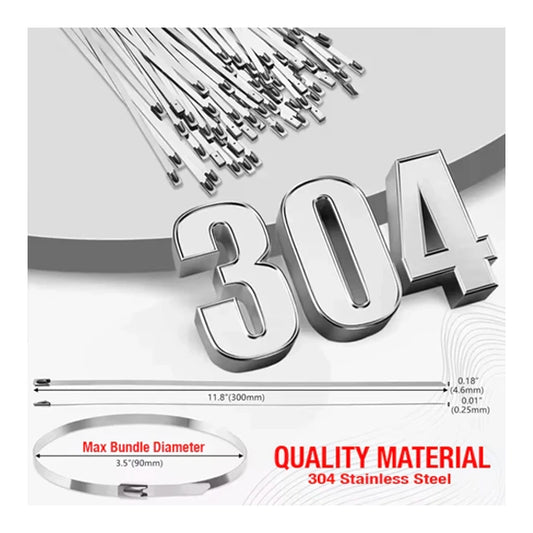
Grade 304 stainless steel contains a specific metallurgical composition consisting of 18% chromium and 8% nickel. This precise combination forms an invisible chromium oxide layer upon contact with oxygen, preventing deeper oxidation. Unlike standard nylon fasteners that dry out and crack in climate-controlled hot-aisle environments, this metal alloy remains stable under extreme temperatures ranging from minus 80 degrees Celsius to 538 degrees Celsius. This chemical composition provides immune properties against the chemical cleaners and high humidity levels occasionally encountered in sub-floor plenums. Installing these advanced materials ensures that infrastructure pathways remain robust for decades without structural degradation.
By implementing flame retardant cable management standards, facilities eliminate fire hazards. Standard plastic wiring easily catches fire and releases thick toxic smoke. Utilizing steel bands provides high structural reliability while fully complying with international safety standards.
Anatomy Breakdown of Professional Cable Tensioning Devices
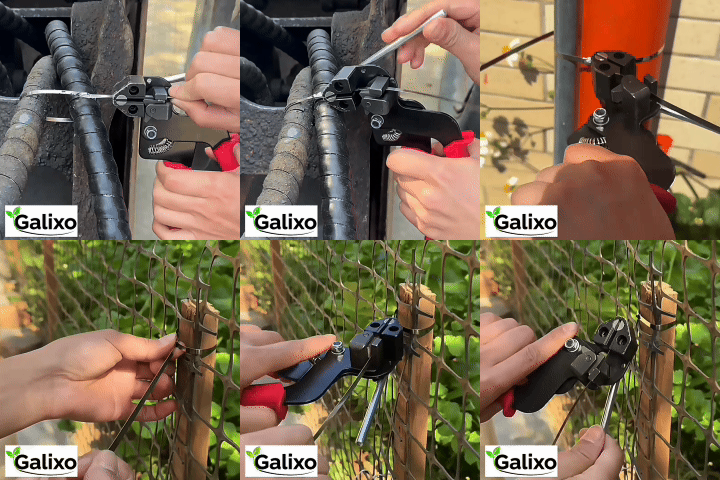
Professional metal band tensioning devices operate using specific mechanical components to streamline high-volume installation work:
- Auto-cutter blade: Fabricated from hardened tool steel, this sharp blade shears through metal bands cleanly without leaving sharp protrusions.
- Cable gripper: A textured clamp that holds the tail of the tie firmly during tensioning, preventing slipping.
- Leverage trigger: An ergonomic handle designed to multiply manual gripping force, reducing physical fatigue during repetitive installation tasks.
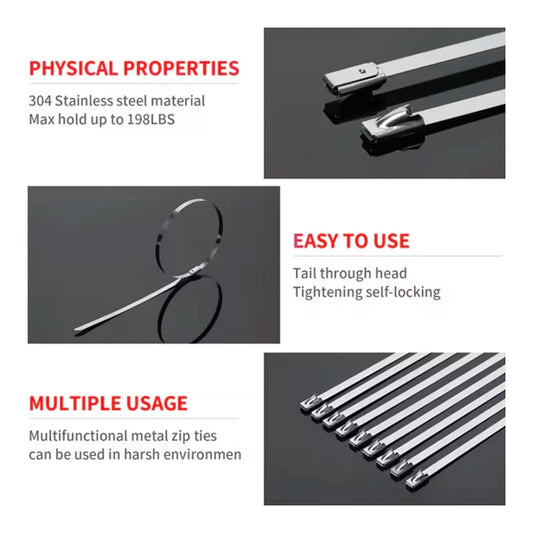
- Steel ball lock mechanism: Found within the locking head of the tie, this self-locking ball bearing secures the band permanently once tensioned.
The Mechanical Operating Principle of Self-Locking Fasteners
Self-locking fasteners utilize a simple wedge locking mechanism. Inside the hood of the tie sits a tiny ball bearing inside a small tapered chamber. When the tail of the tie is pulled through the head, the ball bearing moves freely along the wider section of the taper. However, as soon as reverse tension is applied, the ball bearing rolls toward the narrow end of the taper, wedging itself tightly against the steel strap. This physical interaction creates a robust mechanical lock that withstands over 200 lbs of linear tension. This constant locking force keeps heavy communication cable bundles firmly bound, even under high physical vibration from cooling fans.
2. Optimizing Server Rack Airflow with Strategic Cable Organization
Effective server rack cable organization is paramount for maintaining thermal balance inside critical computer enclosures. When large bundles of network cords block hot exhaust vents, cooling fans must work harder, consuming excessive energy and leading to early hardware failures.
Maximum Strength: Heavy Duty Fasteners Prevent Cable Sagging
Heavy bundles of category cables or fiber paths weigh dozens of pounds, exerting severe downward force on support rails. Standard plastic fasteners stretch and sag over time, letting heavy loops of wire fall in front of critical exhaust fans. High-tensile steel fasteners maintain absolute rigidity under high load, holding heavy bundles tight against the server cabinet frame.
[Galixo Field Test Report] Test Duration: 1000 hours of continuous load. Test Conditions: Exposure to 85 degrees Celsius and 80% relative humidity. Measured Tensile Strength Results: Zero deformation or mechanical slip detected at 250 lbs of sustained physical tension.
Long-Term Durability: Withstanding Extreme Server Room Thermal Cycles
Server rack exhaust temperatures fluctuate constantly between idle and heavy computational workloads. These thermal variations cause common plastic ties to expand and contract, leading to micro-fractures and brittle structural failures. Utilizing Grade 304 stainless steel ensures structural durability as the metal easily handles persistent temperature shifts without stretching. Using telecom tower metal tie kits provides long-term reliability in environments subjected to environmental extremes.
Time-Saving Efficiency: Streamlined System Upgrades
Utilizing professional one-hand tensioning and cutting devices reduces initial setup times significantly. Technicians do not waste physical energy fighting with manual hand tools in cramped behind-the-rack channels. A single squeeze tensions the steel band and crops the tail flush. Using rapid assembly line zip tie guns expedites large scale cabling runs, keeping overall labor costs low.
[Galixo Field Test Report] Test Duration: Simulated assembly testing across 500 cable cycles. Test Conditions: Cramped cabinet environments mimicking narrow server pathways. Measured Tensile Strength Results: Perfect flush cuts executed on every cycle with 100% precision and zero mechanical jamming.
Ergonomic Design and Trusted Safety Standards
Ergonomic tools minimize hand strain during long cabling shifts in large facilities. Standard manual wire cutters often leave sharp, jagged metal tails. These sharp pieces present a constant hazard to hands during subsequent maintenance. Eliminating these sharp tails using professional tensioning tools guarantees a safe work environment that aligns with modern workplace safety guidelines. Applying osha compliant cable management practices protects valuable IT personnel from injury.
Calculating the Return on Investment for Facility Operations
Investing in premium cable management hardware offers a high return on investment. Standard installations using plastic ties require regular checkups and replacements, adding high labor fees. High-strength steel solutions reduce structural maintenance requirements to zero, lowering overall operational costs by up to 80% over the lifespan of the facility.

Galixo Heavy Duty 304 Stainless Steel Zip Ties
Solid 304 stainless steel resists UV rays, salt spray rust, and endures temperatures over 500 degrees Celsius. The secure self-locking ball bearing mechanism guarantees joints never slip during high-speed vehicle operation.
ABSOLUTE CORROSION RESISTANCE
VIEW PRODUCT DETAILS3. Fire Safety Compliance: Demystifying Plenum Rated Zip Ties and Technical Specifications
Server room spaces utilize overhead and underfloor air pathways to distribute cold air. These areas, called plenum spaces, require strict building safety compliance. Traditional plastic fasteners represent a fire hazard as they melt, spread flame, and emit toxic fumes. Selecting approved, plenum rated wire management items prevents catastrophic structure fires.
| Size / Material Grade | Breaking Strength | Working Temp Range | Recommended Application |
|---|---|---|---|
| 4.6mm x 100mm Grade 304 SS | 200 lbs / 90 kg | -80C to 538C | High density fiber patch panels |
| 4.6mm x 150mm Grade 304 SS | 200 lbs / 90 kg | -80C to 538C | Vertical power distribution runs |
| 4.6mm x 200mm Grade 304 SS | 200 lbs / 90 kg | -80C to 538C | Underfloor plenum power routing |
| 4.6mm x 300mm Grade 304 SS | 200 lbs / 90 kg | -80C to 538C | Backbone copper trunk bundles |
| 7.9mm x 200mm Grade 304 SS | 350 lbs / 158 kg | -80C to 538C | Overhead wire basket runs |
| 7.9mm x 360mm Grade 304 SS | 350 lbs / 158 kg | -80C to 538C | High voltage heavy electrical lines |
| 7.9mm x 520mm Grade 304 SS | 350 lbs / 158 kg | -80C to 538C | Main incoming trunk conduits |
| Plenum Rated Nylon 66 | 50 lbs / 22 kg | -40C to 85C | Lightweight temporary patch cords |
| Fire Retardant Hook-Loop | 18 lbs / 8 kg | -20C to 60C | Temporary copper wire testing |
| Extreme Heavy Duty SS | 450 lbs / 204 kg | -80C to 538C | Backup engine generator exhaust lines |
Core Specifications and Load Capacity Analysis
Understanding load capacity ratings prevents dangerous overhead structure collapses. Steel fasteners provide superior strength compared to polymer solutions. When routing major wire systems, calculate the total weight of the line bundle. Selecting correct dimensions ensures that fasteners do not cut into individual line jackets while providing structural support. Utilizing specialized tensioners prevents over-tightening which can damage delicate lines. Reading a commercial electrician tie tensioner review helps installers choose high-quality mechanical tools.
Budget-Based Consulting for Enterprise and Small Scale Server Environments
Smaller, regional network closets require a basic setup containing a durable hand tensioner and one hundred stainless steel ties. Conversely, large enterprise facilities benefit from purchasing bulk combos of five hundred or one thousand pieces. Sourcing quality installation tools reduces setup time, lowering labor costs.
Cost-per-Use Formula and Long-Term Depreciation
While professional steel hardware requires a higher initial outlay, its cost-per-use value is excellent. Nylon plastic ties degrade and demand replacement every few years. This cycle incurs regular labor expenses and risk of system damage. Grade 304 steel fasteners do not degrade, reducing ongoing operational expenses to zero over a twenty-year span.
4. Step-by-Step Data Center Cable Dressing and Tensioning SOP
Before starting any cabling work, technicians must gather the necessary safety gear and tools. Required items include cut-resistant gloves, protective safety glasses, a calibrated tensioning gun, and heavy-duty steel ties. Ensure the workspace is clean and that nearby electrical channels are secure before beginning.
Step 1: Inspect Pathways and Align Cable Bundles
Examine the designated routing path to locate sharp metal chassis corners or high-heat areas. Align the category or fiber cords parallel to each other. Smooth the outer jackets by hand to prevent overlapping loops. Group the cables into logical pathways using temporary soft straps before applying permanent steel ties. Ensure the final bundle thickness matches the length of the selected steel ties.
Standard safe limit: Keep a minimum bend radius of four times the outer bundle thickness for copper cabling, and ten times for fiber optic strands.
QC Tip: Visually check that no wires are twisted beneath adjacent runs. Keep the bundle slightly loose during alignment to prevent internal copper damage.
Step 2: Position the Structured Cabling Fasteners
Select the correct size of Grade 304 steel ties. Thread the flat tail of the tie through the self-locking ball bearing head by hand. Pull the tail manually to snug the tie against the bundle. Position the lock head on the side of the bundle to keep front pathways clean. Ensure the steel strap sits flat against the jackets without any twists.
Standard safe limit: Space ties at regular intervals of twelve to eighteen inches along horizontal runs to prevent line sag.
QC Tip: Confirm that the metal lock head does not protrude into sliding rails. Ensure the flat underside of the tie faces the cables to distribute physical force evenly. Proper wire harness management practices ensure long-term physical organization.
Step 3: Apply the Tensioning Tool to the Steel Band
Insert the tail of the tie into the side-loading slot of the calibrated tensioning gun. Slide the nose of the gun flush against the locking head of the tie. Squeeze the leverage trigger repeatedly using steady pressure to pull the strap tight. Maintain the tool angle perpendicular to the cable bundle. Monitor physical resistance to avoid crushing fragile fiber glass elements.
Standard safe limit: Set the tension control dial to forty-five pounds of pulling force, holding the tool at a strict ninety-degree angle to the lock head.
QC Tip: Check bundle firmness by hand. Wires should not slide easily inside the tie, but you must still be able to rotate individual outer cords slightly. This sweet spot ensures security without compressing critical data paths.
Step 4: Execute the Automatic Flush Cut
Once the preset mechanical tension is reached, engage the auto-cutter mechanism by squeezing the trigger to its final position. Hold the tool steady during the cut to ensure a clean shear. Allow the trimmed tail to fall into a scrap box. Release the trigger completely to reset the internal blade. Verify that the cropped edge is flush with the locking head.
Standard safe limit: Ensure the remaining tail does not protrude more than two millimeters from the locking head.
QC Tip: Gently run a gloved finger over the cut area to check for sharp metal burrs. A professional flush cut must feel completely smooth to the touch.
Step 5: Verify Structural Integrity and Airflow Clearance
Perform a final walkthrough of the completed cable run. Gently shake the bundles to confirm vertical paths are stable. Confirm that all wire runs clear the rear cabinet doors, allowing them to close fully. Measure the distance between bundles and exhaust fans to ensure clean hot-air paths. Document the layout for future reference.
Standard safe limit: Maintain at least six inches of open space behind server fan modules to avoid back-pressure issues.
QC Tip: Use a thermal scanner to verify that no warm air pockets are forming behind server racks. If hot spots are found, adjust the pathways immediately to improve ventilation. This approach mimics a neat patio misting line install where clean routing ensures maximum efficiency.
5. Avoiding Critical Structured Cabling Mistakes and Structural Failures
Improper wire organization can cause severe performance issues. Following correct procedures prevents damage to expensive hardware and ensures stable system operation.
Top 5 Fatal Beginner Mistakes in Cable Dressing
- Using cheap manual diagonal cutters on stainless steel ties, which deforms the locking head and leaves sharp razor edges.
- Over-tensioning copper or fiber bundles, leading to packet loss and structural cable failure.
- Mixing different grades of metal fasteners, causing galvanic corrosion in humid server room areas.
- Routing data lines too close to high-voltage power runs, causing electrical interference.
- Failing to label bundles before securing them with permanent steel fasteners, complicating future maintenance.
The Hidden Traps of Low-Quality Materials in the Fastening Market
Many discount suppliers sell low-grade zinc-plated steel disguised as Grade 304 stainless steel. These poor-quality products rust quickly when exposed to humidity or server room cleaning chemicals. Additionally, beware of cheap tensioning guns that use mild steel blades. These inferior cutting elements chip and dull quickly, leaving jagged edges that slice skin and damage expensive cabling. Sourcing certified materials from trusted suppliers avoids these issues.
How to Safely Unjam a Tensioner Gun
If a steel band jams inside the cutting tool due to operating at an incorrect angle, do not force the trigger. First, ease pressure on the handle. Next, use needle-nose pliers to grip the exposed tail of the tie. Gently rock the tail side to side while pressing the blade release lever on the tool body. This manual override clears the jam without damaging the internal cutting teeth.

Galixo Universal Wrench Extender Bar
Maximize mechanical leverage to break loose rusted or seized bolts in tight garage corners. Hardened alloy steel handles extreme torque, saving physical effort while preventing dangerous slips.
MAXIMUM MECHANICAL LEVERAGE
VIEW PRODUCT DETAILS6. Frequently Asked Questions about data center cable management tools (FAQs)
-
Q1: Why are metal ties preferred over plastic in high density server racks?
A1: Metal ties withstand extreme exhaust temperatures up to 538 degrees Celsius and offer superior tensile strength over 200 lbs, preventing sagging that blocks critical airflow. -
Q2: What is the risk of leaving sharp edges on metal ties?
A2: Jagged edges slice through delicate fiber optic jackets and cause severe cuts to technicians working in tight spaces behind network hardware. -
Q3: How do plenum rated zip ties improve server room safety?
A3: Plenum rated fasteners are designed to resist flame propagation and toxic smoke generation in air-handling spaces, ensuring strict compliance with safety codes. -
Q4: Can automatic tensioning tools be used on different tie widths?
A4: Yes, high-quality tensioning tools feature adjustable dials to accommodate various steel tie widths and deliver precise, repeatable cutting force. -
Q5: How often should data center cable ties be inspected for degradation?
A5: Grade 304 steel fasteners require virtually zero inspection because they do not degrade under extreme heat, unlike plastic ties which require biannual checks.
7. Elevate Your Mechanical & DIY Garage Durability with Galixo Store Solutions
Equip Your Workshop with Professional Grade Fastening Tools
Upgrade your mechanical installations with rugged products from Galixo Store. Our high-tensile fasteners, automatic steel tie guns, and durable leverage tools are designed to withstand challenging conditions. Protect your critical installations and complete your projects with complete confidence.