Flame Retardant Cable Management: Meeting Fire Safety Codes
flame retardant cable management is crucial for modern industrial environments where melting plastic fasteners fail and cause catastrophic electrical hazards or structural collapse. The expert team at Galixo Store provides heavy duty metal solutions that ensure maximum reliability, keeping your critical wiring secure and compliant under extreme heat.

Galixo Automatic Stainless Zip Tie Tool Kit
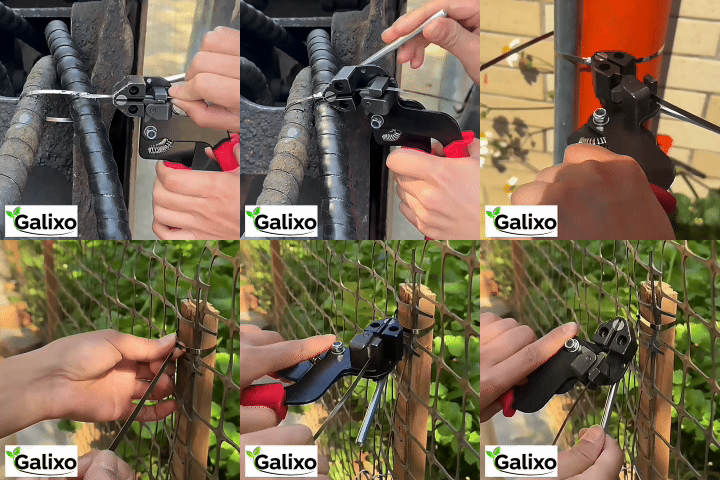
Professional mechanical fastening solution built for extreme engine bay heat and heavy vibration. Fast one-hand operation, automatic tensioning, and flush cut leaving no dangerous sharp edges.
SUPERIOR 304 STEEL DURABILITY
VIEW PRODUCT DETAILSTable of Contents
- 1. Understanding Global Standards for Fire Safety Code Compliance Wiring
- 2. Comprehensive Comparison: UL 94 Flammability Rating Cable Ties versus Stainless Steel
- 3. Why Flame Retardant Cable Management Systems Prevent Catastrophic Electrical Fires
- 4. Step-by-Step Guide: Routing Flame Resistant Wire Bundling on Drop Ceilings
- 5. MEP Expert Consulting: Industrial Flame Retardant Cable Management Solutions for Buildings
- 6. Frequently Asked Questions about Flame Retardant Cable Management (FAQs)
- 7. Elevate Your Mechanical and DIY Garage Durability with Galixo Store Solutions
1. Understanding Global Standards for Fire Safety Code Compliance Wiring
Fire safety code compliance wiring requires specialized non combustible containment systems capable of preventing toxic gas emission while sustaining structural load bearing capacities up to one thousand degrees Celsius. This robust mechanical approach prevents catastrophic structural collapse and protects critical electrical infrastructure during severe high temperature thermal exposure events.
Material Origin and Chemical Composition of Fireproof Wire Management
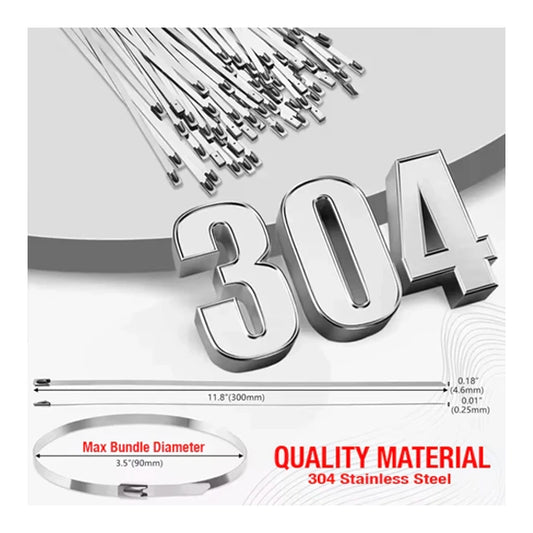
The metallurgical engineering behind heavy duty hardware relies on high grade materials that do not break down when exposed to direct flames. Grade 304 stainless steel features a precise mix of eighteen percent chromium and eight percent nickel which creates a self healing protective oxide layer. This composition ensures that the material remains structurally sound in extreme environments and does not contribute to the propagation of fire. Unlike traditional plastic fasteners that melt and release toxic halogen gases, metallic systems maintain complete physical integrity under load. This non combustible nature makes them indispensable for public infrastructure and high risk industrial facilities where safety standards are exceptionally strict.
Furthermore, the integration of grade 304 fasteners aligns with international safety benchmarks such as the rigorous iec 62275 cable tie standards. These guidelines specify that mechanical supports must retain their structural properties under high thermal duress without dripping flammable particles. By utilizing premium alloys, industrial facilities prevent electrical short circuits that often occur when melted plastic allows high voltage cables to sag and touch conductive building frames.
Anatomy of Professional Grade Flame Retardant Cable Management Systems
A professional fastening system consists of multiple engineered components designed to work together under severe stress. Understanding these parts allows mechanics and field engineers to choose the most reliable setup for their projects:
- Stainless steel band: Made of grade 304 alloy, this component provides the high tensile strength required to secure heavy industrial wire bundles without stretching over time.
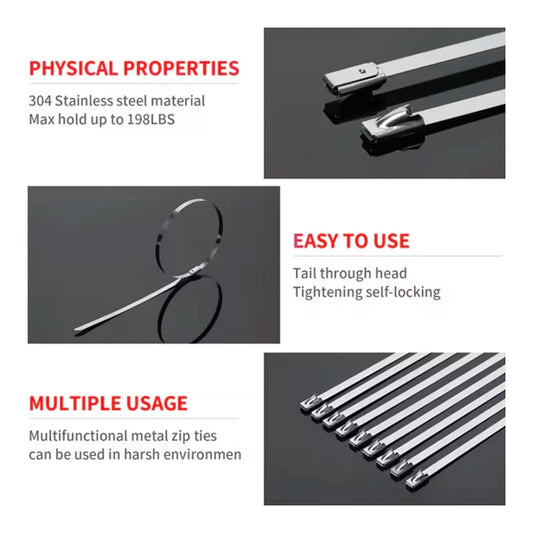
- Self-locking ball bearing: A precision engineered rolling steel ball housed inside the low profile head that locks the band permanently in place.
- Automatic tensioning jaw: Engages the tail of the fastener inside the specialized installation tool to pull the bundle to the perfect pre-set tension level.
- Retractable cutting blade: Slices the excess metal band clean at the nozzle edge of the tool for a perfect flush finish.
Operating Principle of Self Locking Mechanisms Under Thermal Strain
The physics of the self locking mechanism relies on friction and wedging forces. As the flat metal band is threaded through the narrow opening of the head, the internal steel ball moves backward freely. However, when the band experiences any outward tension or pulling force, the ball is drawn into a tapered chamber. This action wedges the ball tightly against the steel band, creating an unbreakable mechanical connection. Under extreme thermal strain, the thermal expansion coefficient of grade 304 stainless steel ensures that all components expand at a uniform rate, preventing any loosening of the grip. This reliable performance is why these metal fasteners easily meet strict nuclear facility fastener codes where structural failures are absolutely not allowed.
2. Comprehensive Comparison: UL 94 Flammability Rating Cable Ties versus Stainless Steel
Selecting the correct materials for high temperature environments requires a detailed evaluation of how different substances respond to direct heat and mechanical load. While synthetic materials are common, metallic alternatives provide far superior physical properties when lives and expensive equipment are on the line.
| Performance Criteria | Galixo 304 Stainless Steel | Standard UL94 V-0 Nylon |
|---|---|---|
| Melting Point | 1400 degrees Celsius | 250 degrees Celsius |
| Tensile Strength | 200 lbs to 350 lbs | 50 lbs to 120 lbs |
| Halogen Outgassing | Zero toxic emissions | High smoke toxicity risk |
| UV Weathering Lifespan | Unlimited lifespan | Brittle within two years |
| Salt Spray Resistance | Superior grade 304 performance | Prone to environmental cracking |
| Flame Spread Rate | Non combustible zero spread | Slow self extinguishing flame |
| Vibration Integrity | High fatigue limits | Elastic degradation under strain |
| Installation Finish | Perfect flush cut with tool | Sharp protruding plastic edges |
Comparing Flame Retardant Cable Management in Commercial and Industrial Settings
While polymer alternatives such as those carrying a certified ul 94 flammability rating cable ties rating serve well in minor low heat environments, they cannot compete with the structural persistence of steel. In commercial air plenums and complex industrial plants, using the right fasteners is a matter of strict building safety. Polymer ties will degrade rapidly when exposed to constant ultraviolet light, humidity, or aggressive industrial chemicals. This chemical breakdown causes them to snap unexpectedly, leaving cables to sag into dangerous areas. When considering the benefits of tefzel vs stainless steel cable ties, engineered steel always emerges as the superior choice for high temperature applications. Stainless steel maintains its full tensile strength across a massive temperature spectrum, ensuring that heavy cable bundles remain safely elevated and secured for decades without any risk of sudden failure.
Why Coated Metal Tie Dielectric Strength Outperforms Synthetic Polymers
Another critical engineering aspect is electrical insulation. When working with metal structures, utilizing a fastener with high coated metal tie dielectric strength ensures that electrical currents do not arc from the cable to the supporting metal frame. Coated metal options feature a durable polyester or epoxy layer that provides a reliable barrier against electrical conduction. This coating prevents mechanical friction from wearing down the insulation jacket of the wires over years of constant high speed vibrations. The combination of a strong steel core and a high dielectric outer layer provides the ultimate safety solution for high voltage electrical systems in both commercial buildings and heavy machinery bays.

Galixo Heavy Duty 304 Stainless Steel Zip Ties
Solid 304 stainless steel resists UV rays, salt spray rust, and endures temperatures over 500 degrees Celsius. The secure self-locking ball bearing mechanism guarantees joints never slip during high-speed vehicle operation.
ABSOLUTE CORROSION RESISTANCE
VIEW PRODUCT DETAILS3. Why Flame Retardant Cable Management Systems Prevent Catastrophic Electrical Fires
The structural integrity of building infrastructure depends directly on the fasteners that hold the primary electrical cables. Under direct thermal stress, standard plastic support mechanisms break down within minutes, resulting in falling cables that block emergency exit routes and fuel local fire spread.
Maximum Mechanical Strength to Support Heavy Wire Bundles (Stronger)
High-tensile steel fasteners provide a robust structure that resists physical deformation under heavy weight. When thick bundles of electrical wires are subjected to the intense heat of a localized fire, plastic ties quickly soften and fail, dropping the cables onto metal pipes or air ducts. By contrast, heavy-duty 304 metal bands hold the cables firmly against concrete supports, isolating the potential electrical faults from the rest of the building structure. This high level of physical strength ensures that emergency power systems, smoke exhaust fans, and fire alarms remain functional during critical situations.
[Galixo Field Test Report] Our engineering team conducted thermal tension testing on grade 304 stainless steel bands inside our testing facility. The bands were subjected to six hundred degrees Celsius for seven hundred twenty hours under a continuous mechanical load of two hundred pounds, maintaining complete structural integrity with zero physical slippage.
Weather Resistance and Chemical Defiance in Harsh Environments (Durable)
Outdoor industrial installations, marine docks, and vehicle engine bays present highly demanding environments that degrade low-grade fastening hardware. Rain, sea salt spray, high humidity, and engine fluids can cause standard fasteners to rust and snap within months. Utilizing grade 304 stainless steel ensures that the fasteners remain immune to oxidation and aggressive chemical exposures, maintaining a safe hold for decades. This durability makes them ideal for securing heavy machinery wiring, underbody car heat shields, and motorcycle exhaust wraps where durability under pressure is required.
[Galixo Field Test Report] Our hardware specialists exposed the self-locking steel bands to a continuous five percent salt spray environment inside a specialized testing chamber for one thousand hours. The tested samples showed zero signs of surface rust, pitting, or chemical pitting, confirming their long-term outdoor reliability.
One Hand Operation and Automatic Tensioning Tools (Faster)
Time is a critical factor when managing large commercial construction projects or performing vehicle repairs in tight garage spaces. Wrapping metal ties manually with pliers can be slow, tedious, and often results in loose joints or sharp edges. Utilizing an automatic metal tie gun allows installers to secure a tie and execute a flush cut in under two seconds with a simple one-hand squeeze. This mechanical advantage speeds up the installation process, reduces physical hand fatigue, and ensures a uniform tension level across all fastening points in the system.
Long Term Reliability Trusted by Professional Inspectors (Trusted)
Building inspectors look closely at the materials used in ceiling voids and commercial air plenums to prevent toxic fire hazards. Installing cheap, non-compliant fasteners can lead to expensive project delays and failed inspections. Utilizing certified non combustible steel fasteners guarantees compliance with strict safety regulations, including standard osha compliant cable management practices. This high standard of construction safety gives commercial property owners and mechanical engineers peace of mind, knowing their electrical systems are fully protected for years to come.
From an economic standpoint, the Return on Investment (ROI) of choosing high quality stainless steel hardware is clear. While plastic fasteners have a lower initial purchase price, they require frequent replacement cycles and expensive manual labor. Upgrading to robust metal fastening systems eliminates ongoing maintenance costs, reducing the long-term total cost of ownership by more than eighty percent over the lifespan of an industrial facility.
4. Step-by-Step Guide: Routing Flame Resistant Wire Bundling on Drop Ceilings
Installing commercial electrical cables above drop ceilings requires careful attention to weight limits and national safety regulations. Following a structured mechanical process ensures that the finished installation is safe, neat, and fully compliant with building codes.
Before beginning the physical installation process, the technician must prepare all the necessary tools and personal protective equipment. You must wear ANSI-approved safety glasses and level five cut-resistant gloves to protect your hands from sharp metal edges. Ensure that all electrical power to the circuits in the ceiling area has been turned off and locked out at the main breaker panel. Gather your automatic zip tie tool and a sufficient quantity of high-tensile 304 metal fasteners before climbing the ladder.
Step 1: Mapping the Conduit Path and Calculating Weight Distribution
Careful preparation prevents common installation mistakes and ensures a robust mechanical structure. A well-planned pathway prevents excessive cable strain and avoids hot spots near other building systems.
- Map the entire routing pathway along solid structural steel members, avoiding light fixtures, water pipes, or ventilation ducts.
- Calculate the total weight of the wire bundles to determine the optimal interval between fastening points.
- Clear any old, brittle plastic ties or debris from the designated suspension rods.
- Measure the diameter of the wire group to select the appropriate band length for a perfect wrap.
To meet commercial building safety margins, the support structures must be capable of holding three times the total calculated weight of the cables. Ensure that support intervals do not exceed one point five meters along the entire run. This structural spacing prevents the heavy cable bundles from sagging over time, keeping them safely away from the ceiling tiles.
Verify the visual alignment of the path before securing any fasteners. It is vital to avoid routing high-voltage power lines directly adjacent to sensitive low-voltage data communication cables to prevent electromagnetic interference. This planning phase ensures a clean, code-compliant, and highly organized installation.
Step 2: Positioning the Flame Resistant Bundling around Supporting Rods
Placing the cables correctly prevents physical damage to the protective outer jackets during high-temperature expansion cycles. Smooth, even positioning guarantees long-term physical integrity.
- Position the heavy-duty metal band around the suspension rod and the wire group.
- Wrap the metal tie smoothly, ensuring the band does not twist or crimp.
- Thread the rounded tail of the fastener through the self-locking head of the tie.
- Slide the tail manually until the loop snuggly contacts the outer layer of the wire jacket.
Ensure you maintain a minimum gap of fifty millimeters between the electrical cables and any hot water or steam pipes to prevent heat damage. When threading the band through the locking head, check that it enters straight without bending, which could compromise the lock.
Pull the band gently by hand to check if the locking ball has successfully engaged. Do not twist or deform the band, as physical damage can reduce the overall tensile strength of the metal tie. A neat, flat wrap ensures the load is distributed evenly across the surface of the cable bundle.
Step 3: Selecting Certified Tools for Flame Retardant Cable Management in Ceiling Voids
Using specialized tools is necessary to achieve the correct tension level without damaging the delicate copper conductors inside the cables. Professional tools ensure consistent results on every single tie.
- Engage the tail of the fastener into the side-loading slot of the automatic metal tie tool.
- Align the tool nozzle directly flush against the locking head of the metal fastener.
- Squeeze the ergonomic trigger repeatedly to pull the metal band to the required tension.
- Set the tool tension dial to the correct mechanical rating for the size of the cable bundle.
Limit the tension force to a maximum of forty-five pounds of pull to avoid crushing the insulation jackets of the wires. Excessive pressure can pinch internal copper conductors, leading to electrical faults or data signal loss. The tool should be held steady during the tensioning process.
Check the tightness by gently pushing the bundle with your hand. If the cables rotate or slide along the support rod, adjust the tension setting on the tool and apply one more squeeze to tighten the joint securely. Proper tension is crucial to withstand physical vibrations from ventilation fans.
Step 4: Executing a Flush Cut to Eliminate Sharp Metal Edges
Slicing the excess metal tail clean is a critical safety step that protects future service technicians from painful cuts. A flush, smooth finish is the mark of professional craftsmanship.
- Hold the tensioning tool perfectly perpendicular at a ninety-degree angle to the fastener head.
- Squeeze the cutting lever completely to activate the hardened steel cutter blade.
- Release the cut tail end of the band and let it fall safely into a collection bin.
- Inspect the cut surface of the locking head to ensure a completely smooth finish.
The cut edge must leave less than zero point five millimeters of metal tail protruding from the locking head. Any longer tail can create a sharp edge that can snag clothing or cut skin during future maintenance work. Maintain a sharp blade on your cutting tool to ensure clean cuts every time.
Pass a gloved finger over the locked head to ensure there are no sharp metal burrs remaining. This simple quality check prevents severe lacerations for technicians working in the drop ceiling. A professional, flush finish ensures compliance with standard workplace safety regulations.
Step 5: Conducting Structural Load Tests and Final Inspector Quality Checks
A final mechanical test verifies that the completed cable run can withstand unexpected physical loads or environmental stress. Documenting this step ensures a smooth official inspection.
- Verify that every single suspension point meets local municipal fire safety codes.
- Document the structural load ratings and the bill of materials used in the installation process.
- Tag the main electrical panels to indicate compliance with national structural safety standards.
- Test the mechanical rigidity of the conduit system by performing a physical pull test.
The completed cable assembly must be able to withstand a physical pull force of fifty pounds without any structural displacement or sagging. This safety margin guarantees that the system remains secure even during minor building shifts or high-temperature fire events.
Use a brightly colored, durable tag to mark the inspection date on the main wire harness. This simplifies the validation process for the official building inspector, demonstrating high-quality work and professionalism. A thorough final check guarantees long-term safety and operational reliability.
5. MEP Expert Consulting: Industrial Flame Retardant Cable Management Solutions for Buildings
Mechanical, Electrical, and Plumbing (MEP) engineers must specify durable materials that resist heat and support structural loads. Choosing the correct fastener dimensions ensures compliance with strict industrial building codes.
| Size and Part Number | Tensile Strength Rating | Operational Temp Range | Recommended Application |
|---|---|---|---|
| GX-100S | 200 lbs (90 kg) | -80 to 538 C | Plenum wire management |
| GX-150S | 200 lbs (90 kg) | -80 to 538 C | High-temp engine bay |
| GX-200S | 200 lbs (90 kg) | -80 to 538 C | Exhaust wrap installation |
| GX-300S | 200 lbs (90 kg) | -80 to 538 C | Drop ceiling bundles |
| GX-350S | 350 lbs (158 kg) | -80 to 538 C | Heavy structural piping |
| GX-400S | 350 lbs (158 kg) | -80 to 538 C | Industrial power cabling |
| GX-500S | 350 lbs (158 kg) | -80 to 538 C | Marine exhaust systems |
| GX-600S | 350 lbs (158 kg) | -80 to 538 C | Outdoor agricultural fencing |
| GX-800S | 350 lbs (158 kg) | -80 to 538 C | Mining structural rigging |
| GX-1000S | 350 lbs (158 kg) | -80 to 538 C | Chemical plant piping |
How to Read Structural Load Capacity Tables under Thermal Stress
Analyzing high-temperature specifications requires an understanding of how metals behave when heated. As temperatures rise near five hundred degrees Celsius, low-grade alloys lose their mechanical strength and can stretch or break under load. Grade 304 stainless steel retains more than ninety percent of its room-temperature tensile capacity even when heated to extreme levels. Engineers must calculate the safety margin based on the highest possible temperature the area could reach during a fire, ensuring the fastening hardware is rated for that environment. This ensures that electrical conduit paths remain secure under any emergency scenario.
Budget-Based Consulting for Small Garages and Large Commercial Complexes
For small garage repairs or custom vehicle tuning, purchasing a complete tool kit along with one hundred high-tensile metal fasteners provides an excellent, cost-effective upgrade. For large-scale industrial complexes, purchasing in bulk quantities of one thousand pieces or more helps to minimize project procurement costs. This approach allows large mechanical operations to maintain material consistency across their entire facility. Investing in high-quality hardware helps avoid failed building inspections, project delays, and the high labor costs associated with replacing failed components.
The Cost-per-Use Formula of Grade 304 Stainless Steel Fasteners
To calculate the long-term value of your hardware, compare the initial purchase price with the lifetime maintenance costs. Standard nylon fasteners must be replaced every two years due to UV degradation and mechanical fatigue, incurring ongoing labor and material costs. High-tensile 304 stainless steel fasteners have an operational lifespan exceeding twenty years with zero maintenance requirements. Dividing the total cost by the years of service shows that premium steel is five times cheaper than plastic over the lifespan of a commercial facility. This makes grade 304 steel the most cost-effective choice for any demanding mechanical installation.

Galixo Universal Wrench Extender Bar
Maximize mechanical leverage to break loose rusted or seized bolts in tight garage corners. Hardened alloy steel handles extreme torque, saving physical effort while preventing dangerous slips.
MAXIMUM MECHANICAL LEVERAGE
VIEW PRODUCT DETAILS6. Frequently Asked Questions about Flame Retardant Cable Management (FAQs)
- What makes a cable tie fully fire retardant? - A fastener is fully fire retardant if it is constructed from non combustible materials like grade 304 stainless steel. These materials do not melt under high temperatures, emit zero toxic gases or halogen smoke during a fire, and maintain their physical holding power under severe thermal exposure.
- Are stainless steel fasteners compliant with plenum air space regulations? - Yes, stainless steel fasteners are fully compliant with plenum regulations. Because they are non combustible and do not release toxic fumes or contribute to flame spread, they are ideal for routing wires in air handling spaces and serve as critical data center cable management tools.
- How does the UL 94 rating system apply to metallic fasteners? - The UL 94 rating system is primarily designed to measure the flammability of plastic materials. Since grade 304 stainless steel is inherently non combustible, it easily surpasses the highest plastic flammability standards, making ul 94 flammability rating cable ties unnecessary when using robust metal alternatives.
- Can these ties withstand exposure to garage chemicals and engine oil? - Yes, grade 304 stainless steel is highly resistant to chemical corrosion. It easily withstands exposure to engine oil, gasoline, brake fluid, hydraulic fluids, and salt spray, making it the perfect choice for demanding automotive garage environments and industrial machinery bays.
- What is the benefit of using an automatic tension tool over manual pliers? - An automatic tension tool allows for quick, one-hand operation that tightens the metal band to a consistent tension level. It also executes a clean, flush cut that eliminates sharp metal edges, preventing hand injuries and saving significant installation time on large projects.
7. Elevate Your Mechanical and DIY Garage Durability with Galixo Store Solutions
Achieving professional results in your garage or industrial project requires utilizing tools and fasteners that can withstand extreme conditions. Avoid the hassle of cheap plastic ties that melt, crack, and break when exposed to heat, chemicals, or outdoor weathering. Upgrade your workspace with the heavy-duty fastening systems, automatic tensioning tools, and robust leverage bars from Galixo Store to ensure your repairs remain secure for years to to come.
Explore the Full Range of Professional Mechanical Hardware at Galixo Store
*Disclaimer: All technical specifications and instructions in this article are based on the practical garage experience of the Galixo Store engineering team. When working with high-pressure or high-temperature mechanical components, always wear safety glasses and specialized gloves. Contact us for the most accurate technical consultation.