
A normal six inch adjustable runs out of jaw around three quarters of an inch, which is why you end up going back for the big one and then finding it will not fit the gap. This one opens to 15/16, so the small body covers nuts that usually force you up a size.


Wide Jaw Adjustable Wrench
$39.95
$79.99
✅ Two wrenches in the set, one for tight work and one for leverage
✅ Extra-wide jaws open to 15/16 inch and 1-5/16 inch
✅ Laser-etched metric and SAE scales on both sides
✅ Drop-forged chrome vanadium with a black oxide finish
✅ Cushioned handle that stays comfortable on long jobs
Want it by Friday, 23. Oct?
What you get
Two wrenches. The 6 inch opens to 15/16 inch, which is 24 mm, and handles fasteners up to about M14. The 10 inch opens to 1-5/16 inch, or 33 mm, and takes you to about M20. Both carry metric and SAE scales and both have a hole in the handle for hanging.
Materials
Drop-forged chrome vanadium steel with a black oxide finish, which is a coating rather than a plating, so it does not flake off the jaw edges the way chrome does. The worm gear is cut into the same body. The handle carries a cushioned sleeve.
Care
The worm gear is the part that wears. Keep grit out of the teeth, run the jaw fully open and closed now and then, and put a drop of oil on the screw. Black oxide holds oil well but is not rustproof on its own, so wipe them dry after wet work under a sink.
Will they open wide enough?
Four figures that answer it before you buy.
6 + 10inch
One short body for tight work, one long body for leverage
24mm jaw
Maximum opening on the small one, 15/16 inch, up to about M14
33mm jaw
Maximum opening on the large one, 1-5/16 inch, up to about M20
2scales
Metric and imperial, etched on both sides so you read it either way up

A short wrench that still opens wide
Same nut, two trips to the toolbox
Or one, if the jaw opens far enough the first time.
 Without
Up a size, then back down
The small wrench runs out of jaw, so you fetch the big one, and the big one will not swing in the space. Then you go looking for the socket set.
 With the pair
Wide jaw on a short handle
The six inch opens to 24 mm, so it covers most of what the ten inch used to be fetched for, and it fits where the ten inch never did.


What the pair is made of
Four things worth knowing before they go in the drawer.
Extra-Wide Jaws
Both wrenches open further than the usual wrench of that length, which is what lets the short one do the medium one's work.
Dual Etched Scales
Metric one side, imperial the other, laser-etched rather than printed, so you set a size instead of creeping up on it.
Drop-Forged Body
Chrome vanadium, forged rather than cast, because the movable jaw is where a cheap adjustable starts to rock and round nuts off.
Cushioned Handle
A sleeve over the steel, which matters on the tenth fitting of the afternoon more than it does on the first.
Where an adjustable earns its place
Mixed fasteners, odd sizes, and no time to find the right socket.

Under the sink
Tap backnuts and compression fittings, where the size is odd and the space is worse.

Bikes and mowers
Axle nuts, handle fixings and deck bolts, most of them metric and none of them the same.

Furniture and flat-pack
Bed frames and table legs where the little key in the box has already twisted.

Around the garage
The jobs where you want one wrench in your pocket instead of a whole set on the bench.
Why two wrenches instead of one?
Fair question, and the last row is the honest answer.
One mid-size adjustable
- One length, and it is the wrong one half the time
- Runs out of jaw and starts to slip
- Nudge it, try it, nudge it again
- Bare steel edge in your palm
- Neither of them, use a socket
Wide Jaw Adjustable Wrench
- Short body for the gap, long body for the leverage
- Opens to 24 mm and 33 mm
- Read it off the etched scale
- Cushioned sleeve on the handle
- A six-point socket still wins here

Set the size, stop guessing at it
Most adjustables get set by feel, a bit loose, and that is exactly how a soft brass nut ends up round. These carry metric and imperial scales etched into both sides of the jaw, so you wind to 17 and know it is 17 before the wrench ever touches the fitting.
Three moves, start to finish
The last one is the difference between a wrench that lasts and one that does not.

1
First
Match the wrench to the space
Short one where the swing is tight, long one where the fastener is stiff. Both reach the same sizes.

2
Then
Wind the jaw down snug
Thumb the worm gear until the jaw sits flat on the flats with no play. Slack is what rounds a nut off.

3
Finally
Pull towards the fixed jaw
Turn so the load goes through the fixed jaw rather than the sliding one. It is a small habit that doubles what the tool will take.
New arrivals
-

 SALE ENDS AT MIDNIGHT
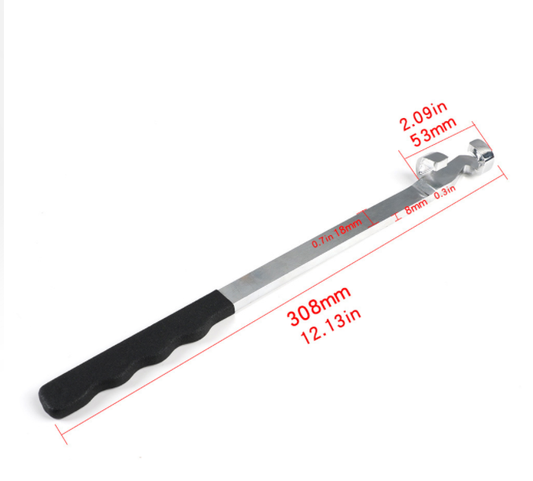
Universal Wrench Extender Bar
Regular price $89.00Regular priceUnit price per$139.00Sale price $89.00SALE ENDS AT MIDNIGHT -

 SALE ENDS AT MIDNIGHT
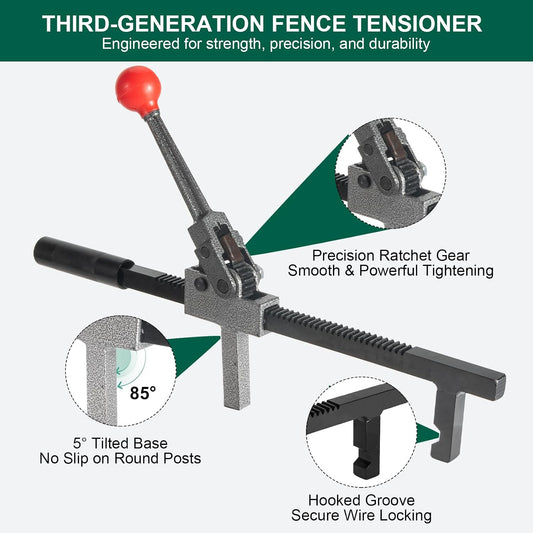
Ratchet Fence Tightener
Regular price $119.00Regular priceUnit price per$187.00Sale price $119.00SALE ENDS AT MIDNIGHT -

 SALE ENDS AT MIDNIGHT
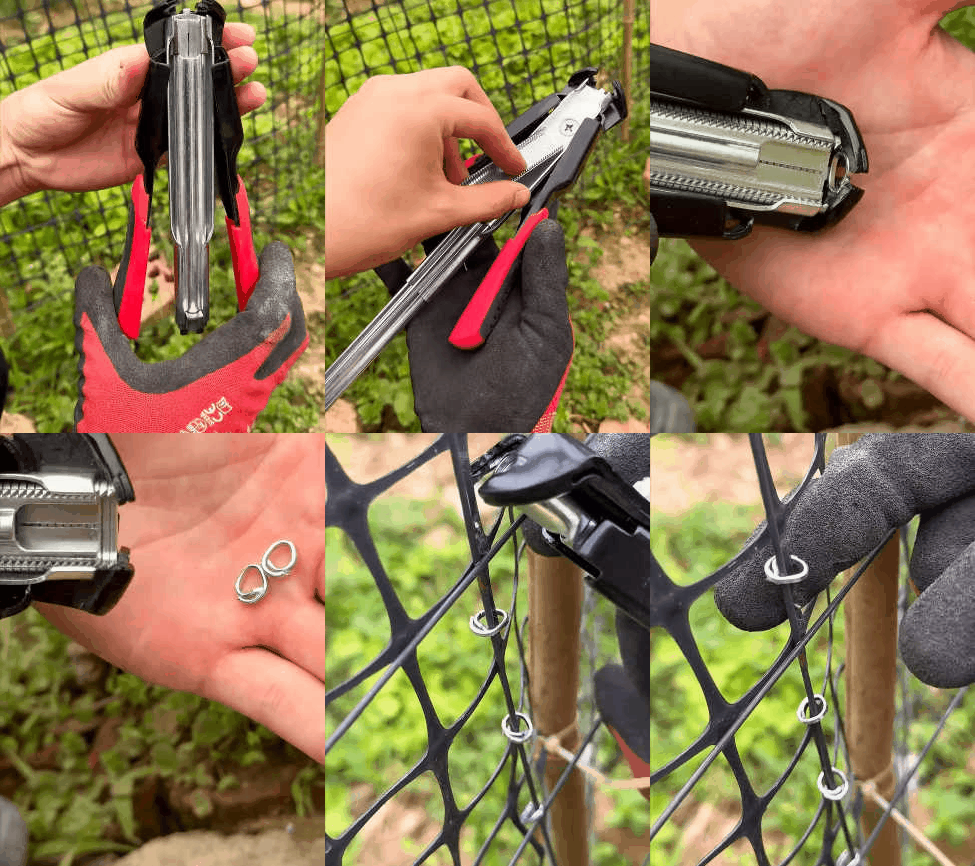
Hog Ring Pliers Kit
Regular price $89.00Regular priceUnit price per$179.00Sale price $89.00SALE ENDS AT MIDNIGHT -

 SALE ENDS AT MIDNIGHT
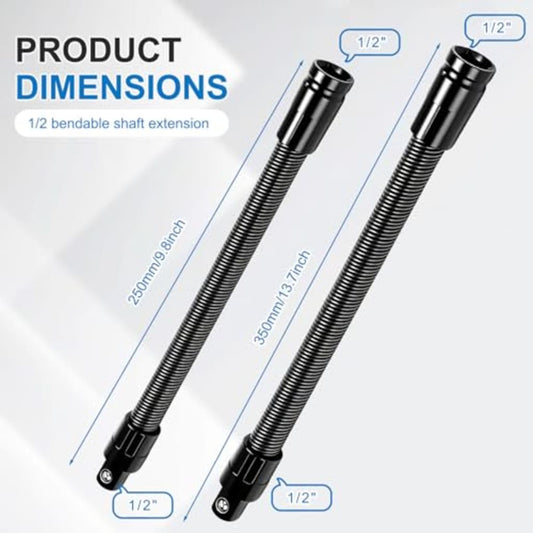
Flexible Socket Extender for Tight Spaces
Regular price $119.00Regular priceUnit price per$215.00Sale price $119.00SALE ENDS AT MIDNIGHT


Why Tradespeople Choose Galixo
Built to lastForged and hardened steel, not pot metal
Saves a tripDoes the job without a second pair of hands
Fits what you ownStandard sizes, no proprietary adapters
Tracked deliveryA tracking number on every order
90-day returnsWrong tool for the job? Send it back
The 6 inch opens to 24 mm, which is 15/16 inch, and suits nuts and bolts up to around M14. The 10 inch opens to 33 mm, or 1-5/16 inch, and takes you to about M20. Between them that is most of what turns up on a bike, a mower, a tap or a bed frame.
They let you set the opening to a known size before the wrench goes on the fastener. Metric runs along one side and imperial along the other, etched into the steel rather than printed, so they are still readable after a year in a toolbag.
Yes. These are made for home, workshop and garage work, not for industrial or high-stress mechanical jobs. Do not slide a pipe over the handle for extra leverage, and do not put them on a rusted fastener that is already fighting you, because an adjustable jaw grips two flats and that is how nuts get rounded. Where you can reach it with a six-point socket, use the socket. Anything past the jaw capacity above is simply the wrong tool.
Black oxide resists corrosion rather than sealing it out, and it holds oil well, which is how it does the job. Wipe them down after wet work and they stay clean. Left sitting damp, any steel wrench will spot eventually.
We ship from two warehouses, one in California and one overseas, and the system picks whichever holds stock. To the US that is 5 to 15 business days in total from a California dispatch, or 12 to 25 business days from overseas. Every order gets a tracking number by email at dispatch. Shipping is free either way.
If your parcel has not arrived within 30 business days of dispatch, email us and we will reship or refund in full, your choice, with nothing to send back. You also have 90 days from delivery to return an item you no longer want. We reply to every message within one business day.