
The screw is right there. The problem is the drill behind it, which needs four inches of clear run the cabinet will not give you. This head turns the drive a quarter turn, so the bit goes in where your hand already fits and the drill stays out of the way.


Right Angle Drill Adapter
$44.00
$88.00
✅ Turns the drill you already own into a right-angle driver
✅ Reaches screws a straight drill cannot line up with
✅ Magnetic holder keeps the hex bit seated while you work
✅ Fits any tool that takes a 1/4 inch hex shank
✅ Textured grip for control in cramped spaces
Want it by Friday, 23. Oct?
What you get
One right-angle drill adapter. The shank is a standard 1/4 inch hex, so it goes into the drill, impact driver or bit holder you already own, and the output end is a magnetic 1/4 inch hex socket that takes the bits already in your case. No bits are included, because you almost certainly have them.
Materials
Steel gearing inside a stainless housing, with a textured sleeve over the body so you can hold the head steady with your spare hand. The bit socket carries a small magnet that keeps a hex bit seated while you feel for the screw.
Care
Keep dust and swarf out of the bit socket, since metal filings collect on the magnet and stop a bit seating fully. A wipe and an occasional drop of light oil on the shank is all it asks. Store it with your bits rather than loose in the bottom of the bag.
Will it work with the drill you own?
Four figures that answer it before you buy.
90degrees
The turn your drill cannot make on its own, so the bit meets the screw square
1/4in hex
Standard shank that fits most drills, impact drivers and bit holders
2ends
Hex shank going in, magnetic bit socket coming out, nothing else to buy
1hand
Small enough to hold and steer inside a cabinet or a wheel arch

The angle your drill cannot make
One screw, two ways to reach it
The screw has not moved. What is holding the bit has.
 Without
Taking things apart to get at it
The drill body fouls the frame, so the shelf comes out, or the trim, or the seat, just to get a straight run at one fastener you could already touch with a finger.
 With the adapter
In at the angle, out in a minute
The head turns the drive ninety degrees, so you work where the screw actually is and leave everything around it where it was.


What is actually in the head
Four things worth knowing before it goes in your bag.
Ninety-Degree Head
Gearing inside turns the drive a right angle, so the bit sits square on the screw while the drill sits off to the side.
Magnetic Bit Socket
A magnet in the socket holds the hex bit while you feel for the screw head one-handed in a space you cannot see into.
Quarter-Inch Hex Shank
The same shank as any driver bit, so it goes into a drill chuck, an impact driver or a bit holder without an adapter of its own.
Textured Grip Sleeve
Your spare hand holds the head steady, which is what stops the bit walking out of the recess when the angle is awkward.
Where the straight drill runs out of room
The jobs that usually end with you dismantling something first.

Cabinets and hinges
Hinge plates and drawer runners set back inside a carcass, with no room behind for a drill.

Under sinks and behind pipes
Cistern brackets, waste clips and the screws you can only get a wrist to.

Car interiors and panels
Trim screws in a footwell or a door card, where a straight drill will not line up at all.

Between studs and joists
Blocking, noggins and brackets in a bay too narrow to swing a drill in.
Why not just use a stubby driver?
Fair question, and the last row is the honest answer.
A stubby or offset driver
- The drill body still has to sit square on
- The bit drops out of the recess
- Your wrist, a quarter turn at a time
- Whatever came with the driver
- A stubby driver takes more abuse
Right Angle Drill Adapter
- Only the small head goes into the gap
- Magnet keeps it seated while you aim
- The drill you already own
- Any 1/4 inch hex bit in your case
- Light to medium fastening only

Nothing new to learn, nothing new to charge
This is not another tool with its own battery to keep topped up. The shank goes into the chuck you already use, the socket takes the bits already in your case, and it lives in the same pouch. One part, and the drill reaches further than it did yesterday.
Three moves, start to finish
No setup, no second tool, no dismantling anything first.

1
First
Chuck the shank
The hex shank goes into your drill, driver or bit holder the same way a driver bit does.

2
Then
Snap in the bit you need
Any 1/4 inch hex bit pushes into the magnetic socket and stays there while you get it into position.

3
Finally
Hold the grip and drive
Steady the head with your spare hand and run the screw at low speed, so the bit stays in the recess.
New arrivals
-

 SALE ENDS AT MIDNIGHT
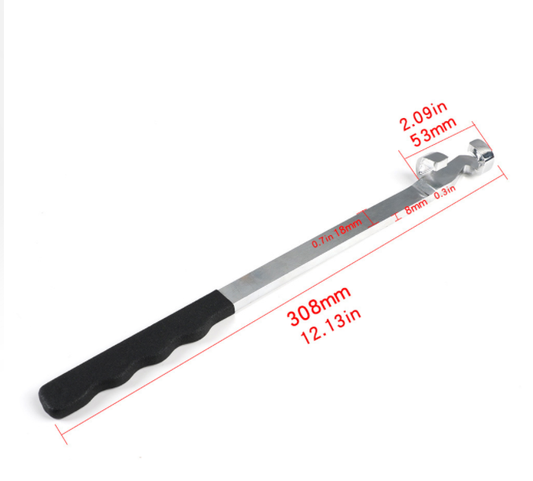
Universal Wrench Extender Bar
Regular price $89.00Regular priceUnit price per$139.00Sale price $89.00SALE ENDS AT MIDNIGHT -

 SALE ENDS AT MIDNIGHT
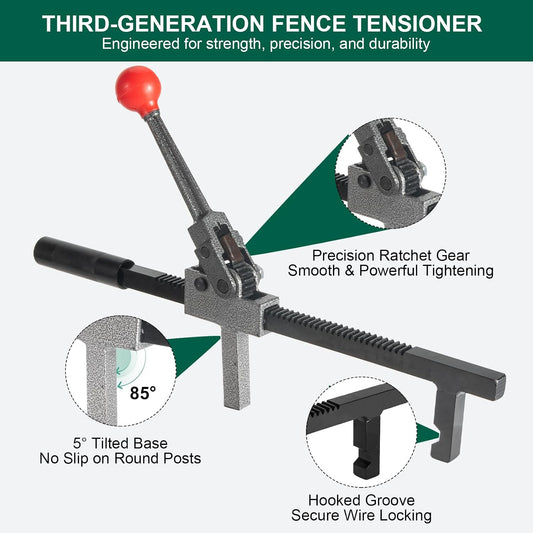
Ratchet Fence Tightener
Regular price $119.00Regular priceUnit price per$187.00Sale price $119.00SALE ENDS AT MIDNIGHT -

 SALE ENDS AT MIDNIGHT
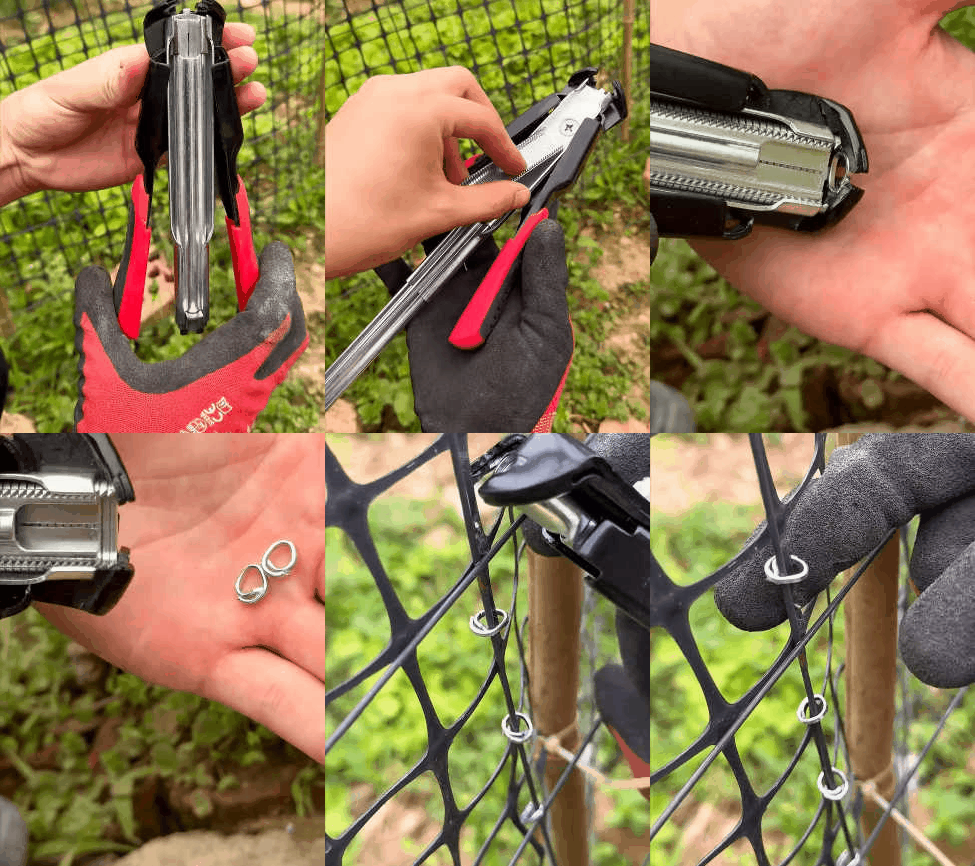
Hog Ring Pliers Kit
Regular price $89.00Regular priceUnit price per$179.00Sale price $89.00SALE ENDS AT MIDNIGHT -

 SALE ENDS AT MIDNIGHT
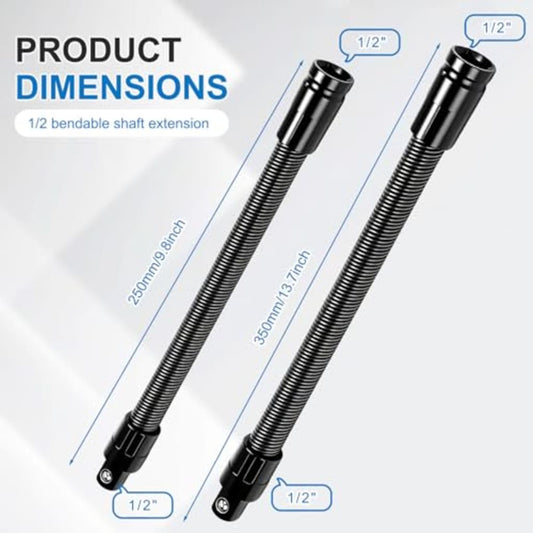
Flexible Socket Extender for Tight Spaces
Regular price $119.00Regular priceUnit price per$215.00Sale price $119.00SALE ENDS AT MIDNIGHT


Why Tradespeople Choose Galixo
Built to lastForged and hardened steel, not pot metal
Saves a tripDoes the job without a second pair of hands
Fits what you ownStandard sizes, no proprietary adapters
Tracked deliveryA tracking number on every order
90-day returnsWrong tool for the job? Send it back
If your drill, impact driver or bit holder takes a standard 1/4 inch hex bit, it takes this. That covers almost every cordless drill sold in the last twenty years, and a keyed chuck grips the shank just as well.
No, and that is deliberate. The socket takes any 1/4 inch hex bit, so you use the ones already in your case rather than paying for a second set of the same Phillips and Torx bits.
Yes. A right-angle head puts all the load through a small set of gears, so it is for light and medium fastening: cabinet screws, trim, brackets, small bolts. Keep it off lag screws, wheel nuts and impact drivers set to full hammer, where the right answer is the drill straight on or a proper wrench. It also needs a little room for the head itself, so a gap narrower than your fingers is still a gap it cannot get into.
It holds it well enough to line up a screw one-handed in a space you cannot see into, which is the point. Metal filings collect on it over time, so blow the socket out now and then or a bit will stop seating fully.
We ship from two warehouses, one in California and one overseas, and the system picks whichever holds stock. To the US that is 5 to 15 business days in total from a California dispatch, or 12 to 25 business days from overseas. Every order gets a tracking number by email at dispatch. Shipping is free either way.
If your parcel has not arrived within 30 business days of dispatch, email us and we will reship or refund in full, your choice, with nothing to send back. You also have 90 days from delivery to return an item you no longer want. We reply to every message within one business day.