
A steel fourteen is fine for one fitting. It is the third hour, lying on your back under a sink with the wrench held up at arm's length, that makes the case for aluminium. Same length, same bite, about forty percent less to hold in the air while you find the flats.


Lightweight Aluminum Pipe Wrench
$49.00
$99.00
✅ Aluminium body is about 40 percent lighter than a steel pipe wrench
✅ Drop-forged, heat-treated jaw that resists distortion under load
✅ Opens to 2 inches, enough for most household and shop pipework
✅ Anti-rust coating for wet work under sinks and outdoors
✅ Straight handle that stays controllable overhead and one-handed
Want it by Friday, 23. Oct?
What you get
One 14 inch aluminium pipe wrench, weighing about 2 lb. The recommended maximum safe opening is 2 inches, roughly 50 mm, which covers household supply and waste pipe and most shop fittings. There is a hanging hole in the end of the handle.
Materials
An aluminium alloy body carrying a drop-forged, heat-treated floating jaw. The weight comes out of the handle, not out of the part that grips, so the teeth and the hook are still steel. The outside is finished with an anti-rust coating.
Care
Brush the teeth out after a job, because packed scale and pipe dope are what make a pipe wrench slip. Run the adjusting nut through its travel now and then with a drop of oil on the thread. Dry it off after work under a sink rather than dropping it back in the bag wet.
Will it fit the pipe you are working on?
Four figures that answer it before you buy.
40% lighter
Against a steel pipe wrench of the same length, which you feel overhead
14inch
Handle length, the size most plumbers reach for before any other
50mm jaw
Recommended maximum safe opening, which is 2 inches across the pipe
2lb
What your arm is actually holding up while you line the jaw up

The weight you notice on the tenth joint
Same joint, two arms at the end of it
The pipe does not care. You will.
 Without
Steel, and your shoulder knows
Holding three and a half pounds above your head while you feel for the flats, resetting every quarter turn, and swapping hands because one arm has had enough.
 With aluminium
Same grip, less to hold up
The jaw and teeth are still forged steel, so nothing changes at the pipe. What changes is how steady you still are on the last fitting of the day.


Where the weight went
Four things worth knowing before it goes in the van.
Aluminium Alloy Body
The weight comes out of the handle and the frame, the parts that do not touch the pipe, which is why the grip is unchanged.
Drop-Forged Floating Jaw
Forged and heat-treated steel, hung so it rocks into the pipe as you pull. That float is what makes a pipe wrench bite harder the more you lean on it.
Hardened Teeth
Cut deep and run hard, because teeth that round off are the reason an old pipe wrench starts spinning on the joint.
Anti-Rust Coating
A sprayed finish over the body, for a tool that spends its life in cupboards, crawl spaces and the wet end of the job.
Where the weight actually matters
The jobs you do with one arm up and no comfortable way to stand.

Under sinks and cisterns
On your back in a cupboard, holding the wrench up with one arm and a torch with the other.

Overhead pipework
Ceiling runs and risers, where every ounce is one you are lifting above your head.

Outside taps and irrigation
Standpipes, hose bibs and buried fittings that have been sitting in the weather for years.

Radiators and heating runs
Valve bodies and unions in the awkward gap between the radiator and the skirting.
Why aluminium instead of steel?
Fair question, and the last row is the honest answer.
A steel pipe wrench
- You put it down every few turns
- Two hands, or it drops on the trap
- Forged steel jaw and teeth
- Surface rust on the handle
- Steel forgives more of it
Lightweight Aluminum Pipe Wrench
- About 40 percent less to hold up
- Light enough to line up one-handed
- The same forged steel jaw and teeth
- Aluminium body does not rust
- Do not, the body is aluminium

Straight handle, room to swing
A straight handle is easier to place against a wall or a joist and easier to read the angle on when you are working blind. The hook jaw floats, so the harder you pull, the tighter it closes on the pipe, and you reset in small bites rather than trying to do a joint in one heave.
Three moves, start to finish
Most pipe wrenches slip because of the first step, not the tool.
First
Open the jaw a touch wide
Set it slightly over the pipe rather than dead on. The float needs a little room to close, and that gap is where the bite comes from.
Then
Pull, do not push
Load the handle in the direction the hook jaw faces. Pushing the wrong way just skids the teeth around the pipe.
Finally
Reset in small bites
Rock it back, re-seat, pull again. Short repeated bites move a stuck joint that one long heave will not.
New arrivals
-

 SALE ENDS AT MIDNIGHT
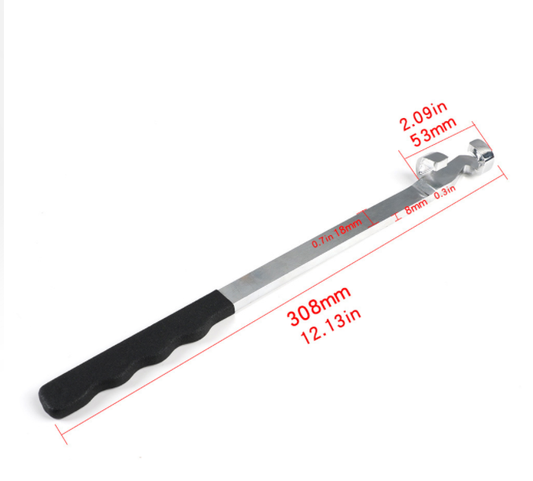
Universal Wrench Extender Bar
Regular price $89.00Regular priceUnit price per$139.00Sale price $89.00SALE ENDS AT MIDNIGHT -

 SALE ENDS AT MIDNIGHT
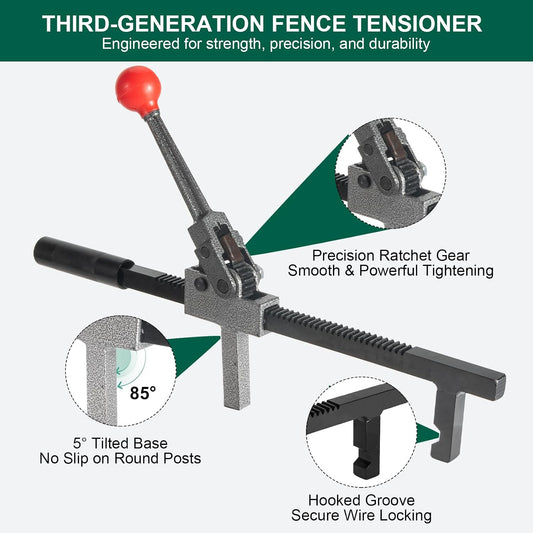
Ratchet Fence Tightener
Regular price $119.00Regular priceUnit price per$187.00Sale price $119.00SALE ENDS AT MIDNIGHT -

 SALE ENDS AT MIDNIGHT
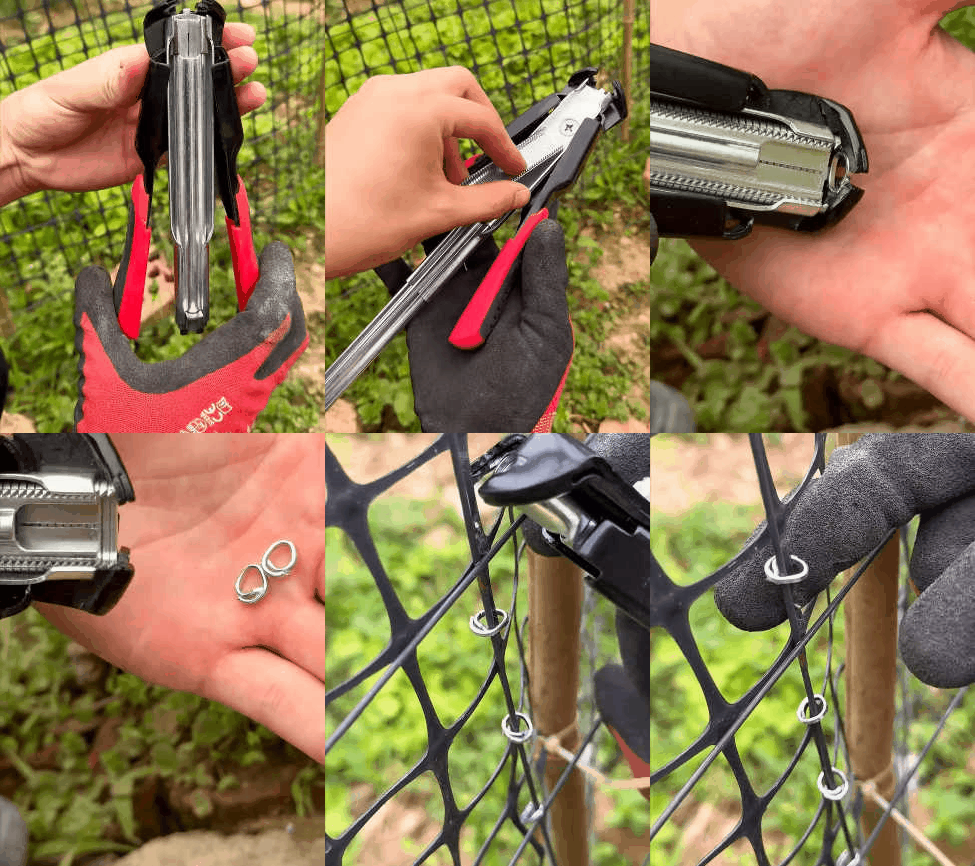
Hog Ring Pliers Kit
Regular price $89.00Regular priceUnit price per$179.00Sale price $89.00SALE ENDS AT MIDNIGHT -

 SALE ENDS AT MIDNIGHT
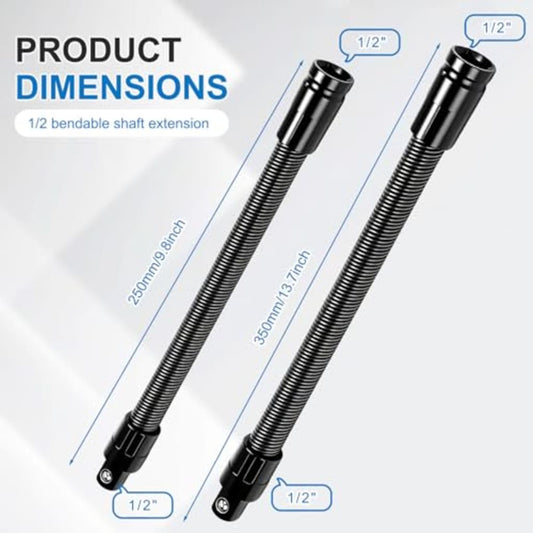
Flexible Socket Extender for Tight Spaces
Regular price $119.00Regular priceUnit price per$215.00Sale price $119.00SALE ENDS AT MIDNIGHT


Why Tradespeople Choose Galixo
Built to lastForged and hardened steel, not pot metal
Saves a tripDoes the job without a second pair of hands
Fits what you ownStandard sizes, no proprietary adapters
Tracked deliveryA tracking number on every order
90-day returnsWrong tool for the job? Send it back
The recommended maximum safe opening is 2 inches, about 50 mm, measured across the pipe. That covers household supply and waste runs and most shop fittings. Treat it as a limit rather than a target, because a pipe wrench opened to its last thread is a pipe wrench that slips.
No, because the weight came out of the handle and the frame rather than the jaw. The hook jaw is drop-forged and heat-treated steel and the teeth are hardened, so what happens at the pipe is the same as a steel wrench of this size.
Yes. The body is aluminium, so never slide a pipe over the handle for leverage, and never use it as a hammer or a pry bar. Steel forgives that kind of treatment and this will not. The teeth also bite, which means it marks whatever it grips, so keep it off chrome traps, finished fittings and plated nuts and use a strap wrench or a smooth-jaw tool there instead.
The aluminium body does not rust, which is most of the tool. The steel jaw and the adjusting nut still can, so wipe those down and put a drop of oil on the thread after a soaking rather than dropping it back in the bag wet.
We ship from two warehouses, one in California and one overseas, and the system picks whichever holds stock. To the US that is 5 to 15 business days in total from a California dispatch, or 12 to 25 business days from overseas. Every order gets a tracking number by email at dispatch. Shipping is free either way.
If your parcel has not arrived within 30 business days of dispatch, email us and we will reship or refund in full, your choice, with nothing to send back. You also have 90 days from delivery to return an item you no longer want. We reply to every message within one business day.