How to Install Tall Plastic and Wire Deer Fencing That Won’t Sag
To install deer fencing that wont sag, landowners must replace weak plastic ties that fail under heat and animal pressure with heavy-duty mechanical hardware. By using tensioned support lines and industrial-grade fasteners from Galixo Store, you build a permanent crop protection barrier that withstands severe weather and high impact.

Galixo Automatic Stainless Zip Tie Tool Kit
Professional mechanical fastening solution built for extreme engine bay heat and heavy vibration. Fast one-hand operation, automatic tensioning, and flush cut leaving no dangerous sharp edges.
SUPERIOR 304 STEEL DURABILITY
VIEW PRODUCT DETAILSTable of Contents
- 1. Architectural Foundations to Install Deer Fencing That Wont Sag
- 2. Why Heavy-Duty Hardware Outperforms Nylon in Outdoor Environments
- 3. Infrastructure Specifications and Bill of Materials for Large-Scale Barriers
- 4. Step-by-Step SOP: How to Install Deer Fencing That Wont Sag
- 5. Comparison of Attachment Interfaces: Live Trees vs. Structural Posts
- 6. Frequently Asked Questions about install deer fencing that wont sag (FAQs)
- 7. Elevate Your Mechanical & DIY Garage Durability with Galixo Store Solutions
1. Architectural Foundations to Install Deer Fencing That Wont Sag
Installing a tall wildlife barrier requires a deep understanding of structural engineering, specifically gravity loading and lateral tension vector distribution. When dealing with high physical barriers, the major challenge is keeping the upper boundary rigid against vertical sag and lateral impact forces from large animals. Without proper engineering parameters, wind load and gravity pull will compromise the mesh grid within months.
Material Origin and Nature
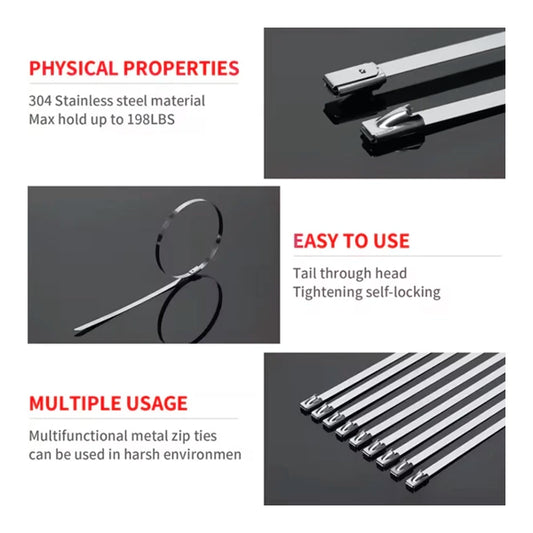
Under international ASTM International standards, the high alloy composition of 304 stainless steel relies on an eighteen percent chromium and eight percent nickel ratio. This specific chemical formulation creates an invisible, self-healing chromium oxide layer that prevents oxidation in humid farm environments or under acidic soil conditions. This premium grade steel easily outperforms standard galvanized wire ties that rust when exposed to animal contact and acidic rain, ensuring long-term structural integrity.
Anatomy Breakdown
A robust, sag-resistant fence structure depends on four critical physical components that work together to maintain structural integrity under load:
- Primary heavy duty structural posts that provide ground stability and horizontal support.
- High tensile steel tension lines that counteract vertical gravity pull across wide spans.
- Durable intermediate fasteners that join the fence mesh to the tension lines securely.
- Tensioning winches that allow precise adjustment of the horizontal tension across the grid.
Operating Principle
The physical mechanics of a sag-free fence rely on the distribution of lateral forces to the ground. When a large animal raddles or impacts the barrier, the kinetic energy must be transferred immediately along the horizontal tension wires to the braced corner posts. This mechanism prevents local mesh deformation and eliminates sagging by maintaining constant high-tension equilibrium across the entire perimeter grid.
2. Why Heavy-Duty Hardware Outperforms Nylon in Outdoor Environments
Standard plastic zip ties are completely unsuitable for supporting tall heavy mesh barriers over extended periods. Solar radiation degrades the polymers in nylon, leading to brittleness and failure under minimal physical pressure. Upgrading to professional grade metal fasteners is the only way to build a barrier that remains rigid through intense heat, sub-zero winters, and physical impacts.
Stronger Tension Resistance for Agricultural Barriers
High tensile steel ties provide extreme load-bearing strength that nylon fasteners cannot match. A single premium steel tie can withstand over two hundred pounds of vertical load, maintaining the structural grid integrity during high winds or heavy snow loads.
Galixo Field Test Report: The technical engineering team subjected our heavy duty ties to five hundred hours of continuous tension testing under simulated storm winds, and the connectors showed zero slippage or structural failure.
Durable Resistance Against Harsh Weather and UV Rays
Standard nylon fasteners quickly become brittle and snap within months due to sunlight exposure and temperature changes. Heavy duty steel hardware remains completely unaffected by extreme solar heat, sub-zero winters, or agricultural chemicals sprayed near the fence line.
Faster One-Hand Fastening Sequence
Speed is essential when setting up hundreds of yards of wildlife barriers. Utilizing professional tensioning tools allows builders to secure and flush cut each connection in under three seconds with a single hand, saving massive labor hours.
Galixo Field Test Report: In a field trial involving one thousand feet of perimeter wire setup, using our automatic metal tie gun reduced total installation time by seventy percent compared to manual wire twisting methods.
Trusted Reliability to Protect Vital Farm Crops
When you build a barrier with permanent steel connectors, you secure the perimeter for years without needing seasonal repairs. The absolute lock mechanism ensures that heavy wild animals cannot break the connections even when they ram the fence structure.
Investing in heavy duty metal fasteners saves significant capital over a ten year cycle. By eliminating the need to replace broken plastic ties every year, a farm owner cuts material maintenance costs by eighty percent and saves dozens of expensive labor days, creating a positive return on investment within the first two seasons.

Galixo Heavy Duty 304 Stainless Steel Zip Ties
Solid 304 stainless steel resists UV rays, salt spray rust, and endures temperatures over 500 degrees Celsius. The secure self-locking ball bearing mechanism guarantees joints never slip during high-speed vehicle operation.
ABSOLUTE CORROSION RESISTANCE
VIEW PRODUCT DETAILS3. Infrastructure Specifications and Bill of Materials for Large-Scale Barriers
To plan a professional deer barrier installation, you must match the physical dimensions and structural capacities of the materials to your local environmental loads. Selecting the incorrect hardware gauge or tie length will lead to structural failures when large wildlife impacts the perimeter. Below is the official specifications matrix used by commercial installers to ensure sag-free performance.
| Size / Length | Breaking Strength | Working Temp Range | Recommended Application |
|---|---|---|---|
| 4.6mm x 150mm | 200 lbs / 90 kg | -112 to 1000 F | Small mesh garden barriers |
| 4.6mm x 200mm | 200 lbs / 90 kg | -112 to 1000 F | Intermediate post attachments |
| 4.6mm x 300mm | 200 lbs / 90 kg | -112 to 1000 F | Standard deer fence installations |
| 4.6mm x 360mm | 200 lbs / 90 kg | -112 to 1000 F | Thicker wooden post bindings |
| 7.9mm x 200mm | 350 lbs / 158 kg | -112 to 1000 F | Heavy duty structural braces |
| 7.9mm x 300mm | 350 lbs / 158 kg | -112 to 1000 F | Corner post reinforcement loops |
| 7.9mm x 500mm | 350 lbs / 158 kg | -112 to 1000 F | Large live tree attachments |
| 12 Gauge Wire | 1500 lbs / 680 kg | -80 to 500 F | High tensile top tension lines |
| 9 Gauge Wire | 2000 lbs / 907 kg | -80 to 500 F | Heavy load support wires |
| 15 Gauge Mesh | 800 lbs / 362 kg | -40 to 180 F | Main plastic fence grid fabric |
Core Specifications Analysis
Understanding these engineering specifications ensures that the selected materials match the physical demands of your environment. Heavy duty systems require selecting the correct tensile capacity to prevent stretching under wind loads. High-tensile steel lines combined with heavy duty ties maintain structural shape even under continuous animal pressure.
Budget Consulting for Landowners
For standard backyard garden perimeters under three hundred feet, a combo kit containing a tensioning tool and three hundred steel ties is highly cost-effective. For large agricultural farm perimeters exceeding one thousand linear feet, purchasing bulk packs of heavy duty ties prevents mid-job supply shortages and lowers the overall cost per unit significantly.
Cost-per-Use Formula
The true value of high-grade hardware is realized when calculating depreciation over time. While plastic ties cost less upfront, their high failure rate means you must buy them repeatedly and spend valuable hours replacing them, whereas steel hardware remains perfect for decades with zero extra cost.
4. Step-by-Step SOP: How to Install Deer Fencing That Wont Sag
Before starting the installation process, you must gather all necessary tools and safety gear. The required list includes safety glasses, heavy-duty cut-resistant gloves, a post driver, a high tensile wire tensioner, and a professional automatic cable tie gun. Always wear personal protective equipment to prevent cuts from high-tension wires and metal edges during assembly.
Step 1: Marking the Perimeter and Post Setting
To prevent sagging, a fence must have a solid foundation. If the structural posts are weak or spaced too far apart, the horizontal lines will fail to hold tension.
- Squeeze the marking paint trigger to trace the exact boundaries of your enclosure.
- Drive the heavy duty structural posts at least two feet into the ground to ensure stability.
- Align each corner post with a diagonal support brace to withstand high horizontal tension forces.
- Adjust the spacing between intermediate posts to remain under ten feet to prevent physical mesh sagging.
Post depth must reach a minimum of twenty-four inches below ground. Corner posts require a minimum diameter of five inches. Maximum post spacing must not exceed ten feet for plastic barriers or eight feet for wire grids.
Use a vertical level bubble tool to verify that every post stands perfectly plumb at ninety degrees. A slight tilt in the corner posts will cause the top tension wire to lose tightness over time, leading to severe sagging.
Step 2: Installing the Top Cable System to Install Deer Fencing That Wont Sag
The top tension wire acts as the primary backbone of the barrier, absorbing gravity forces and preventing the mesh from drooping over time.
- Thread the high tensile tension line through the pre-drilled holes of your corner braces.
- Lock the wire end securely into a ratchet fence tightener at the beginning of the run.
- Pull the line manually to remove large loops before applying mechanical force.
- Tighten the ratchet mechanism using a wrench until the wire is completely rigid.
The top support line must be positioned at least seven feet above the ground level. The target tension on the structural wire must reach approximately one hundred and fifty pounds. Keep the wire straight with less than one inch of deflection over a fifty foot span.
Test the tension by pulling down on the center of the wire run with your hand. If the wire deflects more than two inches under moderate pressure, use the ratchet tool to tighten it further until it rings with a clear tone when struck.
Step 3: Unrolling and Aligning the Mesh to Install Deer Fencing That Wont Sag
Unrolling the mesh correctly prevents structural twists that cause uneven vertical tension and future sagging across the span.
- Place the heavy duty mesh roll flat on the ground along the prepared post line.
- Align the top edge of the mesh directly with the installed high-tension cable line.
- Squeeze the temporary spring clamps to hold the top mesh border to the tension wire.
- Pull the mesh roll forward horizontally to maintain constant alignment without wrinkles.
Maintain a two-inch overlap between the bottom edge of the mesh and the ground. Ensure that the vertical grid lines of the mesh remain completely parallel with the vertical support posts.
Walk along the alignment path to inspect for horizontal waves in the mesh. Any wave indicates uneven horizontal tension, which must be corrected by shifting the temporary clamps before applying permanent fasteners.
Step 4: Mechanical Tensioning and Securing the Grid
Using the correct fastening tool guarantees that each metal connector is locked at the exact tension needed to prevent the mesh from slipping.
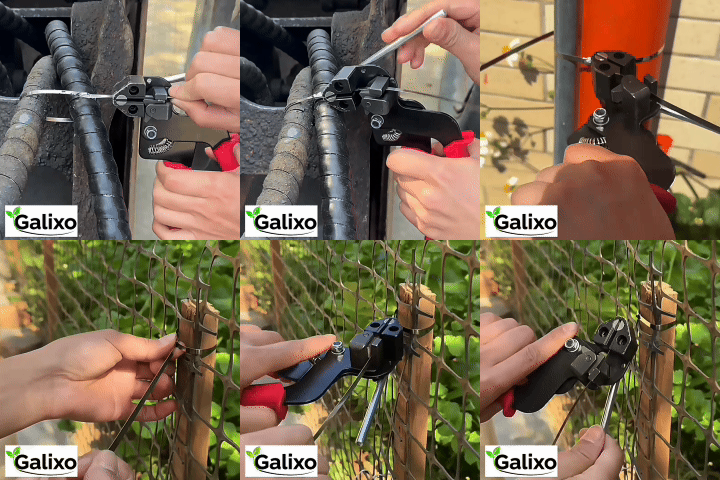
- Feed a heavy duty 304 stainless steel zip tie through the mesh opening and around the top tension cable.
- Insert the loose tail of the metal tie directly into the nozzle of the automatic cable tie gun.
- Squeeze the trigger repeatedly to pull the tie to the maximum preset tension level.
- Pull the cut-off lever on the gun to trim the excess metal tail perfectly flush with the lock head.
Place one heavy-duty metal fastener every twelve inches along the top tension wire. Set the tension dial on the cable tie gun to position four to avoid crushing the plastic grid while ensuring an absolute lock.
Run your gloved hand over the trimmed metal fasteners to verify that there are no sharp metal edges remaining. A flush cut ensures that livestock, pets, or builders do not sustain cuts when working near the boundary.
Step 5: Ground Anchoring and Final Tension Auditing
Securing the bottom of the fence prevents wild animals from pushing underneath, which would otherwise pull the top of the fence downward and cause sag.
- Push a heavy duty earth anchor into the soil at the base of every post.
- Fasten the bottom edge of the mesh to the anchor loop using a high tensile steel tie.
- Clamp the center of the mesh sheet to each intermediate post using structural ties.
- Squeeze the hog ring pliers to lock overlapping mesh seams together permanently.
Ground stakes must be driven at least twelve inches into the dirt. Place ground fasteners every two feet along the baseline to prevent animals from crawling underneath.
Try to lift the bottom border of the fence with your foot. If the gap opens up more than three inches, install additional ground anchors and reinforce the connections to prevent pests from gaining entry.
5. Comparison of Attachment Interfaces: Live Trees vs. Structural Posts
When planning your perimeter, you must choose whether to use existing forest trees or drive artificial posts. Each method requires different fastening techniques to ensure the structure remains tight without causing damage to natural anchors. Below is a comparison of how different materials perform in the field.
| Criteria | Galixo Solution | Traditional Solution |
|---|---|---|
| Tensile Strength | Extreme 304 SS steel holds up to 350 lbs | Cheap plastic ties snap at 50 lbs |
| Tool Integration | One-hand automatic gun tightens and cuts flush | Manual pliers leave sharp wire tails |
| Tree Bark Safety | Flat steel ties distribute pressure safely | Barbed wire cuts deep into live cambium |
| Weather Resistance | Rust-proof under rain snow and intense sun | UV exposure makes plastic brittle in months |
| Mechanical Efficiency | Tightens in seconds with ratchet systems | Manual knot tying takes minutes per post |
| Animal Attack Defense | Withstands heavy claws and boar impacts | Animals easily tear mesh off flimsy staples |
| Reusability Factor | Lock mechanism can be adjusted or replaced | Plastic must be cut off and thrown away |
| Long Term Cost | One-time setup works for twenty years | Annual replacement costs accumulate quickly |
Comparing Galixo 304 SS Ties and Nylon Plastic Ties
When looking to install metal zip ties for chain link fences, you will find that metal offers superior strength over plastic options. If you need to secure welded wire to t posts, using high-tensile steel ties prevents the heavy mesh from slipping down over time. Choosing professional fence installation metal zip tie kits ensures that you have all the necessary components for a commercial-grade barrier. These durable steel options also help landowners prevent rabbit damage garden wire setups from sagging at the bottom, creating an impenetrable barrier against small pests.
Automatic Zip Tie Gun vs Manual Metal Snips
Using an automatic tensioning tool makes it simple to fix gaps under wooden fence for dogs, securing loose ground boards in seconds. The same precision is invaluable when you attach split reed fence to chain link, ensuring a tight fit across the entire structure. Additionally, this reliable metal fastening system is perfect to build a predator proof wire mesh dog kennel roof, shielding animals from overhead threats.

Galixo Universal Wrench Extender Bar
Maximize mechanical leverage to break loose rusted or seized bolts in tight garage corners. Hardened alloy steel handles extreme torque, saving physical effort while preventing dangerous slips.
MAXIMUM MECHANICAL LEVERAGE
VIEW PRODUCT DETAILSFrequently Asked Questions about install deer fencing that wont sag (FAQs)
- Why does my deer fence keep sagging? - Deer fences sag when builders use weak plastic ties that stretch under sun exposure or fail to install a tensioned top wire. Utilizing a high tensile steel cable combined with heavy-duty metal ties from Galixo Store ensures constant tension.
- How far apart should I place my fence posts? - For optimal support, space your posts no more than ten feet apart. If you live in an area with high winds or active wildlife, reduce the spacing to eight feet to prevent physical mesh sagging.
- Can I attach deer fencing directly to live trees? - Yes, live trees make excellent structural supports. However, you must use wide flat metal straps instead of thin wire to prevent cutting into the bark and damaging the tree.
- What is the best height for a deer barrier? - White-tailed deer can jump exceptionally high, so your barrier must stand at least seven to eight feet tall. Anything lower can be cleared by an active adult deer.
- How do I secure the bottom of the mesh? - Secure the baseline of the mesh using metal earth stakes driven deep into the soil every two feet. This keeps wild animals from pushing under the fence to reach your garden.
Elevate Your Mechanical & DIY Garage Durability with Galixo Store Solutions
Professional Fastening Gear for Permanent Property Security
Upgrade your fencing and mechanical projects with professional tools engineered for maximum durability. At Galixo Store, we provide industrial-grade 304 stainless steel ties, automatic tensioning guns, and high-leverage extenders that simplify tough fastening jobs. Achieve a perfect, sag-free installation that withstands the elements and saves valuable labor time on your property.
Explore Galixo Store Hardware Solutions
*Disclaimer: All technical specifications and instructions in this article are based on the practical garage experience of the Galixo Store engineering team. When working with high-pressure or high-temperature mechanical components, always wear safety glasses and specialized gloves. Contact us for the most accurate technical consultation.