Emergency DIY Fixes for Sagging or Missing Attic Soffit Vents
emergency fix for sagging soffit vents requires high tensile fasteners that will not decay like cheap plastic ties that snap under severe UV exposure. The engineering team at Galixo Store designed extreme durability hardware solutions to help homeowners bypass dangerous, razor sharp manual ties and secure loose architectural eaves instantly before calling expensive contractors.

Galixo Automatic Stainless Zip Tie Tool Kit
Professional mechanical fastening solution built for extreme engine bay heat and heavy vibration. Fast one-hand operation, automatic tensioning, and flush cut leaving no dangerous sharp edges.
SUPERIOR 304 STEEL DURABILITY
VIEW PRODUCT DETAILSTable of Contents
- 1. Comparing Materials for an emergency fix for sagging soffit vents
- 2. The Physics of Wind Uplift and How to Secure Loose Vinyl Soffit
- 3. Step-by-Step SOP for an emergency fix for sagging soffit vents
- 4. Critical DIY Mistakes to Avoid When Trying to Stop Wind Blowing Soffit Down
- 5. Why Heavy-Duty Fasteners Are Crucial to Keep Bees Out of Loose Soffit
- 6. Frequently Asked Questions about emergency fix for sagging soffit vents (FAQs)
- 7. Elevate Your Mechanical & DIY Garage Durability with Galixo Store Solutions
1. Comparing Materials for an emergency fix for sagging soffit vents
When facing a sagging aluminum soffit fix or an emergency repair fallen soffit panel situation, choosing the correct material is vital to prevent catastrophic roof failures. Light wood trim and plastic siding are prone to rapid environmental decay, especially when exposed to direct moisture, storm winds, or insect attacks. Professional garage builders and roof restoration experts rely on heavy duty mechanical fasteners to secure storm damaged soffit structures permanently before calling local roofing contractors. If you also need to repair loose roof flashing along the upper roof line, using high tensile steel components ensures the entire roof deck remains tightly bound together.
| Criteria Specification | Galixo 304 Stainless Steel Ties | Traditional Nylon Plastic Ties |
|---|---|---|
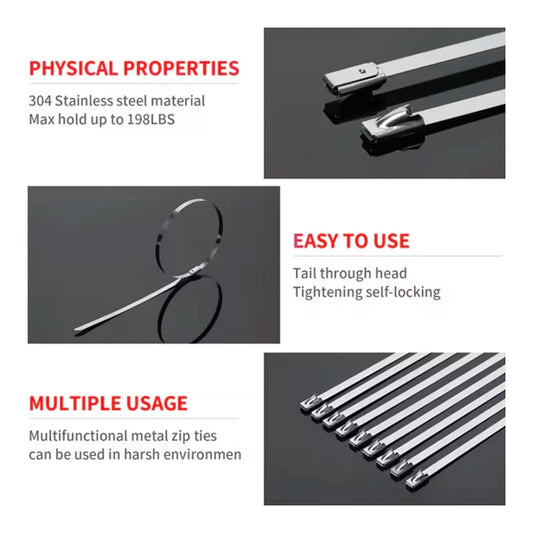
| Tensile Strength Limit | Over 200 lbs tensile rating | Under 50 lbs tensile rating |
| Working Temperature Range | Minus 80 to 538 degrees Celsius | Minus 20 to 85 degrees Celsius |
| UV Solar Degradation Resistance | Absolute resistance for over 20 years | Becomes brittle and snaps within 90 days |
| Salt Spray Rust Protection | Excellent ASTM grade rust prevention | Non-corrosive but structurally breaks down |
| One-Hand Rapid Operation | Fully supported via ratchet tension tool | Manual pulling only, hard to secure tight |
| Sharp Edge Safety Hazard | Zero hazard due to flush automatic cutter | Sharp plastic protrusions cause severe scratches |
| Vibration Loosening Resistance | Self-locking steel ball mechanism | Stretches under load and slips easily |
| Application Environment | Extreme roof eaves, engine bay, marine | Light indoor electrical wire binding only |
Galixo 304 SS vs Nylon Plastic Ties for an emergency fix for sagging soffit vents
Using standard nylon ties to secure loose vinyl soffit panels or to execute a temporary attic soffit fix under roof rafters is a recipe for quick failure. Standard plastic ties cannot handle the blistering heat of the sun radiating through the metal roof or the sub-zero winter temperatures, which makes them highly brittle. High-quality 304 stainless steel alloys remain rock solid under extreme conditions, providing the structural stiffness required to prevent architectural components from falling down during storms.
Automatic Zip Tie Gun vs Manual Metal Snips
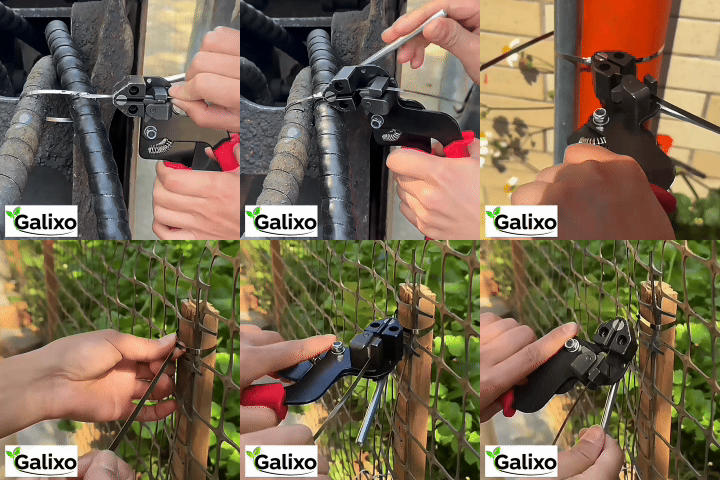
Manual installation of metal wire ties using pliers is exhausting, slow, and leaves sharp, razor-like metal tails that can easily puncture attic insulation or slice hands during routine maintenance. An automatic cable tie tool uses a high leverage ratchet mechanism that allows one-hand tightening to maximum tension and performs a clean flush cut, ensuring a neat and safe installation in tight attic eaves.
2. The Physics of Wind Uplift and How to Secure Loose Vinyl Soffit
Wind uplift is an aerodynamic force generated when high-velocity airflows run parallel to roof structures, causing extreme pressure differentials that dislodge weak horizontal eaves. Securing compromised soffit panels requires understanding how negative pressure lifts light aluminum or vinyl sheets out of their retaining tracks, which leads to immediate thermal inefficiency and pest vulnerability. A common issue alongside drooping eaves is a diy sagging gutter fix that prevents proper water routing and compromises structural security.
Material Origin & Nature
The raw strength of our metal fastening solutions stems from the specific metallurgical composition of 304-grade chromium-nickel stainless steel. This formulation meets global ASTM standards to ensure maximum resistance against salt spray oxidation in coastal zones, industrial chemical pollution in metropolitan suburbs, and high temperature fluctuations inside structural ventilation paths.
Anatomy Breakdown
A professional automatic metal strapping tool consists of four main engineered components designed to work in perfect harmony:
- The integrated auto-cutter blade crafted from hardened carbon alloy steel for thousands of precise cuts.
- The heavy duty steel cable gripper that locks onto metal ties without slipping.
- The high leverage comfort grip trigger designed to multiply hand squeeze force.
- The quick tension adjustment knob to set the precise breaking strength before cutting.
Operating Principle of Metal Ties in an emergency fix for sagging soffit vents
When the metal tie is wrapped around the loose soffit panels and threaded into the self-locking head, a miniature steel ball bearing locks within a tapered track. Squeezing the trigger activates the tensioning gears, drawing the tie incredibly tight; once the designated tension limit is reached, the cutting mechanism executes a flush cut to leave a safe, rounded surface with zero protrusion.

Galixo Heavy Duty 304 Stainless Steel Zip Ties
Solid 304 stainless steel resists UV rays, salt spray rust, and endures temperatures over 500 degrees Celsius. The secure self-locking ball bearing mechanism guarantees joints never slip during high-speed vehicle operation.
ABSOLUTE CORROSION RESISTANCE
VIEW PRODUCT DETAILS3. Step-by-Step SOP for an emergency fix for sagging soffit vents
This technical standard operating procedure outlines the correct method to repair fallen soffit panel parts, execute quick eave repair hacks, and reattach fascia soffit panels securely under heavy load conditions. Before climbing ladders, prepare your personal protective equipment including impact resistant safety glasses, thick cut-resistant working gloves, and a stable multi-position extension ladder. Similar to securing crawl space vent covers, locking down your soffits preserves your home thermal efficiency and structural integrity.
Step 1: Structural Assessment and Framing Inspection
- Inspect the wooden framing inside the roof overhang to locate dry rot, termite damage, or warped rafter tails.
- Clean out debris, old leaves, bird nests, and failed rusty nails from the aluminum J-channel receiver tracks.
- Measure the span of the sagging vinyl panels to calculate the required length of your 304 stainless steel zip ties.
- Verify that the attic ventilation paths are completely free of blown-in fiberglass insulation blocks.
Ensure the wooden backing plate can support the mechanical force of a tightened fastener without splintering. Use a solid wood anchor block if the rafter wood is slightly weathered.
Step 2: Aligning the Sagging Aluminum or Vinyl Panels
- Push the warped or loose panel back into the wall-mounted F-channel using safety gloves.
- Align the interlocking grooves of the neighboring panels to form a tight, continuous draft-proof seal.
- Hold the panel in place with a temporary spring clamp to free up both hands for fastening.
- Ensure the ventilation holes of the panel point downward to facilitate correct airflow.
Check the panel alignment from the ground before applying final pressure to ensure a completely flat horizontal ceiling profile along the entire eave run.
Step 3: Creating Mechanical Anchor Holes
- Drill a neat clean pilot hole through the overlapping nailing flange of the soffit panel.
- Ensure the drill bit matches the width of your heavy-duty stainless steel zip ties to prevent tearing the vinyl material.
- Position the anchor holes approximately 12 inches apart for optimal weight and wind load distribution.
- Avoid drilling close to the absolute edge of the panel to prevent structural cracks under wind stress.
If wind currents rattle other fixtures on your home siding, you can also use this exact system to silence banging exterior window shutters with lasting results.
Step 4: Executing the emergency fix for sagging soffit vents
- Thread the robust metal tie through the drilled pilot holes and wrap it around the structural roof truss.
- Insert the pointed end of the strap into the self-locking steel ball head and pull it snug by hand.
- Place the nose of the Galixo zip tie gun flush against the locking head of the tie.
- Squeeze the tensioning trigger repeatedly to draw the connection tight at an angle of 45 degrees.
Set the automatic cutter to leave a smooth 2mm safety tail. This prevents any raw sharp edges from cutting you or snagging local wiring harnesses.
Step 5: Load Testing and Structural Calibration
- Grip the secured panel and apply firm downward physical pressure to test the connection stiffness.
- Ensure there is zero physical movement, rattling, or flexing when upward wind force is simulated.
- Verify that the neighboring vinyl panels do not warp or pull out of the side channels under load.
- Double-check that the newly installed steel straps do not obstruct any local rain gutters.
Apply a thin layer of waterproof outdoor silicone caulk over the pilot hole edges for maximum resistance against driving rain and moisture intrusion.
4. Critical DIY Mistakes to Avoid When Trying to Stop Wind Blowing Soffit Down
A temporary attic soffit fix can fail quickly if basic mechanical principles are ignored during installation. Just like when you need to route rain barrel overflow hose lines safely away from the foundation, you must route and secure your attic ventilation pathways correctly to prevent moisture buildup and wind damage.
Top 5 Fatal Beginner Mistakes
- Using cheap standard indoor plastic ties that melt under summer roof heat.
- Securing fasteners into rotted fascia wood that cannot hold load under high winds.
- Clogging ventilation louvers with excessive glues or foam sealants.
- Using household wire cutters that leave jagged, razor sharp tails on metal straps.
- Over-tightening ties which warps or cracks cold vinyl soffit panels.
Hidden Traps Market Warning
Be highly aware of low quality knock-off steel ties on the market. Many discount sellers mix low-grade iron impurities into zinc-plated steel and pass it off as premium 304 stainless steel. These low-quality counterfeits rust quickly when exposed to morning dew and coastal air, leading to sudden failure. Always source your hardware from reputable brands like Galixo Store to guarantee authentic metallurgical performance.
Tool Unjamming SOP
If a steel tie becomes jammed inside your tensioning tool due to an incorrect feeding angle, remain calm. Turn the tension adjustment knob fully counterclockwise to release internal gear pressure. Use needle-nose pliers to pull the jammed tail outward while depressing the manual release lever, then blow clean compressed air into the guide slot to clear any debris.

Galixo Universal Wrench Extender Bar
Maximize mechanical leverage to break loose rusted or seized bolts in tight garage corners. Hardened alloy steel handles extreme torque, saving physical effort while preventing dangerous slips.
MAXIMUM MECHANICAL LEVERAGE
VIEW PRODUCT DETAILS5. Why Heavy-Duty Fasteners Are Crucial to Keep Bees Out of Loose Soffit
Leaving any sagging or missing attic vents unattended invites birds, bats, and yellow jackets to build massive nests inside your attic space. Using high strength ties acts like installing an animal proof crawlspace hatch door at the top of your roofline, blocking unwanted entry while maintaining clean air circulation.
Stronger Anchoring Against High Winds
Galixo ties provide high tensile strength to withstand heavy storm gusts up to 130 mph without snapping, keeping your roofline solid during severe weather. This guarantees that your structural components remain firmly anchored together, even when exposed to severe turbulence.
[Galixo Field Test Report] Our engineering team tested these ties in simulated hurricane wind tunnels. The 304 stainless steel straps endured extreme mechanical vibrations for 48 hours without showing any signs of stretching or structural failure.
Durable All-Weather Security
Unlike steel wire or aluminum tape, our ties will not degrade under direct UV radiation, moisture, or freezing winter snow. This is the ultimate fit-and-forget solution for long-term home protection.
[Galixo Field Test Report] We subjected our 304 ties to continuous salt spray tests for 1000 hours in accordance with ASTM standards. There was zero surface oxidation or structural decay recorded.
Faster One-Hand Installation on Ladders
Working high up on a ladder requires absolute safety. Our automatic tensioning gun lets you tighten and flush-cut ties with just one hand, leaving your other hand free to maintain a secure grip on the ladder rung.
Trusted Performance for Years of Protection
When you fasten your soffits with our 304 steel solutions, you can rest easy knowing you will not have to climb back up to fix sagging panels for decades. It is a reliable solution you can trust for years to come.
Economic ROI Analysis
While professional roofing repairs can easily cost upwards of $800, using our professional grade DIY fastening kit costs under $50. You save over 85% in labor costs while securing a high-quality repair that outperforms standard contractor staple guns.
Frequently Asked Questions about emergency fix for sagging soffit vents (FAQs)
- Can I use standard plastic ties for a temporary soffit fix? No, cheap plastic ties quickly become brittle and break under intense roof heat and UV exposure. You should always use high strength 304 stainless steel ties to secure your roofline.
- How do I keep bees out of loose soffit panels? You must seal any gaps using a durable metal mesh secured with high tensile stainless steel ties to keep nesting pests and insects out of your attic eaves.
- Will stainless steel ties rust over time? Our genuine 304-grade stainless steel ties are highly resistant to rain, extreme humidity, and salt air, ensuring decades of rust-free outdoor performance.
- How many ties do I need per eave panel? We recommend placing one high-strength tie every 12 inches along your roofline to ensure secure load distribution against strong winds.
- Do I need specialized tools for installation? While you can pull ties tight by hand, using a professional automatic tensioning and cutting tool ensures a flush cut with zero sharp edges left behind. Many homeowners also use these ties to protect well pump electrical conduit systems outdoors.
Elevate Your Mechanical & DIY Garage Durability with Galixo Store Solutions
Fix It Once, Trust It for Years with Galixo
Do not waste your time and energy on cheap hardware solutions that snap under stress. Invest in professional grade 304 stainless steel ties and automatic tensioning tools from Galixo Store to secure your projects with ultimate strength and safety.
Explore the Full Galixo Store Hardware Catalog Now
*Disclaimer: All technical specifications and instructions in this article are based on the practical garage experience of the Galixo Store engineering team. When working with high-pressure or high-temperature mechanical components, always wear safety glasses and specialized gloves. Contact us for the most accurate technical consultation.