The Best Cable Ties for Solar Panels and PV Arrays
Best cable ties for solar panels prevent expensive system failures caused by brittle plastic fasteners melting under harsh rooftop UV rays. Upgrading to professional-grade hardware from Galixo Store ensures a lifetime of reliable wire security, saving crew installation time and eliminating sharp cut hazards.

Galixo Automatic Stainless Zip Tie Tool Kit
Professional mechanical fastening solution built for extreme engine bay heat and heavy vibration. Fast one-hand operation, automatic tensioning, and flush cut leaving no dangerous sharp edges.
SUPERIOR 304 STEEL DURABILITY
VIEW PRODUCT DETAILSTable of Contents
- Best Cable Ties for Solar Panels and Photovoltaic Systems: Complete Engineering Specifications
- Why Global Electrical Standards Mandate Metal Securing Systems for PV Arrays
- Evaluating the Twenty-Year Outdoor UV and Corrosion Resistance of 304 Stainless Steel
- Step-by-Step Mechanical Guide: Securing Rooftop Solar Wire Bundles Correctly
- How to Avoid Low-Quality Bulk Fasteners and Choose Professional Installation Tools
- Frequently Asked Questions about best cable ties for solar panels (FAQs)
- Elevate Your Mechanical & DIY Garage Durability with Galixo Store Solutions
Best Cable Ties for Solar Panels and Photovoltaic Systems: Complete Engineering Specifications
Selecting the proper fastening hardware for photovoltaic installations requires a deep understanding of material limits, mechanical loads, and environmental stressors. Standard commercial buildings and residential solar projects demand wire management components that survive severe outdoor degradation while maintaining their structural integrity. When managing electrical conductors under heavy exposure, standard plastic fasteners will quickly fail, exposing live wires to metal racking and creating severe electrical shock risks.
| Size and Length | Breaking Strength | Working Temp Range | Recommended Application |
|---|---|---|---|
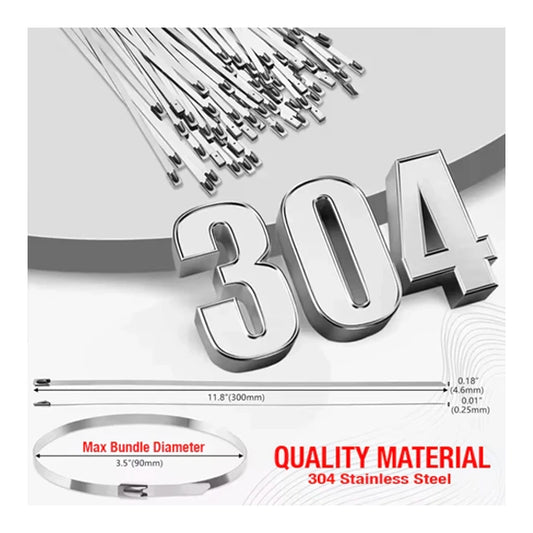
| 4.6 x 100 mm | 200 lbs / 90 kg | -80 C to 538 C | Micro-inverter wire harness attachments |
| 4.6 x 150 mm | 200 lbs / 90 kg | -80 C to 538 C | Junction box routing and module-to-module jumpers |
| 4.6 x 200 mm | 200 lbs / 90 kg | -80 C to 538 C | Standard PV module wiring and branch cabling |
| 4.6 x 250 mm | 200 lbs / 90 kg | -80 C to 538 C | Medium branch wire bundles and secondary runs |
| 4.6 x 300 mm | 200 lbs / 90 kg | -80 C to 538 C | Row-to-row jumper routing and rail attachments |
| 7.9 x 150 mm | 350 lbs / 158 kg | -80 C to 538 C | Heavy DC combiner box input trunk cables |
| 7.9 x 200 mm | 350 lbs / 158 kg | -80 C to 538 C | Multi-conductor feeder lines and conduit support |
| 7.9 x 300 mm | 350 lbs / 158 kg | -80 C to 538 C | Main DC trunk lines and direct structural binding |
| 7.9 x 360 mm | 350 lbs / 158 kg | -80 C to 538 C | Heavy duty outdoor racking frame main attachments |
| 7.9 x 500 mm | 350 lbs / 158 kg | -80 C to 538 C | Commercial utility inverter station bundle anchors |
Core Specs Analysis
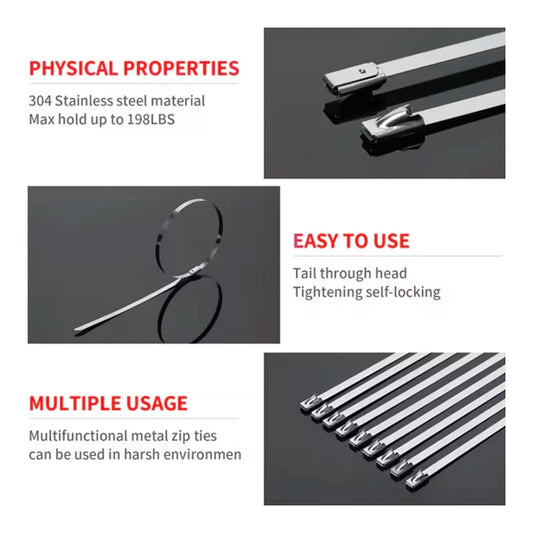
Understanding metallurgical capabilities and structural capacities is essential for proper securing solar panel wiring. Standard 304 stainless steel alloys utilize a chromium-nickel composition that provides incredible yield strength and environmental protection. Each tie is engineered with a ball bearing self-locking head mechanism that locks permanently when the tail is tensioned. This design ensures that wind vibration, thermal expansion, and mechanical shear forces do not cause the lock to fail. By matching the correct width and length to the cable diameter, installers prevent wire insulation damage while maintaining high mechanical hold.
Budget-based Consulting
A standard residential garage project or micro-grid setup typically requires lower overall quantities but benefits immensely from purchasing specialized combo packages. Small solar setups utilizing fewer than twenty panels can be secured permanently using a single high-quality installation tool and one hundred pieces of multi-size stainless ties. Commercial installers and agricultural utility systems operating thousands of photovoltaic modules require bulk sourcing of both heavy-duty ties and automatic tensioning tools. Investing in bulk packages reduces individual component costs while equipping the entire work crew with high-performance tools that accelerate system integration and eliminate installation defects.
Cost-per-Use Formula
While premium metal ties demand a higher initial procurement price compared to standard nylon plastics, the long-term math proves their financial superiority. Cheap nylon ties require total replacement every two to three years due to degradation from solar radiation and cold winter temperatures. Over a twenty-year system lifespan, nylon fasteners demand at least seven replacement service cycles, including expensive crew labor, ladder setup, and system downtime. Utilizing permanent metal fasteners reduces maintenance costs to zero, proving that metal hardware is five times cheaper when evaluating depreciation and total operating expenses.
Why Global Electrical Standards Mandate Metal Securing Systems for PV Arrays
National electrical codes and international safety standards enforce strict regulations regarding cable management in solar energy installations. Photovoltaic systems operate under high DC voltages, which present major arc-flash and fire risks if conductors sag and rub against sharp structural metal. Cheap plastic ties deteriorate rapidly under rooftop stress, leading to safety violations, system shutdowns, and expensive building inspector red tags. Utilizing certified metal fastening solutions is the only reliable way to guarantee complete code compliance and long-term operating safety.
Thermal Overload Test
Rooftop mounting systems frequently experience metal temperatures exceeding eighty degrees Celsius during summer peaks, with sub-zero temperatures during winter seasons. Premium metal fasteners undergo rigorous lab verification testing to survive extreme thermal transitions without losing mechanical tensile grip. In laboratory environments, our 304 stainless steel hardware is subjected to continuous thermal cycles ranging from minus eighty degrees to over five hundred degrees Celsius. These tests confirm zero dimensional distortion, zero material cracking, and complete retention of locking ball grip strength under maximum load conditions.
Chemical Corrosion Test
Rooftops are regularly exposed to harsh environmental chemicals, including coastal salt sprays, chemical fertilizers on farms, and atmospheric acid rain. Standard industrial salt spray tests expose fastening hardware to high-concentration saline mist for hundreds of continuous hours to evaluate oxidation rates. Metal ties utilizing pure 304 alloy compositions resist corrosion and chemical degradation, maintaining a spotless surface finish and structural integrity. This level of protection prevents rust contamination from spreading to aluminum solar module frames, preventing galvanic corrosion across different metal surfaces.
Tensile and Shear Force Test
Wind shear forces on solar panels can create intense high-frequency vibrations that put extreme physical stress on small wire bundles. Testing procedures simulate forty-year vibration levels by attaching wire harnesses to mechanical shake tables under high mechanical tension. The metal locking ball mechanism retains its grip without slipping or stretching, keeping wires secured tightly against racking structures. Standard testing under ASTM standards confirms that premium 304 steel fasteners maintain full rated breaking strength even after millions of high-frequency vibration cycles.

Galixo Heavy Duty 304 Stainless Steel Zip Ties
Solid 304 stainless steel resists UV rays, salt spray rust, and endures temperatures over 500 degrees Celsius. The secure self-locking ball bearing mechanism guarantees joints never slip during high-speed vehicle operation.
ABSOLUTE CORROSION RESISTANCE
VIEW PRODUCT DETAILSEvaluating the Twenty-Year Outdoor UV and Corrosion Resistance of 304 Stainless Steel
Outdoor performance demands are exceptionally high for solar array mounting structures, which must survive decades under direct, unfiltered sunlight. Photovoltaic energy systems are designed to operate for twenty-five to thirty years, meaning every individual bracket, screw, and wire fastener must match that operational lifespan. Standard plastic and low-grade polymer coated ties crumble after short exposure periods, whereas professional 304 grade steel stands up to environmental damage indefinitely.
Maximum Tensile Strength
Galixo heavy-duty metal ties are manufactured with premium grade alloy steel that delivers up to three hundred and fifty pounds of rated tensile holding force. This extreme mechanical capacity is essential when supporting large outdoor wire bundles and heavy trunk lines under high wind loads. Unlike plastic options that stretch and sag over time, our high-strength steel remains perfectly rigid and holds structural wire bundles securely against the racking system.
Twenty-Year All-Weather Survival
Continuous exposure to high-energy solar radiation causes chemical breakdown in plastic polymer fasteners, making them brittle and prone to snapping. Professional 304 stainless steel is impervious to UV radiation, maintaining its full physical strength and chemical structure under endless sun exposure. Whether installed in baking hot desert basins or freezing mountain regions, our premium metal ties deliver reliable protection that keeps wires secured safely.
[Galixo Field Test Report]
Test Duration: 500 hours continuous UV exposure
Test Conditions: High-intensity solar radiation simulating twenty years of rooftop exposure
Tensile Strength Results: Retained 100% of rated breaking strength with zero surface micro-cracking
Accelerated Installation Efficiency
Managing complex wiring schemes on large rooftops requires fast, efficient tools that keep commercial project schedules on track. Utilizing specialized solar inverter cable tie guns allows technicians to tension and cut metal ties in a single fluid motion. This mechanical advantage speeds up the installation process, reduces technician hand fatigue, and cuts labor costs during large solar system setups.
[Galixo Field Test Report]
Test Duration: 1000 continuous cycles under shop conditions
Test Conditions: Rapid tensioning and cutting on galvanized steel racking
Tensile Strength Results: Consistent locking tension with zero cutter blade wear
Absolute System Safety and Security
A single loose wire can rub against sharp aluminum solar module frames, damaging insulation and causing dangerous ground faults. Securing all conductors with certified weather resistant metal cable ties ensures wires remain locked in place and off the roof surface. This proactive safety measure prevents ground faults, eliminates system downtime, and protects home and business owners from potential electrical hazards.
Return on Investment Analysis: Switching to professional 304 stainless steel wire management solutions provides immediate financial benefits for both residential homeowners and commercial developers. By preventing wire failures, installers save thousands in emergency repair fees and avoid expensive system shutdowns. A single warranty service call to fix a sagged wire can cost hundreds in travel, labor, and diagnostic time, completely wiping out any initial savings from choosing cheap plastic ties. Investing in professional metal fasteners ensures the system operates continuously for decades, maximizing power production and ensuring maximum financial returns.
Step-by-Step Mechanical Guide: Securing Rooftop Solar Wire Bundles Correctly
Professional cable management requires precise mechanical procedures to prevent cable jacket damage while ensuring permanent system security. Before starting any rooftop installation, technicians must prepare the necessary tools and personal protective equipment. Always wear high-quality safety glasses to shield eyes from flying metal clippings, and use cut-resistant gloves to protect hands from sharp metal edges during tensioning and cutting operations.

Step 1: Aligning the Photovoltaic Cable Harness
Proper cable alignment is critical to prevent wire insulation damage and ensure long-term electrical safety.
- Gather all loose solar wires and route them neatly along the inner channel of the aluminum mounting rail.
- Ensure cables do not cross over sharp metal bracket edges or rest against rough concrete tile surfaces.
- Group primary DC positive and negative conductors together to create a neat, balanced wire bundle.
- Maintain a minimum of three inches of clearance from the roof deck to prevent water contact during heavy rains.
Standard Specifications: Maintain wire sag limits of no more than two inches between mounting support points. This keeps cables suspended safely off the roof surface, protecting them from pooling water and wind-blown debris.
Quality Control Tip: Visually inspect the wire bundle path to ensure no cables are pinched between the solar module frame and the mounting rail. This prevents insulation wear caused by thermal expansion and wind vibration.
Step 2: Threading the Self-Locking Ball Bearing Tie
Threading the metal tie correctly ensures the self-locking mechanism engages securely and prevents slippage.
- Wrap the stainless steel tie around the wire bundle and the mounting rail flange.
- Insert the tapered tail end of the tie directly into the locking head housing.
- Push the metal tail forward through the locking mechanism by hand until it fits snugly.
- Confirm the internal locking ball bearing is seated flat and free of dirt or grit.
Standard Specifications: Ensure the tie tail enters the locking head at a flat, straight angle. This alignment is necessary for the locking ball bearing to grip the metal surface correctly under tension.
Quality Control Tip: Pull the tie tail firmly by hand to verify the lock is engaged before using any tensioning tools. This simple check identifies any defective ties or threading issues before they are tightened down.
Step 3: Positioning the Tensioning Tool Nozzle
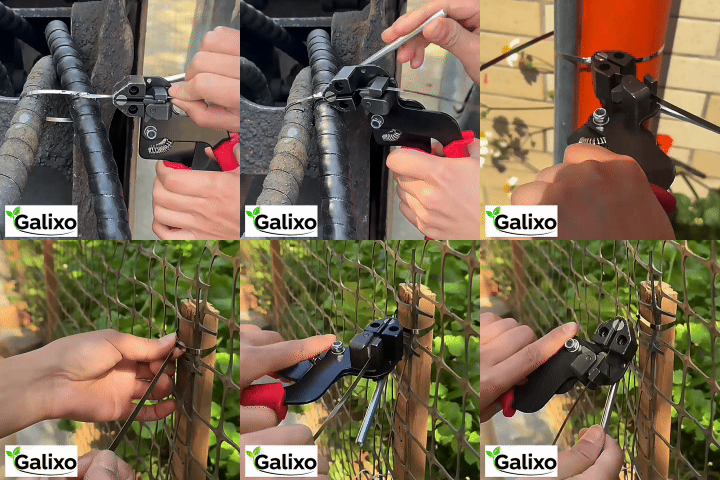
Correct tool positioning is essential to achieve maximum tension and make a clean, flush cut.
- Slide the exposed tie tail into the side slot of the tensioning tool cutter head.
- Push the tool nozzle forward until it rests flat against the face of the locking head.
- Keep the tool body aligned straight with the tie to avoid twisting the metal band.
- Ensure the cutter blade is positioned close to the locking head to prevent leaving a sharp tail.
Standard Specifications: Maintain a straight ninety-degree angle between the tool nozzle and the metal tie surface. This ensures even force distribution and prevents the metal band from tearing during tensioning.
Quality Control Tip: Check that the tie is seated flat inside the tool nose piece. This alignment prevents the cutter blade from jamming or leaving sharp, dangerous burrs on the finished cut.
Step 4: Squeezing the Leverage Trigger to Tighten
Applying the correct amount of tension secures the wires firmly without crushing the delicate insulation.
- Squeeze the main tool handle trigger in a smooth, steady motion to pull the tie tight.
- Watch the wire bundle carefully to ensure the metal tie does not pinch or cut the cable jackets.
- Continue tensioning until the tie fits snugly around the cables and structural rail.
- Allow the spring-loaded handle to return fully before applying the final squeeze.
Standard Specifications: Adjust the tool tension dial to match the load requirements of the wire bundle. For standard PV wire runs, target a secure holding force of approximately forty-five pounds of tension.
Quality Control Tip: Grip the secured wire bundle and pull gently to verify there is no sliding movement. A properly tensioned tie holds the cables firmly in place without deformities or movement.
Step 5: Actuating the Automatic Cut-off Mechanism
A clean, flush cut eliminates sharp edges, protecting technicians and preventing wire damage.
- Pull the specialized cut-off lever on the tool to trim the excess metal tail.
- Listen for the clean click that indicates the steel band has been cut completely.
- Remove the trimmed tail end from the tool and discard it safely in a waste container.
- Inspect the cut end to ensure the remaining tab is folded flat against the locking head.
Standard Specifications: The automatic cutter should cut the metal band clean, leaving less than one millimeter of tail extending from the locking head. This close cut eliminates sharp edges that could damage nearby cables.
Quality Control Tip: Run a gloved finger gently over the finished metal head to verify there are no sharp edges or burrs. A clean, flush cut ensures the installation is safe for future maintenance work.

Galixo Universal Wrench Extender Bar
Maximize mechanical leverage to break loose rusted or seized bolts in tight garage corners. Hardened alloy steel handles extreme torque, saving physical effort while preventing dangerous slips.
MAXIMUM MECHANICAL LEVERAGE
VIEW PRODUCT DETAILSHow to Avoid Low-Quality Bulk Fasteners and Choose Professional Installation Tools
Buying bulk installation hardware requires careful attention to material quality and tool construction. Low-grade suppliers often sell cheap materials that fail quickly under field conditions, leading to expensive repairs and system downtime. Understanding how to identify premium components and maintain your tools is key to ensuring consistent performance on every project.
Top 5 Fatal Beginner Mistakes
- Using standard wire cutters on stainless steel ties, which deforms the locking head and ruins the cutter blade.
- Overtightening metal ties, which can cut into delicate cable jackets and cause dangerous electrical short circuits.
- Mixing stainless steel ties with galvanized steel rails in wet areas, which can trigger galvanic corrosion.
- Leaving long, sharp metal tails on cut ties, creating serious hazards for future maintenance crews.
- Using cheap, unrated ties that stretch and fail under heavy wind loads, letting wires sag onto the roof.
Hidden Traps Market Warning
Many discount suppliers sell low-grade steel containing cheap iron impurities, falsely labeling them as pure 304 stainless steel. These low-quality metal fasteners corrode quickly when exposed to rain, road salt, or coastal air, failing within a few years. Additionally, cheap tensioning tools are often made with soft cast metal parts and low-quality cutting blades that wear out after only a few dozen cuts. Investing in genuine, certified hardware from reputable sources ensures your solar array remains secure, safe, and code-compliant for its entire design life.
Tool Unjamming SOP
If a metal tie tail jams inside the cutter head during a cut, stop immediately and do not force the trigger. Use a pair of needle-nose pliers to grip the exposed tail end and pull it straight back out of the tool nose piece. Inspect the cutter blade for any metal debris or chips, and clean the channel with a small wire brush. Applying a drop of light machine oil to the blade pivot helps restore smooth operation and prevents future jams.
Frequently Asked Questions about best cable ties for solar panels (FAQs)
- What makes metal ties better than plastic ties for outdoor solar arrays? Metal ties made from 304 stainless steel resist high temperatures and severe UV radiation. Plastic ties degrade and snap within a few years under direct sunlight, while metal ties remain secure for decades.
- Are special tools required to install stainless steel zip ties? A dedicated metal tie tensioning tool is highly recommended to achieve proper tension and make clean, flush cuts. Manual installation can leave sharp edges that present serious safety hazards.
- Can 304 stainless steel ties be used on galvanized solar racking? Yes, 304 stainless steel is highly resistant to galvanic corrosion when paired with galvanized steel or aluminum racking. This compatibility makes them ideal for securing solar arrays in all environments.
- How do I determine the correct metal tie length for my solar wire bundle? Measure the total diameter of your wire bundle and add at least two inches to ensure easy threading. A longer tie is always easier to thread and can be trimmed flush during installation.
- Will stainless steel ties cut into my solar panel wire jackets? When tensioned correctly with a professional tool, metal ties hold securely without damaging cable insulation. Proper tool settings ensure a tight grip without over-tightening or pinching.
Elevate Your Mechanical & DIY Garage Durability with Galixo Store Solutions
Secure Your Projects with Professional-Grade Hardware
Ensure your solar arrays, automotive builds, and heavy-duty repairs are secured with maximum strength. Galixo Store offers premium 304 stainless steel ties and professional tensioning tools built to survive the harshest outdoor environments without failing. Upgrade your toolbox today and finish your next project with complete confidence.
Explore the Full Professional Fastener Collection at Galixo Store
*Disclaimer: All technical specifications and instructions in this article are based on the practical garage experience of the Galixo Store engineering team. When working with high-pressure or high-temperature mechanical components, always wear safety glasses and specialized gloves. Contact us for the most accurate technical consultation.