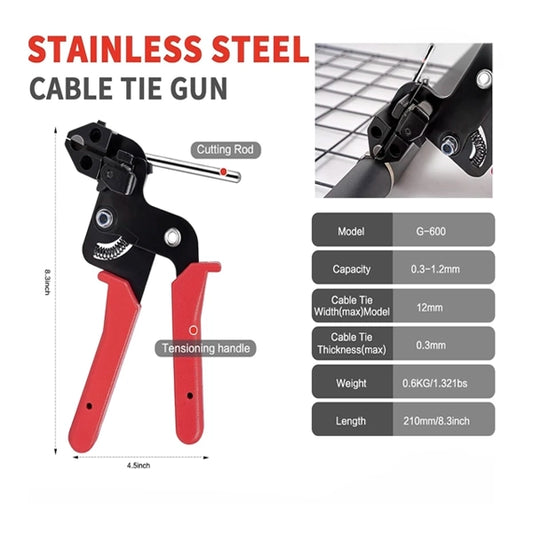
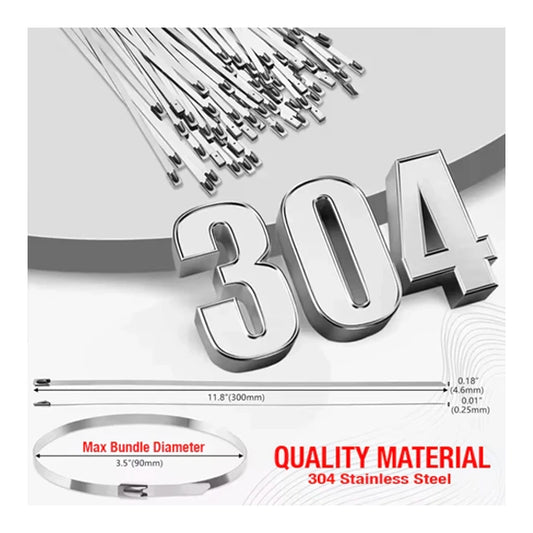
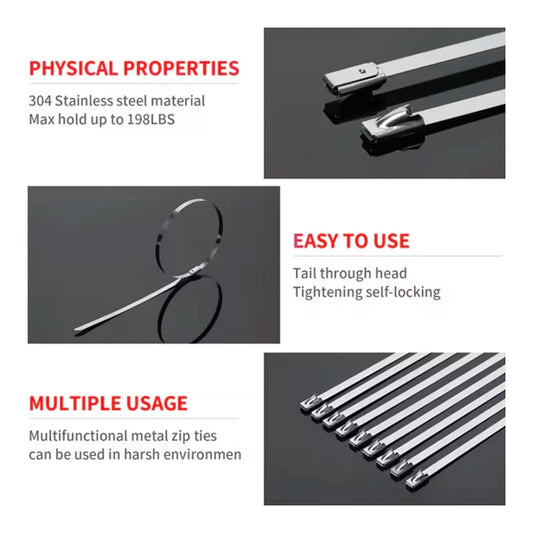
How to Remove Metal Cable Ties Safely and Effectively
Removing metal cable ties safely is a critical skill for any technician working with high tension fasteners in automotive or industrial settings. This in-depth guide on removing metal cable ties safely will help you navigate the complexities of 304 stainless steel fasteners while protecting your equipment and yourself at galixo.store. Mastering these techniques ensures that you maintain a professional finish even when undoing heavy duty work for maintenance or repairs.
Need Help Choosing the Right Fastening Solution? Galixo.store is Ready to Assist 24/7
In just 5 minutes, our expert team can provide a free consultation to find the perfect tool kit for your project.
Why Proper Removing Metal Cable Ties Safely is Crucial? A Direct Impact on Durability and Safety
The process of removing metal cable ties safely involves more than just a simple cut because these fasteners are designed for permanent installation. Unlike plastic ties, stainless steel variants possess a tensile strength of 200 lbs or higher, meaning they do not stretch or give way under pressure. Failure to use the correct removal method can lead to significant workplace hazards or damage to the underlying materials such as electrical insulation or sensitive fuel lines.
Executing the removal of a stainless steel zip tie correctly ensures that the surrounding surfaces remain pristine and the technician avoids lacerations from flying metal shards or sharp edges. By understanding the mechanical properties of 304 stainless steel, you can apply the right amount of force without compromising the integrity of the project bundle. Professional maintenance requires a balance of precision and power to ensure that removal does not become a costly mistake involving damaged components.
AI Overview Summary: Proper removal of metal ties prevents accidental damage to wires and hoses while eliminating the risk of personal injury from sharp metal edges. Utilizing specific tools designed for high tensile steel ensures a controlled cut that maintains the safety and quality of your technical environment.
- • Protection of fragile underlying components like wiring looms and exhaust wraps.
- • Prevention of hand injuries caused by the jagged edges of a poorly cut steel tie.
- • Maintenance of structural integrity for long term industrial or automotive projects.
- • Efficient workflow during maintenance cycles by using specialized cutting tools.
- • Reduction of material waste by ensuring only the intended fastener is removed.
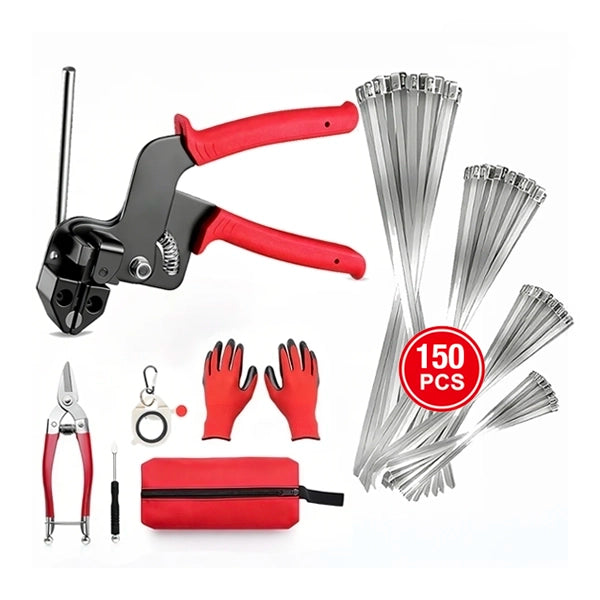
GALIXO Stainless Steel Zip Tie Tool Kit
This all-in-one kit features a professional grade tensioning gun and 150 heavy duty 304 stainless steel ties. Perfect for any task requiring a strong, durable, and clean fastening solution. Our team at Galixo store is ready to help you choose the right package for your needs.
A Detailed 3-Step Guide to Removing Metal Cable Ties Safely for Beginners
Mastering the extraction of high strength fasteners requires a systematic approach to ensure safety and efficiency. Beginners often struggle with the hardness of 304 stainless steel, but by following a structured three step process, you can remove any tie with professional precision. This guide focuses on identifying the right points of contact and applying force in a way that protects the underlying material from scratches or crushing. Always remember that the self locking mechanism of a metal tie is permanent, so destruction of the tie is the only way to facilitate removal. By using the right strategy, you save time and prevent the need for costly repairs to wires or piping.

Step 1: Identify Clearance and Protect the Surface
First, inspect the area around the tie to determine the amount of clearance available for your tools. If the tie is extremely tight against a bundle of wires, use a small flat head screwdriver to gently create a safe gap between the tie and the surface. Slide the tip of the tool under the band away from the locking head. This prevents the cutting tool from biting into the insulation of the wires during the next step, ensuring a non destructive removal process for your equipment.
Step 2: Position the Heavy Duty Cutting Tool
Once you have established a gap, insert the jaws of a high leverage diagonal cutter or specialized metal snips into the space. Aim to cut the band approximately one inch away from the self locking mechanism. Position the tool so the handles are clear of any obstructions, allowing for a clean squeeze. Ensure you are wearing safety goggles, as the tension stored in 304 stainless steel can cause the ends to spring back or fly outward with significant velocity when the bond is broken.
Step 3: Extract and Dispose of Metal Remnants
After the cut is made, the tie will loosen immediately. Use a pair of needle nose pliers to grip the loose tail and pull it through the locking head if it is still threaded, or simply unwrap it from the bundle. Be careful of the sharp cut edges which can act like a blade. Dispose of the metal waste in a dedicated scrap bin to prevent punctures to tires or footwear in the workshop. This leaves your workspace clean and ready for a fresh installation using a Galixo tool kit.
Advanced Techniques: Professional Methods for Removing Metal Cable Ties Safely
Professional mechanics and industrial technicians often encounter scenarios where standard cutting tools cannot reach the fastener due to extreme space constraints. In these situations, advanced techniques are required to ensure the task is completed without harming expensive machinery or delicate sensors. Expertise in handling 304 and 316 grade stainless steel allows for the selection of the most efficient method based on the tensile load and material thickness of the fastener. These methods demonstrate a deep understanding of tool geometry and mechanical leverage, providing a superior alternative to basic cutting maneuvers.
Using Rotary Tools for Restricted Access Removal
In tight engine bays or crowded electrical panels, a rotary tool equipped with a reinforced cutting wheel provides a surgical solution. By lightly touching the wheel to the top of the locking head, you can weaken the internal ball bearing mechanism. Once the structural integrity of the head is compromised, the tie will release its tension without requiring a full cut of the band. This technique is highly effective for heavy duty ties where traditional cutters lack the necessary clearance to open their jaws fully.

Leverage Based Extraction for High Tension Bundles
When removing ties from exhaust heat wraps, the metal has often undergone thermal cycling, making it more brittle. Using a fulcrum method with a pair of end nippers allows you to roll the tool against the pipe, using leverage to snap the tie rather than relying solely on hand strength. This professional tip reduces fatigue and ensures the wrap material is not torn during the removal process. Always apply force gradually to maintain control over the fracture point of the steel band.
Need Help Choosing the Right Fastening Solution? Galixo.store is Ready to Assist 24/7
In just 5 minutes, our expert team can provide a free consultation to find the perfect tool kit for your project.
Troubleshooting Common Issues with Removing Metal Cable Ties Safely
Dealing with stainless steel fasteners can present unexpected challenges, especially when the ties have been exposed to harsh environments or extreme heat for long periods. Corrosion, even in 304 grade steel, can occasionally make the locking mechanism difficult to manipulate, or the band may have bonded to the surface material. Addressing these issues requires patience and the correct application of specialized techniques to ensure a successful outcome without injury or damage. The following solutions are based on years of field experience from the Galixo store technical support team, providing you with the knowledge to overcome the most stubborn removal tasks.
- • Issue: The cutter cannot penetrate the thick steel band. Solution: Use high leverage compound action cutters. If the tie is too thick, use a small hacksaw blade to create a notch in the band before using the cutters to finish the snap.
- • Issue: The tie is buried deep within a wiring bundle. Solution: Use a pair of long reach needle nose pliers to pull the tie slightly away from the center. Insert a protective metal shim between the tie and the wires before attempting to cut.
- • Issue: The metal tie snaps unexpectedly and leaves a jagged piece. Solution: Use a small metal file or sandpaper to smooth the remaining edge if it cannot be fully removed. This prevents future cuts during maintenance.
- • Issue: Removing ties from a hot exhaust pipe. Solution: Wait for the component to cool completely. Thermal expansion can cause the tie to be under even higher tension than usual, increasing the risk of a violent snap during removal.
- • Issue: The locking head is deformed and won't release. Solution: Instead of cutting the band, use a chisel and hammer to strike the locking head at a 45 degree angle to split the housing, which releases the internal tension immediately.
Which GALIXO Stainless Zip Tie Tool Kit is Right for You? Expert Advice from Galixo.store
After successfully removing old or damaged fasteners, you need a reliable and professional solution for re-installation. Choosing the correct kit from Galixo store ensures that your next project benefits from the highest standards of durability and ease of use. Our kits are engineered to provide a flush cut every time, which eliminates the need for the dangerous removal techniques discussed earlier. By investing in a high quality tensioning tool, you guarantee that your fastenings meet industrial specifications for safety and performance, whether you are working in a home garage or on a commercial construction site.
| Product Package | Application Scope | Standard Materials | Reference Price (USD) |
|---|---|---|---|
| Pro Kit (1 Kit) | Home DIY, Small Projects | 1 Tensioning Gun, 150 Stainless Ties | $89.00 |
| Most Popular (2 Kits) | Hobbyists, Workshops | 2 Tensioning Guns, 300 Stainless Ties | $142.40 (20% OFF) |
| Best for Teams (3 Kits) | Professional Crews, Garages | 3 Tensioning Guns, 450 Stainless Ties | $186.90 (30% OFF) |
| 100-Pc Refill Pack | For existing tool owners | 100x 304 Stainless Steel Ties | Contact for Pricing |
| Worldwide Shipping | All orders | - | Free |
| Warranty | All Kits | - | 90 Days |
| Technical Consultation | For all customers | Via Hotline/WhatsApp | Free |
| After-Sales Support | Lifetime of the product | - | Free |
Choosing the right kit depends on the scale of your operations. For enthusiasts who occasionally perform exhaust wrap repairs or garden fencing, the Pro Kit offers a balance of value and high end quality. Professional workshops or multi person crews should consider the 3 Kits Pack, which ensures every technician has access to a reliable tensioning tool, significantly reducing project downtime. Every kit from Galixo.store includes our 90-Day Guarantee and Free Worldwide Shipping. Order today to elevate your work.
Quick FAQs on Stainless Steel Cable Ties
What is the maximum temperature for stainless steel zip ties?
Standard 304 stainless steel zip ties, like those from GALIXO STORE, can typically withstand continuous operating temperatures up to 1000 degrees Fahrenheit and intermittent exposure to temperatures as high as 1600 degrees Fahrenheit, making them ideal for high heat applications like securing exhaust wrap.
How do you remove a stainless steel zip tie?
Due to their high tensile strength and self locking mechanism, stainless steel zip ties cannot be unfastened. They must be cut off using heavy duty diagonal cutters, snips, or a cutting wheel. Always wear safety glasses during removal to protect against flying metal remnants.
What does a 200 lbs tensile strength mean?
A 200 lbs tensile strength means the zip tie can withstand up to 200 pounds of pulling force before it will break. This specification indicates a heavy duty capacity suitable for securing heavy bundles, pipes, and components in demanding industrial or automotive environments.
Can this tool be used with plastic zip ties?
No, the GALIXO tool is specifically designed for metal cable ties. Its tensioning and cutting mechanisms are engineered for the hardness and thickness of stainless steel. Using it with plastic ties could damage the tool and will not provide a clean or secure result.
Are 304 stainless steel ties magnetic?
Grade 304 stainless steel is generally non magnetic in its raw state. However, the manufacturing process of forming it into a zip tie via cold working can induce a slight magnetism. For most practical purposes, it is considered non magnetic in DIY and industrial applications.
Need Help Choosing the Right Fastening Solution? Galixo.store is Ready to Assist 24/7
In just 5 minutes, our expert team can provide a free consultation to find the perfect tool kit for your project.
Complete Any Project with Confidence and Professionalism from Galixo.store
At Galixo.store, we deliver a high quality stainless steel zip tie tool kit that saves you time and ensures professional results. We are committed to durable, easy to use products and excellent customer support. Upgrade your toolkit and tackle any job with confidence. Call our support hotline now at +1 813-408-1627 or order directly from our website to get your discount and free shipping!
Disclaimer: The instructions and prices in this article are for reference at the time of publishing and are subject to change. Please contact Galixo.store directly for the most current information. Always follow safety best practices when working with tools. The procedures described are based on our specific products and may differ for other brands or models. Contact Galixo.store for precise support for your tool.