How to Prevent Sharp Edges When Cutting Metal Zip Ties
Preventing sharp edges on metal ties is a critical safety requirement for any installation involving high-strength stainless steel fasteners in automotive or industrial settings. This in-depth guide on professional cable management will help you achieve flush cuts and secure results using tools from galixo.store. Mastering these techniques ensures that every project remains durable while eliminating the risk of lacerations or damage to surrounding components during long-term operation.
Need Help Choosing the Right Fastening Solution? Galixo.store is Ready to Assist 24/7
In just 5 minutes, our expert team can provide a free consultation to find the perfect tool kit for your project.
Why Proper Preventing Sharp Edges on Metal Ties is Crucial? A Direct Impact on Durability and Safety
Using a stainless steel zip tie gun correctly ensures every fastening achieves optimal tension, delivering a professional, safe finish and extending the project lifespan, instead of facing loose ties, dangerous sharp edges, or material damage. When metal ties are cut with standard pliers or snips, they often leave behind a jagged protrusion that acts like a razor blade. In tight spaces like engine bays or electrical panels, these edges can slice through skin or adjacent wire insulation, leading to short circuits or serious injury.

A professional finish provides several key advantages for technical projects:
- Elimination of snag hazards for clothing and hands during maintenance.
- Prevention of vibration-induced wear on nearby rubber hoses and plastic looms.
- Increased structural integrity by applying consistent tension across the entire bundle.
- Enhanced aesthetic quality that reflects high-level craftsmanship.
- Long-term resistance to mechanical failure caused by uneven stress points at the tie head.
A Detailed 3-Step Guide to Preventing Sharp Edges on Metal Ties for Beginners
To achieve a clean finish, you must move beyond manual tightening. The following steps outline how to use a specialized tensioning tool to ensure the steel tail is severed exactly flush with the locking mechanism. This systematic approach guarantees that no burrs remain, creating a smooth surface that is safe to touch even in high-vibration environments.

Step 1: Prepare and Thread the Stainless Steel Tie
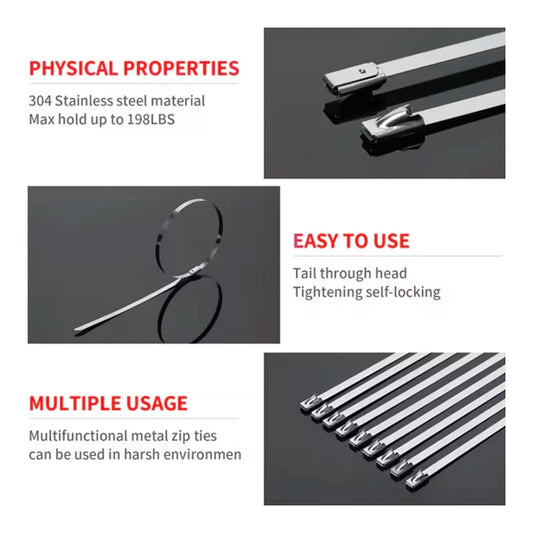
First, select a tie with the appropriate length and width for your application. Thread the end of the tie through the self-locking head and wrap it around the object. Pull it snug by hand to secure the initial position. It is vital to ensure the tie is positioned perpendicular to the bundle to prevent twisting during the final tightening phase. This initial alignment determines the final neatness of the installation.
Step 2: Engage the Tool and Apply Tension
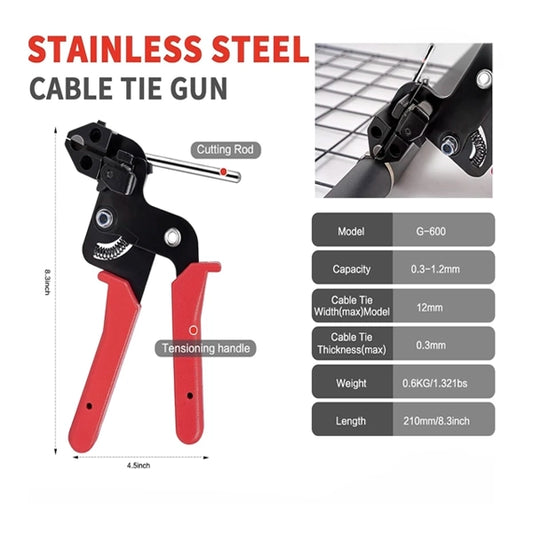
Insert the excess tail of the tie into the front of the tensioning tool. Squeeze the handle repeatedly to tighten. You can adjust the tension control knob to achieve the desired tightness, ensuring a secure hold without damaging the bundled items. For delicate wiring, a lower setting is recommended, while heavy exhaust heat wraps require a higher tension setting to prevent movement under extreme thermal expansion.
Step 3: Automatically Cut for a Clean Finish
Once the pre-set tension is reached, the tool automatic cut-off mechanism will activate, cleanly severing the excess tie flush with the head. This leaves a smooth, professional finish with no dangerous sharp edges. The precision blade inside the GALIXO tool is designed to strike the metal at a specific angle, ensuring that the remaining stub is tucked safely within the housing of the tie head. This mechanical precision cannot be replicated with manual hand tools.
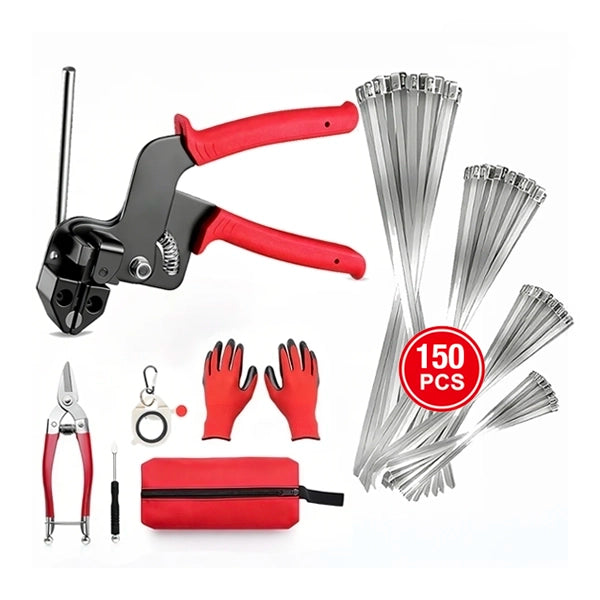
GALIXO Stainless Steel Zip Tie Tool Kit
This all-in-one kit features a professional-grade tensioning gun and 150 heavy-duty 304 stainless steel ties. Perfect for any task requiring a strong, durable, and clean fastening solution. Our team at Galixo store is ready to help you choose the right package for your needs.
Advanced Techniques: Professional Methods for Preventing Sharp Edges on Metal Ties
Experienced technicians understand that the material of the tie and the specific environment play a massive role in the success of the installation. For instance, the behavior of 304 stainless steel under tension differs from other alloys. To ensure a smooth finish every time, professionals often utilize micro-adjustments to the tool based on the material thickness and the total diameter of the bundle being secured.
Choosing Between 304 and 316 Stainless Steel
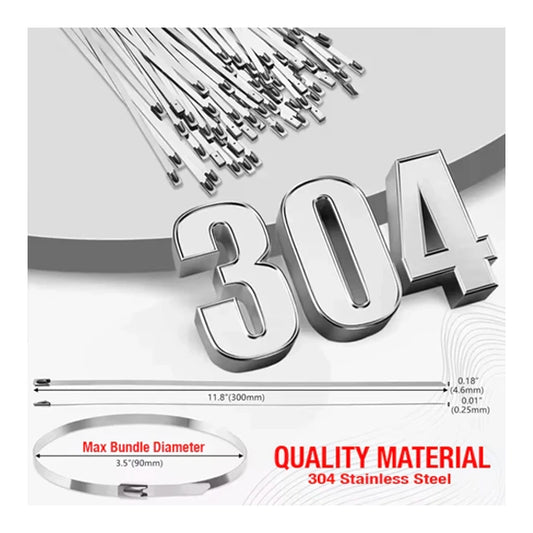
The 304 stainless steel ties included in the GALIXO kit offer excellent corrosion resistance for most applications, including automotive and indoor industrial use. For marine environments or exposure to harsh chemicals, consider upgrading to 316 stainless steel for superior saltwater protection. Both materials require a clean cut to prevent the edges from becoming rust-initiation points where the protective chromium oxide layer might be compromised by a jagged tear.
Automotive Applications: Securing Exhaust Wrap and Wiring Looms
In the garage, this tool is essential for securing exhaust heat wrap, which withstands extreme temperatures. It is also perfect for neatly bundling wiring looms in the engine bay, ensuring a secure and tidy setup. When working on exhaust systems, the vibration is constant; therefore, a flush cut is mandatory. Any remaining sharp tail can eventually saw through neighboring components as the vehicle operates, leading to mechanical failures that are difficult to diagnose.
Kit Pricing and Technical Performance Data
Investing in a quality tool ensures 100 percent of your fastenings are secure and saves significant time over the duration of a project. A standard setup should include ties made from high-grade steel to ensure they do not become brittle over time. The following data table provides a comprehensive overview of the solutions available at Galixo.store for various project scales and professional requirements.
| Product Package | Application Scope | Standard Materials | Tensile Rating (lbs) |
|---|---|---|---|
| Pro Kit (1 Gun) | Home DIY, Repairs | 304 Stainless Steel | 200 lbs |
| Dual Workshop Pack | Semi-Professional Use | 304 Stainless Steel | 200 lbs |
| Industrial Team Pack | Construction Crews | 304 Stainless Steel | 200 lbs |
| Marine Grade Ties | Saltwater Environments | 316 Stainless Steel | 250 lbs |
| High-Temp Ties | Exhaust Systems | Specialized Alloy | Up to 1000F |
| Coated Metal Ties | Sensitive Surfaces | Polyester Coating | 150 lbs |
| Narrow Precision Ties | Electronics Panels | Grade 304 | 100 lbs |
| Refill Bundle | Maintenance Tasks | Assorted Sizes | Variable |
Troubleshooting Common Issues with Preventing Sharp Edges on Metal Ties
Even with professional tools, users may encounter minor hurdles during the installation process. These issues are often related to the interaction between the tool's gripping mechanism and the stainless steel surface. Understanding these nuances allows you to maintain a high standard of safety and efficiency throughout your project. If you experience inconsistencies, consider the following expert solutions.
- Why is the tool not cutting the tie after tightening? This usually indicates the tension setting is below the threshold required to trigger the blade. Increase the tension using the rear knob or ensure you are fully compressing the handle to its maximum travel point. Check for any metal debris obstructing the blade path.
- The zip tie keeps slipping from the tool's gripper? Ensure you have fed at least three inches of the tail into the tool. The internal cam requires enough surface area to create friction. If slipping persists, wipe the tie tail with a clean cloth to remove any manufacturing oils or lubricants that may be present on the steel.
- The cut is not flush and leaves a sharp edge? This occurs when the tool is held at an angle relative to the tie head. Ensure the nose of the tensioning gun is pressed firmly and squarely against the locking head before the final squeeze. A worn blade can also cause this; however, GALIXO tools are rated for thousands of cycles before maintenance is required.
- The tie head deforms during tensioning? You may be applying too much force for the specific tie size. Check the width of the tie against the tool specifications. Using an industrial-strength setting on a narrow, light-duty tie can cause the locking mechanism to fail.
Which GALIXO Stainless Zip Tie Tool Kit is Right for You? Expert Advice from Galixo.store
Selecting the appropriate kit is essential for maximizing both safety and value. For those starting out with home DIY projects, the Pro Kit, which includes one gun and 150 ties, is an excellent choice. It provides everything necessary to tackle fence repairs, garden projects, or general household fixes with professional-grade hardware. This entry-level solution ensures you are not over-complicating small tasks while still benefiting from flush-cut safety features.
For hobbyists and semi-pros who manage multiple projects, the 2 Kits Pack is a popular choice. It offers a significant discount and ensures you always have a backup tool available for large-scale cable management. For professional garages, construction crews, or industrial workshops, the 3 Kits Pack is the most economical solution. This package ensures every team member is properly equipped to handle heavy-duty fastening without sharing tools, which increases on-site productivity and safety standards.
Need Help Choosing the Right Fastening Solution? Galixo.store is Ready to Assist 24/7
In just 5 minutes, our expert team can provide a free consultation to find the perfect tool kit for your project.
Quick FAQs on Stainless Steel Cable Ties
To help you better understand the technical capabilities of these fasteners, our experts have compiled answers to the most frequent queries regarding metal zip ties and their safe application. These insights are based on industrial standards and practical field testing.
- What is the maximum temperature for stainless steel zip ties? Standard 304 stainless steel zip ties, like those from GALIXO STORE, can typically withstand continuous operating temperatures up to 1000 degrees Fahrenheit and intermittent exposure to temperatures as high as 1600 degrees Fahrenheit, making them ideal for high-heat applications like exhaust systems.
- How do you remove a stainless steel zip tie? Due to their high tensile strength and self-locking mechanism, these ties cannot be unfastened. They must be cut off using heavy-duty diagonal cutters or a small cutting wheel. Always wear safety glasses during removal to protect against flying metal fragments.
- What does a 200 lbs tensile strength mean? This rating indicates that the tie can withstand up to 200 pounds of pulling force before the locking mechanism or the steel band itself fails. This makes them suitable for securing heavy industrial components and high-pressure hoses.
- Can this tool be used with plastic zip ties? No, the GALIXO tool is specifically engineered for the hardness and thickness of stainless steel. Using it on plastic ties may lead to inconsistent cuts and can eventually damage the tensioning mechanism designed for metal.
- Are 304 stainless steel ties magnetic? Grade 304 stainless steel is generally non-magnetic in its raw state. However, the cold-working process used to form the ties can induce a very slight magnetic property. For most industrial and automotive purposes, they are effectively non-magnetic.
Complete Any Project with Confidence and Professionalism from Galixo.store
At Galixo.store, we deliver a high-quality stainless steel zip tie tool kit that saves you time and ensures professional results. We are committed to durable, easy-to-use products and excellent customer support. Upgrade your toolkit and tackle any job with confidence. Call our support hotline now at +1 813-408-1627 or order directly from our website to get your discount and free shipping!
Disclaimer: The instructions and prices in this article are for reference at the time of publishing and are subject to change. Please contact Galixo.store directly for the most current information. Always follow safety best practices when working with tools. The procedures described are based on our specific products and may differ for other brands or models. Contact Galixo.store for precise support for your tool.