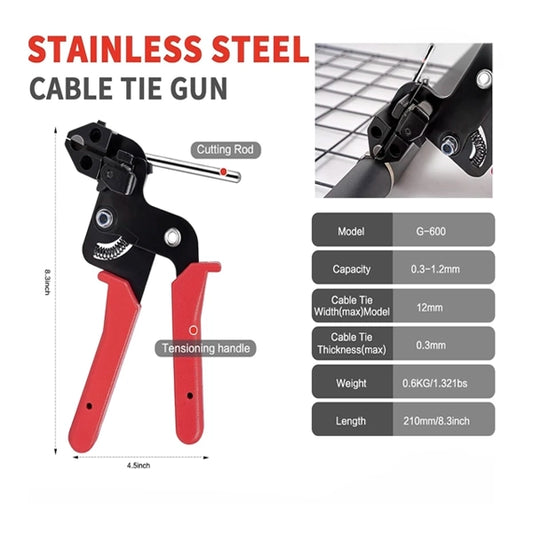
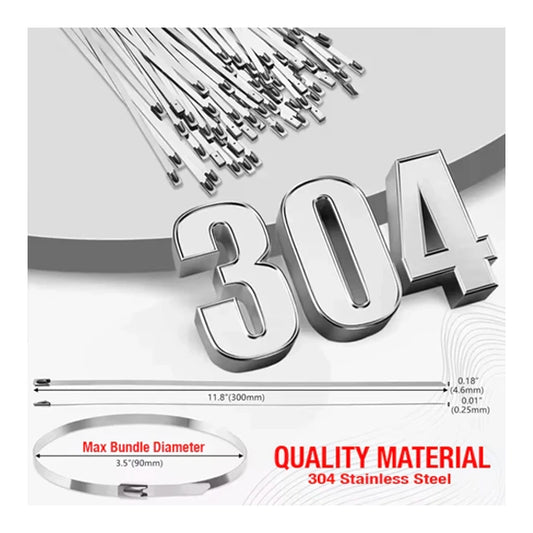
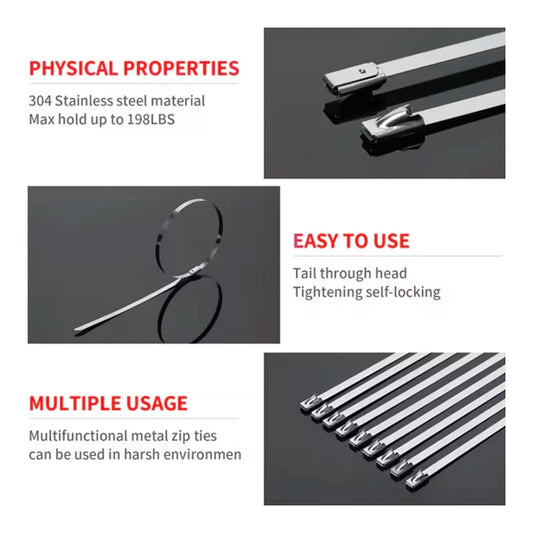
Pneumatic vs Manual Cable Tie Guns: Choosing the Right Tool
Pneumatic vs manual cable tie gun selection is a critical decision for professionals seeking efficiency and precision in fastening tasks. This in-depth guide on choosing the right tool will help you determine the most effective solution for your specific project requirements while ensuring durability. By exploring the mechanical differences and application benefits at galixo.store, users gain the necessary expertise to optimize their workflow, reduce physical fatigue, and achieve professional results in various industrial environments.
Need Help Choosing the Right Fastening Solution? Galixo.store is Ready to Assist 24/7
In just 5 minutes, our expert team can provide a free consultation to find the perfect tool kit for your project.
Why Proper Pneumatic vs Manual Cable Tie Gun Selection is Crucial? A Direct Impact on Durability and Safety
Using a stainless steel zip tie gun correctly ensures every fastening achieves optimal tension, delivering a professional, safe finish and extending the project lifespan, instead of facing loose ties, dangerous sharp edges, or material damage. In industrial and automotive applications, the choice between air-powered and hand-operated mechanisms directly affects production speed and user health. Pneumatic systems offer high-speed repetition for factory lines, while manual tools provide the portability and precision control necessary for field repairs, electrical wiring, and custom DIY automotive projects. Failing to select the appropriate mechanism can lead to over-tensioning, which compromises the integrity of the 304 stainless steel ties, or under-tensioning, which results in structural failure under high vibration or thermal stress.
Professional-grade manual tools from Galixo.store are engineered to provide consistent 200 lbs tensile strength without the need for external air compressors. This makes them a versatile choice for remote locations where electricity or compressed air is unavailable. Understanding the technical threshold of each tool type allows operators to minimize repetitive strain injuries while maintaining a high standard of safety. A secure fastening is not just about aesthetics; it is about ensuring that high-heat components like exhaust headers or heavy industrial cable bundles remain confined under all operating conditions. High-quality fasteners and tools prevent the unravelling of critical insulation, which could otherwise lead to engine damage or electrical fires.
- Operational Efficiency: Selecting the tool that matches the volume of work prevents unnecessary delays.
- Tension Accuracy: Precise control prevents damaging bundled materials such as delicate wiring or thermal wraps.
- Long-Term Reliability: Proper tools ensure the self-locking mechanism of the 304 steel tie engages fully.
- Safety Management: Eliminating sharp tail remnants protects technicians and prevents snagging other components.
- Cost Optimization: Avoiding expensive pneumatic setups for small to medium projects increases overall project profitability.
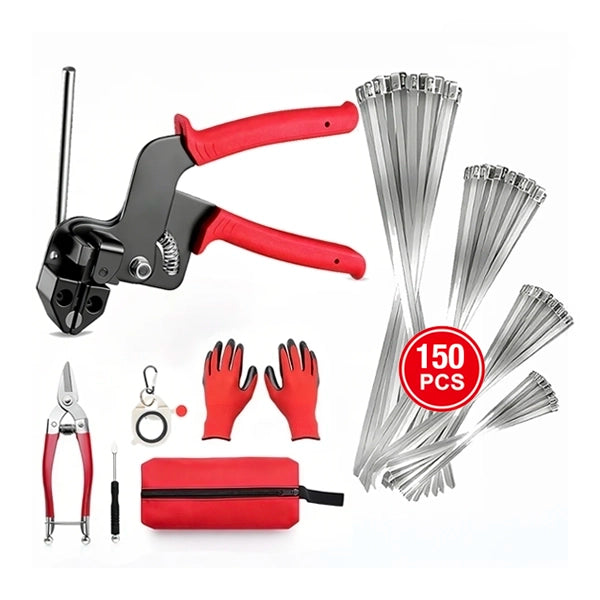
GALIXO Stainless Steel Zip Tie Tool Kit
This all-in-one kit features a professional-grade tensioning gun and 150 heavy-duty 304 stainless steel ties. Perfect for any task requiring a strong, durable, and clean fastening solution. Our team at Galixo store is ready to help you choose the right package for your needs.
A Detailed 3-Step Guide to Using Cable Tie Guns for Beginners
To properly tension a stainless steel tie, set the tool adjustment knob to a low setting for delicate wiring and a higher setting for securing heavy-duty components like exhaust pipes. Mastering the operation of a cable tie gun, whether pneumatic or manual, requires a systematic approach to ensure safety and mechanical effectiveness. Beginners often make the mistake of over-relying on hand strength, which can lead to uneven tension or incomplete locking. By following these three steps, you can achieve professional-grade results that withstand extreme environments. The process begins with manual positioning and ends with a precise mechanical cut, ensuring that every fastener performs as intended by the 304 stainless steel specifications.

Step 1: Prepare and Thread the Stainless Steel Tie
First, select a tie with the appropriate length and width for your application. Thread the end of the tie through the self-locking head and wrap it around the object. Pull it snug by hand to secure the initial position. It is essential to ensure that the internal ball-bearing mechanism of the tie head is properly aligned before engaging the tool. For pneumatic models, ensure the air pressure is set to the manufacturer recommended PSI. For manual models from Galixo.store, check that the tensioning teeth are free from debris to guarantee a firm grip on the steel strap.
Step 2: Engage the Tool and Apply Tension
Insert the excess tail of the tie into the front of the tensioning tool. Squeeze the handle repeatedly to tighten the manual gun or depress the trigger for pneumatic versions. You can adjust the tension control knob to achieve the desired tightness, ensuring a secure hold without damaging the bundled items. Professionals suggest using a lower tension setting for thermal wraps to avoid crushing the insulation fibers. For structural steel bundles, a higher setting ensures the 200 lbs tensile strength is fully utilized to prevent movement during vibration or high-speed operation.
Step 3: Automatically Cut for a Clean Finish
Once the pre-set tension is reached, the tool automatic cut-off mechanism will activate, cleanly severing the excess tie flush with the head. This leaves a smooth, professional finish with no dangerous sharp edges. In manual tools, this often occurs on the final full squeeze of the handle. In pneumatic tools, the integrated blade triggers instantly when resistance meets the pre-programmed limit. This flush-cut feature is critical for safety in automotive engine bays and marine applications where protruding metal tails could cause injury or damage nearby soft components like rubber hoses and electrical insulation.
Advanced Techniques: Professional Methods for Cable Tie Installation
Based on our team experience at Galixo.store, for optimal results, we recommend a tension setting of at least level three for heavy-duty applications. Professional technicians often utilize advanced methods to enhance the longevity of stainless steel fastenings in extreme environments. This involves understanding the thermal expansion of materials and the chemical interactions between different steel grades. For example, when securing exhaust wraps, it is beneficial to leave a slight margin for metal expansion as the engine reaches operating temperature. Additionally, combining high-grade 304 or 316 stainless steel ties with specialized tensioning tools allows for a uniform application that manual pliers simply cannot replicate.
Choosing Between 304 and 316 Stainless Steel
The 304 stainless steel ties included in the GALIXO kit offer excellent corrosion resistance for most applications including automotive and general DIY. For marine environments or exposure to harsh chemicals, consider upgrading to 316 stainless steel for superior saltwater protection. 316 grade contains molybdenum, which provides significantly better resistance to pitting and crevice corrosion. Professional installers always match the steel grade to the environment to prevent premature fastening failure. Understanding these material properties ensures that your projects remain secure for decades regardless of atmospheric conditions or chemical exposure.
Automotive Applications: Securing Exhaust Wrap and Wiring Looms
In the garage, this tool is essential for securing exhaust heat wrap, which withstands extreme temperatures. It is also perfect for neatly bundling wiring looms in the engine bay, ensuring a secure and tidy setup. Automotive technicians prefer manual tools for these tasks due to the limited space around headers and chassis components. A pneumatic gun would be too bulky for tight engine quarters. Using a manual tensioner allows the user to feel the resistance, providing tactile feedback that ensures the 200 lbs tensile strength is applied effectively without over-tightening on sensitive electrical shielding.
Pneumatic vs Manual Cable Tie Gun: Technical Comparison

| Feature | Manual Tie Gun | Pneumatic Tie Gun | Operational Benefit |
|---|---|---|---|
| Power Source | Hand Power | Compressed Air | Portability vs Speed |
| Weight | Lightweight | Heavy (with hose) | Reduced User Fatigue |
| Volume Capacity | Low to Medium | High Volume | Industrial Scalability |
| Tension Control | Manual Knob | Pre-set Air Logic | Precision vs Consistency |
| Cost Entry | Affordable ($) | Expensive ($$$) | ROI for Small Teams |
| Maintenance | Minimal | High (Oil/Filters) | Long-term Tool Life |
| Access Space | Excellent | Limited | Tight Engine Quarters |
| Safety Rating | High (Flush Cut) | High (Auto Cut) | Injuries Prevention |
Troubleshooting Common Issues with Cable Tie Tools
Even professional tools require periodic maintenance and proper handling to ensure they continue to deliver high-quality results. Understanding the mechanical operation of your zip tie gun allows you to quickly identify and resolve common issues that may arise during a busy workday. Most technical difficulties are related to user error or environmental factors like dust and corrosion rather than mechanical failure of the tool itself. By following a standard troubleshooting protocol, you can extend the life of your equipment and avoid project delays. Here are the most frequent challenges encountered by technicians and DIY enthusiasts alike, along with expert solutions from our technical department.
- • Why isn't the tool cutting the tie after tightening? → Solution: You may not have reached the set tension level, or the tension knob is set too low. Try increasing the tension setting or squeezing the handle a few more times. Also, check the cutting blade for wear or debris.
- • The zip tie keeps slipping from the tool's gripper? → Solution: Ensure you are inserting enough of the tie's tail into the tool (at least 2-3 inches). The gripping mechanism needs sufficient material to hold onto during the tensioning process.
- • The cut is not flush and leaves a sharp edge? → Solution: This can indicate a worn-out cutting blade. While the GALIXO tool is built for thousands of cuts, if you encounter this issue, please contact our support for assistance.
- • The handle feels stiff or difficult to squeeze? → Solution: Apply a small amount of machine oil to the pivot points and internal springs. Regularly cleaning the tool head after use in dusty environments prevents friction buildup.
- • Pneumatic tool fails to trigger? → Solution: Check the air hose connection and ensure the compressor is delivering the correct PSI. Inspect the air filter for moisture or oil blockages that could impede the firing logic.
Need Help Choosing the Right Fastening Solution? Galixo.store is Ready to Assist 24/7
In just 5 minutes, our expert team can provide a free consultation to find the perfect tool kit for your project.
Which GALIXO Stainless Zip Tie Tool Kit is Right for You? Expert Advice
Choosing the right product package is essential for maximizing your return on investment and ensuring you have the necessary supplies for your project scale. For starting out with home DIY projects, the Pro Kit, with one gun and 150 ties, is a suitable choice. It provides everything you need to tackle fence repairs, garden projects, or general household fixes without the complexity of air-powered systems. This kit is designed for durability and ease of use, making professional results accessible to everyone regardless of their technical background. By investing in a high-quality manual gun, you avoid the high maintenance costs associated with pneumatic alternatives while still achieving 200 lbs tensile strength on every fastening.
For more demanding environments or frequent use, we offer scaled solutions to meet your needs. If you are a frequent user or want a backup, the 2 Kits Pack is a popular choice, offering a 20% discount and making a great gift for a fellow DIY enthusiast. For professional garages, construction crews, or workshops, the 3 Kits Pack is the most economical solution, providing a 30% discount and ensuring every team member is properly equipped. Every kit from Galixo.store includes our 90-Day Guarantee and Free Worldwide Shipping. Order today to elevate your work and experience the difference that professional-grade tools make in your daily tasks. Our support team is always available to help you select the ideal configuration for your specific workshop requirements.
GALIXO Stainless Steel Zip Tie Tool Kit
This all-in-one kit features a professional-grade tensioning gun and 150 heavy-duty 304 stainless steel ties. Perfect for any task requiring a strong, durable, and clean fastening solution. Our team at Galixo.store is ready to help you choose the right package for your needs.
Quick FAQs on Stainless Steel Cable Ties
Standard 304 stainless steel zip ties, like those from GALIXO STORE, can typically withstand continuous operating temperatures up to 1000 degrees Fahrenheit and intermittent exposure to temperatures as high as 1600 degrees Fahrenheit. This makes them an ideal solution for high-heat environments where plastic alternatives would fail instantly. Due to their high tensile strength and self-locking mechanism, stainless steel zip ties cannot be unfastened manually once the ball bearing has engaged. They must be removed using heavy-duty diagonal cutters, snips, or a cutting wheel while wearing safety glasses. A 200 lbs tensile strength means the tie can withstand up to 200 pounds of pulling force before structural failure occurs, providing a heavy-duty capacity for industrial bundles.
- • What is the maximum temperature for stainless steel zip ties? → These ties are rated for 1000 degrees Fahrenheit continuous use, which is necessary for securing exhaust wraps and engine bay wiring in high-performance vehicles.
- • How do you remove a stainless steel zip tie? → These are permanent fasteners. Removal requires mechanical cutting with high-quality snips. Never attempt to pry the head open as this can cause injury.
- • What does a 200 lbs tensile strength mean? → It is a measurement of the force required to break the tie. This level is standard for heavy industrial components and ensuring structural stability under load.
- • Can this tool be used with plastic zip ties? → No, the GALIXO tool is engineered specifically for the thickness and hardness of steel. Using it on plastic could cause the tool to jam or the tie to snap prematurely.
- • Are 304 stainless steel ties magnetic? → While 304 steel is generally non-magnetic in its raw state, the cold-working process during manufacturing can induce slight magnetism. For most applications, it is considered non-magnetic.
Complete Any Project with Confidence and Professionalism from Galixo.store
At Galixo.store, we deliver a high-quality stainless steel zip tie tool kit that saves you time and ensures professional results. We are committed to durable, easy-to-use products and excellent customer support. Upgrade your toolkit and tackle any job with confidence. Call our support hotline now at +1 813-408-1627 or order directly from our website to get your discount and free shipping! To get this professional-grade tool kit for your workshop, order yours today or chat with us on WhatsApp for an instant response.
Note: The guidance and prices in this article are for reference at the time of publishing and are subject to change. Please contact Galixo.store directly for the most current information. Always follow safety best practices when working with tools. Disclaimer: The instructions in this article are based on practical experience with GALIXO STORE products. Always follow safety best practices when working with tools. Please contact contact@galixo.store for detailed support regarding your specific application.