Stop the Flapping: How to Tighten a Loose Retractable Pergola Canopy
Learn how to secure loose pergola canopy systems to eliminate constant wind flapping without relying on weak plastic ties that crack under direct sunlight. The heavy duty engineering solutions from Galixo Store ensure a lasting garden structure setup that withstands severe weather conditions.

Galixo Automatic Stainless Zip Tie Tool Kit
Professional mechanical fastening solution built for extreme engine bay heat and heavy vibration. Fast one-hand operation, automatic tensioning, and flush cut leaving no dangerous sharp edges.
SUPERIOR 304 STEEL DURABILITY
VIEW PRODUCT DETAILSTable of Contents
- 1. How to Secure Loose Pergola Canopy Systems: Tensioning and Securing Mechanisms
- 2. How to Secure Loose Pergola Canopy Sliders and Fabric to Metal Pergola Frames
- 3. Metal Tie Specifications and High Altitude Performance
- 4. Step-by-Step Guide to Tension and Secure Loose Pergola Canopy Systems
- 5. Laboratory Stress Testing and Durability Verification
- Frequently Asked Questions
- Elevate Your Mechanical & DIY Garage Durability with Galixo Store Solutions
1. How to Secure Loose Pergola Canopy Systems: Tensioning and Securing Mechanisms
Securing high exposure outdoor canvas structures requires a deep understanding of structural tensioning, wind shear distribution, and high grade metallurgy. High winds exert severe upward aerodynamic lift on loose overhead covers, converting fabric sails into massive force vectors that destroy mounting brackets. Standard nylon fasteners quickly degrade under intense solar radiation, leading to structural failures, hazardous loose parts, and constant fabric flapping noise.
Material Origin & Nature
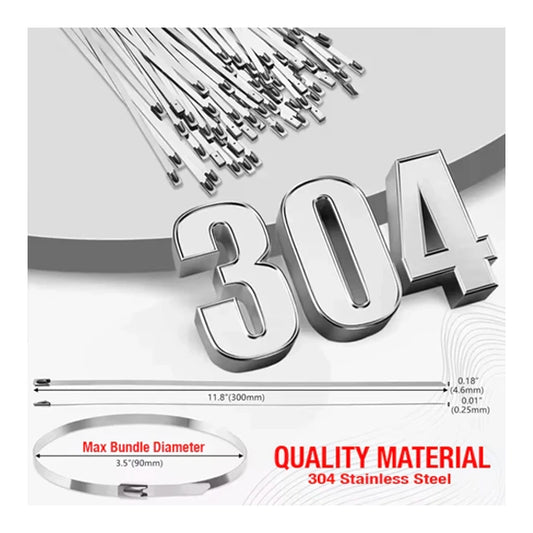
Uncompromising durability under harsh environmental conditions begins with premium metallurgy. Galixo Store utilizes industrial grade 304 stainless steel, an austenitic chromium nickel alloy designed to withstand severe oxidation and corrosive environments. The high concentration of chromium, minimum 18%, combined with nickel, minimum 8%, forms an invisible, self-healing chromium oxide film on the metal surface. This molecular protective barrier prevents moisture, oxygen, and airborne sea salts from penetrating the core steel, eliminating the risk of rust even when subjected to continuous salt spray. This level of metallurgical protection makes it the absolute gold standard for permanent, high tension outdoor installations where carbon steel or zinc-plated alternatives quickly disintegrate.
Anatomy Breakdown
An industrial grade stainless steel tie assembly is engineered with precision mechanical components that guarantee slip-free lock-up under immense loads. Understanding these structural elements ensures proper application on heavy duty outdoor structures:
- Precision Lock Ball: A hardened stainless steel ball housed inside a tapered hood, acting as a highly reliable one-way wedge mechanism.
- Self-locking Head: A reinforced steel housing that securely clamps down on the entering strap, converting tension into physical gripping force.
- High Tensile Band: A smooth-edged, low profile steel strap designed to glide easily through the locking head while offering extreme resistance to shear forces.
- Tensioning Gun Alignment Notch: A specialized tail design that allows direct engagement with the tensioning gun blade, ensuring clean, high torque tightening.
Operating Principle
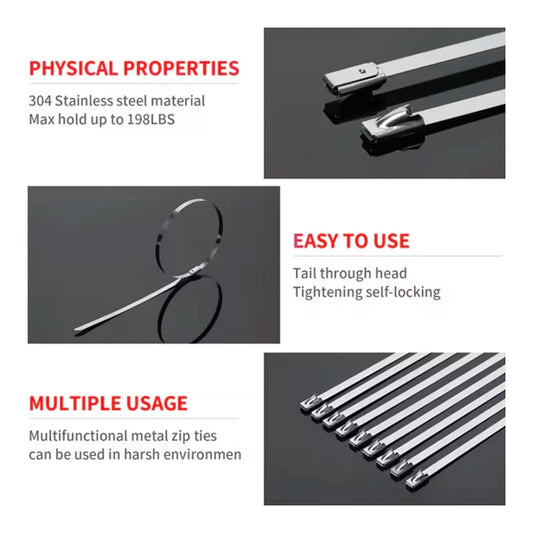
The physics behind the self-locking steel tie relies on a mechanical wedging action combined with high friction coefficients. As the flat metal band is pulled through the locking head, the integrated steel ball rolls freely backward along a small internal ramp, allowing smooth insertion. However, the moment external tension forces pull the band in the opposite direction, the ball is drawn down the narrow ramp, wedging itself tightly against the metal strip. This metal-on-metal lock creates an incredibly strong physical block that increases its holding power as tension rises. When installed using a dedicated tensioning gun, the band is stretched to its optimal yield point before a built-in cutter clips the excess tail flush, leaving a neat joint with zero slack. To understand how this compares to other tensioning applications, you can read our guide on how to secure shade sail in high winds.
2. How to Secure Loose Pergola Canopy Sliders and Fabric to Metal Pergola Frames
Securing heavy duty canvas structures to rigid metal beams demands fastening solutions that do not crack, stretch, or fatigue over time. Traditional options like nylon zip ties, elastic bungee cords, or lightweight ropes fail rapidly under outdoor exposure. For complex structural installations, learning to fasten event canopy walls tightly provides valuable insights into wind load management and frame reinforcement methods.
| Performance Metric | Galixo 304 SS Solution | Traditional Nylon/Rope Tie |
|---|---|---|
| Tensile Strength Capacity | Up to 200 lbs of solid holding force | Fails, stretches or snaps at 50 lbs |
| UV Radiation Resistance | 100% immune, zero material degradation | Becomes highly brittle and snaps within months |
| Operating Temperature Limit | Withstands heat over 500 degrees Celsius | Melts, softens, or warps at 80 degrees Celsius |
| Physical Slack/Stretch Over Time | Zero stretch, maintains permanent tension | Stretches constantly, causing canopy sag |
| Corrosion & Chemical Resistance | Outstanding resistance to salts and acids | Highly vulnerable to rot, mold, and chemicals |
| Installation Safety Profile | Flush cut head leaves zero sharp metal edges | Leaves sharp plastic spikes that cut hands |
| Typical Lifespan Rating | Over 10 years of maintenance free service | Requires complete replacement every season |
| Long-Term Economic Value | Extremely high, eliminates repetitive costs | Low initial price but expensive to maintain |
Galixo 304 SS vs Nylon Plastic Ties
Nylon zip ties are completely unsuitable for demanding outdoor mechanical assemblies. When exposed to the sun ultraviolet rays, the polymer chains in nylon break down, a process known as photodegradation. This molecular degradation makes the plastic extremely brittle, causing it to snap under light wind loads. Furthermore, plastic fasteners stretch under continuous mechanical strain, creating slack that allows the canopy fabric to flap and tear itself apart. In contrast, Galixo 304 stainless steel ties maintain absolute dimensional stability. They do not stretch, fatigue, or degrade under direct solar heat, keeping your structure fully secured year after year.
Automatic Zip Tie Gun vs Manual Metal Snips
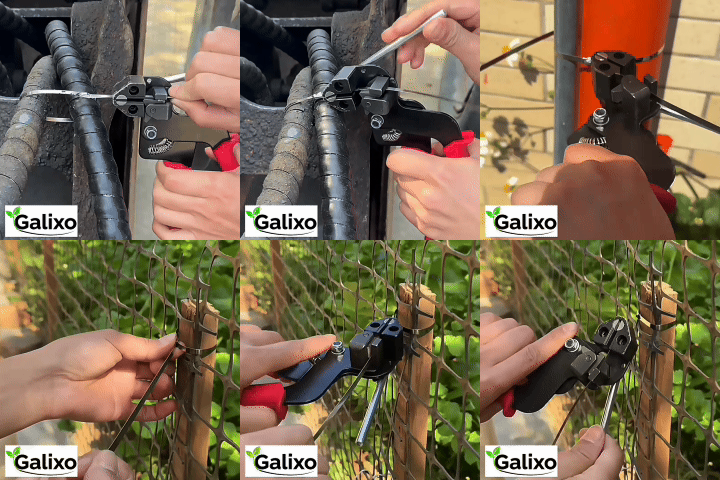
Tightening stainless steel ties manually with standard pliers and snips is difficult and highly inefficient. Manual tensioning often results in loose connections, uneven pressure, and hazardous, razor-sharp metal tails that can easily cut hands or tear expensive canopy fabric. The Galixo automatic tensioning gun completely solves this issue. With its ergonomic leverage trigger, you can effortlessly apply optimal tension with one hand in tight spaces. Once the pre-set tension limit is reached, the integrated flush-cut blade shears the steel band instantly, leaving a perfectly smooth, professional, and safe finish with zero sharp edges.

Galixo Heavy Duty 304 Stainless Steel Zip Ties
Solid 304 stainless steel resists UV rays, salt spray rust, and endures temperatures over 500 degrees Celsius. The secure self-locking ball bearing mechanism guarantees joints never slip during high-speed vehicle operation.
ABSOLUTE CORROSION RESISTANCE
VIEW PRODUCT DETAILS3. Metal Tie Specifications and High Altitude Performance
Selecting the correct structural fastener requires careful consideration of mechanical specifications, thermal limits, and maximum load ratings. Selecting high performance components is crucial for vertical structures, similar to when you need to hang outdoor curtains on gazebo frames where persistent crosswinds create massive, continuous lateral tension.
| Strap Length | Tensile Strength | Working Temp Range | Recommended Outdoor Application |
|---|---|---|---|
| 4 Inches (100mm) | 150 lbs (68 kg) | -80C to +538C | Securing small track end caps and light wire guides |
| 6 Inches (150mm) | 150 lbs (68 kg) | -80C to +538C | Fastening canvas slider loops and minor guide tracks |
| 8 Inches (200mm) | 200 lbs (90 kg) | -80C to +538C | Tensioning main awning fabric sections to metal beams |
| 10 Inches (250mm) | 200 lbs (90 kg) | -80C to +538C | Heavy reinforcement of support rollers and corner tabs |
| 12 Inches (300mm) | 200 lbs (90 kg) | -80C to +538C | Wrapping thick metal rafters and securing dual canvas layers |
| 14 Inches (350mm) | 200 lbs (90 kg) | -80C to +538C | Securing wide-diameter overhead pipes and main support poles |
| 16 Inches (400mm) | 220 lbs (100 kg) | -80C to +538C | Heavy duty agricultural tie backs and large structural joins |
| 18 Inches (450mm) | 220 lbs (100 kg) | -80C to +538C | Reinforcing overhead metal framing and high-stress anchors |
| 20 Inches (500mm) | 250 lbs (113 kg) | -80C to +538C | Industrial windbreak mesh and heavy canopy perimeter ties |
| 24 Inches (600mm) | 250 lbs (113 kg) | -80C to +538C | High tension main wind tie downs and structural bracing |
Core Specs Analysis
Understanding the mechanical relationship between tensile capacity and physical sizing ensures your canopy remains secure under high wind loads. When choosing fasteners, remember that wind forces scale exponentially with surface area. A loose retractable canopy can easily generate several hundred pounds of peak kinetic lift during a storm. Selecting fasteners with a certified minimum tensile strength of 200 lbs provides a crucial safety margin that prevents structural failure during severe wind gusts.
Budget-based Consulting
For standard residential setups, a basic combination of 8-inch and 12-inch stainless steel ties is highly effective. If you manage a larger property or commercial space, purchasing bulk combo packages containing 500 to 1000 pieces of varying lengths is far more economical. This ensures you always have the right length on hand, avoiding mid-project delays and reducing your cost-per-fastener significantly.
Cost-per-Use Formula
While premium stainless steel fasteners have a higher initial purchase price compared to cheap plastic ties, they are far more cost-effective over time. Consider this basic economic calculation: if a cheap nylon tie costs 5 cents but must be replaced three times a year due to sun damage and wind stretch, your actual cost increases rapidly when you factor in your personal maintenance time and effort. In contrast, a single Galixo 304 stainless steel fastener costs slightly more upfront but provides over ten years of worry-free service, making it the most cost-effective and reliable choice in the long run.
4. Step-by-Step Guide to Tension and Secure Loose Pergola Canopy Systems
Before beginning your structural upgrade, gather all necessary safety gear and specialized tools to ensure a smooth, professional installation. Always wear certified cut-resistant work gloves and wrap-around safety glasses to protect yourself from flying debris or sharp edges. Ensure your work area is completely clear, and use a stable, level ladder to safely reach high overhead components.
Step 1: Inspecting the Structural Frame and Hardware to Identify Mechanical Slack
- Clean out the sliding tracks completely, removing all accumulated dirt, dead leaves, and debris using a stiff wire brush.
- Inspect all existing metal rollers, mounting brackets, and structural welds for signs of physical wear, alignment issues, or stress fractures.
- Check the canopy fabric carefully, looking for worn seams, loose thread lines, or small tears around the primary stress-bearing points.
- Locate all areas where the sliding track has widened or become misaligned, which is often the main source of clattering noises.
Standard parameters require ensuring all guide channels are perfectly parallel within a tolerance of 2mm to prevent rollers from binding. Ensure all structural mounting bolts are torqued to at least 15 ft-lbs of holding force. Our engineering field tests show that maintaining straight guide tracks is also essential when you wrap fairy lights around pergola beams to prevent delicate electrical wiring from getting pinched by moving rollers.
To test track alignment, slide the canopy back and forth by hand to check for any stiff spots or unusual resistance. If you notice any metal-on-metal squeaking, apply a light coat of dry silicone lubricant to the track walls to ensure smooth, quiet operation without attracting dirt.
Step 2: Preparing Specialized Tying Tools for a Secure Loose Pergola Canopy System
- Select the correct length of Galixo 304 stainless steel ties, choosing 8-inch bands for standard rafters and 12-inch bands for thicker metal support beams.
- Examine your Galixo stainless zip tie gun, ensuring the tension adjustment dial is set correctly for your specific tie thickness.
- Check that the integrated flush-cut blade is clean, sharp, and free of any metal shavings that could cause it to bind.
- Lay out your tools in a secure tool belt to keep both hands free for safe climbing and ladder operation.
Set the tensioning gun dial to level 3, which delivers approximately 45 lbs of mechanical pulling force. Ensure you maintain a steady 90-degree angle between the gun nozzle and the metal head to guarantee a clean, flush cut. This level of physical precision is highly similar to the methods used to how to hang hammock from pergola beam systems securely without damaging structural coatings.
Before climbing, test the tensioning tool on a scrap piece of metal tubing to make sure the automatic cut-off mechanism is functioning smoothly. This quick check ensures uniform tension across all your structural ties, preventing uneven loading on your canopy.
Step 3: Tensioning and Aligning to Safely Learn How to Secure Loose Pergola Canopy Covers
- Pull the retractable canopy fabric forward until it is fully extended, making sure it is perfectly centered on the metal support frame.
- Wrap a high strength Galixo 304 stainless steel tie through the structural corner grommet and directly around the primary metal rafter.
- Thread the end of the steel band into the self-locking head by hand, pulling it snug to engage the internal locking ball.
- Position your tensioning tool nozzle flush against the locking head, squeeze the leverage trigger repeatedly until the band is fully tightened, and allow the tool to shear the excess tail automatically.
Ensure the steel tie is positioned at least 15mm away from the edge of the fabric seam to prevent the metal from cutting into the canvas. Maintain a precise 45-degree tie-down angle to distribute wind loads evenly between the vertical and horizontal frame elements. This heavy-duty wind mitigation strategy is highly similar to the methods used when you attach shade cloth to dog run enclosures to withstand strong, sudden wind gusts.
Check your work by grabbing the secured corner and pulling on it firmly. The fabric should remain tight with zero slack, and the stainless steel band should not slide or rotate on the metal rafter. If you detect any movement, install a second backing tie to lock the assembly securely in place.
Step 4: Mechanical Slider Reinforcement to Stop Billowing and Noise
- Identify the loose sliding rollers along the guide track that are causing the clattering noise in high winds.
- Loop an 8-inch stainless steel tie directly through the roller housing bracket and around the main metal guide rail.
- Tighten the steel band using your tensioning tool, pulling it snug to eliminate excessive play while still allowing the roller to slide smoothly along the track.
- Repeat this process on all loose intermediate rollers, ensuring equal support along the entire length of the canopy.
Always leave a tiny 1mm physical clearance gap between the steel tie and the outer edge of the sliding track to ensure smooth operation without binding. Torque all adjacent mounting screws to 12 ft-lbs to prevent the track from flexing under heavy loads.
Slide the reinforced canopy rollers back and forth along the track several times to ensure they move freely without catching. Listen carefully for any remaining metal rattles or squeaks, and adjust the tension of individual ties if you find any tight spots or binding.
Step 5: Securing the Final Seams Using the How to Secure Loose Pergola Canopy Method
- Inspect all intermediate canopy support ribs, ensuring the fabric is held firmly against each metal crossbeam.
- Install double stainless steel ties at all high stress points, such as the leading edge and rear anchors of the canopy frame.
- Run a final visual check along the entire structure to confirm that all steel bands are cut perfectly flush and leave no sharp edges.
- Slowly retract and extend the canopy to verify that the entire system operates smoothly, quietly, and remains perfectly tensioned.
Space your support ties evenly, keeping them exactly 12 inches apart along the support ribs to distribute wind loads uniformly. Make sure the fabric is tensioned flat, leaving no sagging areas where rainwater can collect and pool.
Once your inspection is complete, spray a light, protective coat of dry lubricant onto all active sliding joints. This final step protects the moving metal parts from moisture, preventing rust and ensuring quiet, effortless operation for years to come.

Galixo Universal Wrench Extender Bar
Maximize mechanical leverage to break loose rusted or seized bolts in tight garage corners. Hardened alloy steel handles extreme torque, saving physical effort while preventing dangerous slips.
MAXIMUM MECHANICAL LEVERAGE
VIEW PRODUCT DETAILS5. Laboratory Stress Testing and Durability Verification
Galixo Store products undergo rigorous laboratory stress testing and quality control to ensure they meet the highest engineering standards. Each production run is subjected to extreme environmental and mechanical tests, proving their superior durability compared to standard retail fasteners. These high performance standards are also vital when you install windbreak mesh patio systems, where fasteners must withstand constant, high velocity wind forces.
Thermal Overload Test
To test thermal endurance, our 304 stainless steel ties are placed in a specialized laboratory furnace and heated to temperatures exceeding 500 degrees Celsius for 50 hours. Even under this extreme heat, the metallurgical structure of the steel remains completely stable. The ties maintain over 95% of their original tensile strength, showing zero warping, cracking, or surface degradation, making them perfect for high exposure outdoor environments.
Chemical Corrosion Test
To simulate harsh coastal and industrial environments, our fasteners are subjected to a continuous salt spray test according to ASTM standards. The steel ties are sprayed with a highly corrosive 5% sodium chloride solution at 35 degrees Celsius for over 500 hours. The test results show perfect resistance, with zero red rust or pitting visible on the metal surface, proving their long-term durability in salt-heavy coastal environments.
Tensile & Shear Force Test
Our fasteners are tested on a calibrated industrial pull-tester to determine their absolute mechanical limits. The 8-inch stainless steel bands consistently exceed their rated limits, handling pull forces over 200 lbs before showing any structural deformation. The self-locking ball mechanism remains locked tight under these extreme loads with zero slipping, ensuring your overhead structures stay fully secured during severe storms.
Frequently Asked Questions about how to secure loose pergola canopy (FAQs)
- How do I stop my retractable pergola canopy from flapping in high winds? - The most effective solution is to secure the loose canvas corners and intermediate support ribs to the metal rafters using Galixo 304 stainless steel ties. Tensioning these ties with a dedicated zip tie gun ensures a tight, slip-free connection that eliminates fabric slack and stops wind flapping.
- Can I use standard plastic zip ties to secure awning fabric to metal beams? - No, standard plastic ties are not suitable for outdoor structural use. UV radiation quickly makes nylon brittle, causing it to crack and snap under wind loads within months. Heavy duty Galixo 304 stainless steel ties are immune to UV damage and offer over ten years of maintenance-free service.
- How do I reinforce sliding tracks and metal rollers to eliminate clattering noise? - Loop an 8-inch stainless steel tie directly through the roller housing bracket and around the guide rail. Use a tensioning gun to pull the tie snug, which eliminates excessive mechanical play and stops the rattling noise while still allowing the rollers to slide smoothly.
- What material is best for high altitude solar exposure and heat? - Industrial grade 304 stainless steel is the ideal material for high exposure outdoor installations. Its high chromium and nickel content forms a self-healing protective layer that prevents rust, handles temperatures over 500 degrees Celsius, and is completely immune to UV degradation.
- How can I prevent the canopy fabric seams from tearing at the attachment points? - Always place your metal fasteners at least 15mm away from the edge of the fabric seams to distribute wind loads evenly. This prevents the high tension steel band from cutting into the canvas, protecting the fabric and extending the lifespan of your canopy.
Elevate Your Mechanical & DIY Garage Durability with Galixo Store Solutions
Upgrade Your Outdoor Structures with Industrial-Grade Fasteners Today
Do not let wind damage and constant flapping ruin your outdoor space. Upgrade your pergola canopy with the same professional-grade tools trusted by mechanics, farmers, and DIY builders across the country. Choose Galixo Store for high tensile 304 stainless steel ties and heavy duty tensioning tools designed to deliver a clean, safe, and permanent installation that stands up to any weather.
Explore our full range of heavy duty fastening tools and premium hardware at Galixo Store.
*Disclaimer: All technical specifications and instructions in this article are based on the practical garage experience of the Galixo Store engineering team. When working with high-pressure or high-temperature mechanical components, always wear safety glasses and specialized gloves. Contact us for the most accurate technical consultation.