How to Cut Stainless Steel Zip Ties Safely Without Sharp Edges
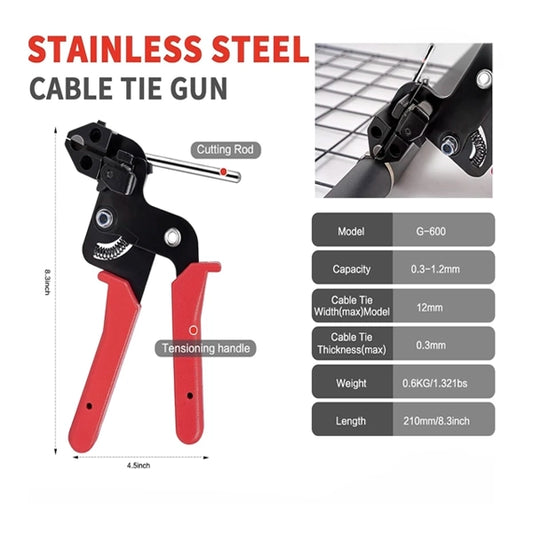
How to cut stainless steel zip ties safely without leaving sharp edges requires a specialized tool to ensure a flush finish that protects both the user and the project. This in-depth guide on metal fastening from galixo.store will help you master the tensioning process and understand technical specifications like tensile strength and corrosion resistance. By following these expert steps, you can achieve professional, permanent results across various industrial or household applications.
GALIXO Stainless Steel Zip Tie Tool Kit
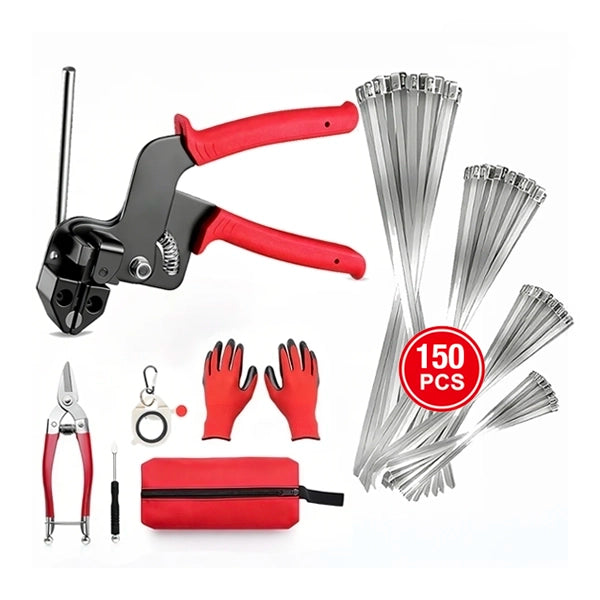
This all-in-one kit features a professional-grade tensioning gun and 150 heavy-duty 304 stainless steel ties. Perfect for any task requiring a strong, durable, and clean fastening solution. Our team at Galixo store is ready to help you choose the right package for your needs.
Why Proper Cutting is Crucial? A Direct Impact on Durability and Safety
Understanding why the cutting phase of a stainless steel zip tie installation is so vital can prevent common injuries and mechanical failures. Unlike nylon ties, metal ties are made of 304 or 316 grade steel, which possesses high hardness. When cut with improper tools like standard pliers or wire snips, the remaining tail often has jagged, razor-sharp burrs. These burrs can easily slice through skin during maintenance, damage nearby electrical insulation, or compromise the structural integrity of automotive components like exhaust wraps. Using a professional tool ensures the cut is flush with the locking head, eliminating the risk of sharp protrusions entirely.
Professional-grade tools also allow for consistent tensioning, which is critical for projects exposed to high vibration or extreme temperatures. A loose tie can lead to rattling and eventual fatigue of the metal, while an over-tightened tie may damage the bundled materials. By utilizing a high-quality kit from Galixo.store, you ensure that every fastening meets the required tensile strength specifications without creating a hazardous work environment.

Using a stainless steel zip tie gun correctly ensures every fastening achieves optimal tension, delivering a professional, safe finish and extending the project lifespan, instead of facing loose ties, dangerous sharp edges, or material damage.
- • Elimination of razor-sharp edges that cause severe lacerations.
- • Protection of sensitive wiring and hoses from metal burr damage.
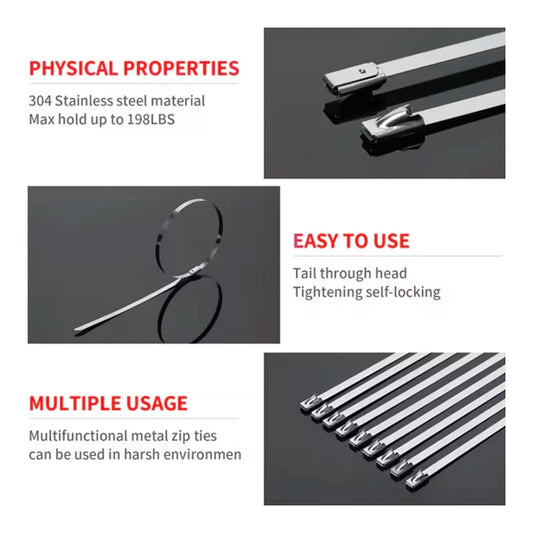
- • Achievement of maximum 200 lbs tensile strength for heavy-duty security.
- • Professional aesthetic finish suitable for visible engine bays or home decor.
Need Help Choosing the Right Fastening Solution? Galixo.store is Ready to Assist 24/7
In just 5 minutes, our expert team can provide a free consultation to find the perfect tool kit for your project.
A Detailed 3-Step Guide to Cutting Stainless Zip Ties for Beginners
Mastering the use of a stainless steel zip tie tool is the only reliable way to ensure a clean cut. The process combines manual preparation with mechanical precision, allowing even those new to DIY to achieve industrial-grade results. At Galixo.store, we have refined this process into three distinct phases that prioritize safety and efficiency. To properly tension a stainless steel tie, set the tool adjustment knob to a low setting for delicate wiring and a higher setting for securing heavy-duty components like exhaust pipes.

Step 1: Prepare and Thread the Stainless Steel Tie
First, select a tie with the appropriate length and width for your application, ensuring it is rated for the environment (e.g., 304 steel for standard use). Thread the end of the tie through the self-locking head and wrap it around the object. Pull it snug by hand to secure the initial position. It is important to leave at least 2 inches of the tail exposed so the tool gripper has enough material to grab effectively. This initial manual pull ensures the tie is correctly aligned before mechanical force is applied.
Step 2: Engage the Tool and Apply Tension
Insert the excess tail of the tie into the front slot of the tensioning tool. Hold the tool firmly and squeeze the handle repeatedly to tighten the tie around the bundle. You can adjust the tension control knob located at the base of the handle to achieve the desired tightness. This mechanical advantage allows you to reach a 200 lbs tensile strength without straining your hands. The tool will continue to tighten until the internal spring mechanism reaches the resistance level you have set.
Step 3: Automatically Cut for a Clean Finish
Once the pre-set tension is reached, the tool automatic cut-off mechanism will activate. With one final firm squeeze, the internal blade will cleanly sever the excess tie flush with the head. This leaves a smooth finish with no dangerous sharp edges. Because the blade is integrated into the tool head, it creates a perfectly flat surface that is impossible to replicate with manual cutters. Always inspect the finish with your finger to ensure the cut is completely flush and safe for handling.
Advanced Techniques: Professional Methods for Metal Fastening
Professional technicians often face unique challenges that require more than just basic knowledge. Whether you are working in a marine environment or performing high-heat automotive repairs, choosing the right material and technique is essential for long-term reliability. Based on our team experience at Galixo.store, we recommend understanding the subtle differences in metallurgy and application-specific tensioning to avoid common pitfalls in complex projects.
Choosing Between 304 and 316 Stainless Steel
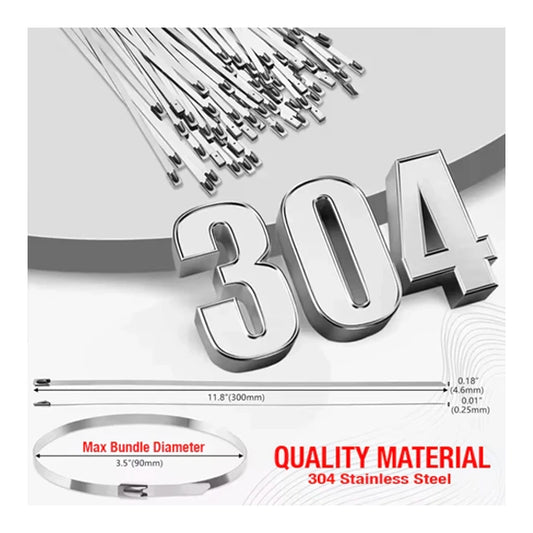
The 304 stainless steel ties included in the GALIXO kit offer excellent corrosion resistance for most indoor and outdoor applications, including automotive and fencing. However, for marine environments or exposure to harsh industrial chemicals, you should consider upgrading to 316 stainless steel. Grade 316 contains molybdenum, which provides superior protection against saltwater pitting. Understanding this distinction ensures your fasteners do not rust through prematurely when used on boats or coastal infrastructure.
Automotive Applications: Securing Exhaust Wrap and Wiring
In the garage, this tool is essential for securing exhaust heat wrap, which must withstand extreme temperatures without loosening. An advanced tip from professional mechanics is to use a high-tension setting (level 4) to ensure the wrap does not shift during thermal expansion. For wiring looms in the engine bay, a lower tension setting is preferred to avoid crushing the protective sleeving while still providing a secure, tidy setup that resists engine vibration.
Troubleshooting Common Issues with Metal Zip Tie Tools
Even with high-quality equipment, users may occasionally encounter operational difficulties. Solving these issues quickly is a hallmark of an expert technician. Most problems arise from incorrect tool settings or improper feeding of the tie. If the tool is not cutting correctly, ensure the tension knob is adjusted to match the thickness of the steel tie being used. A setting that is too low may tighten the tie but fail to trigger the cutting blade mechanism.
- • Why is the tool not cutting the tie after tightening? – You may not have reached the set tension level. Increase the tension setting by turning the knob clockwise and squeeze the handle again. Also, ensure the tie tail is fully seated in the tool channel.
- • The zip tie keeps slipping from the tool gripper? – This usually happens when the tail is too short. Ensure at least 2 to 3 inches of the tie tail are inserted into the tool. Check the gripper teeth for any metal debris that might be reducing friction.
- • The cut is not flush and leaves a small protrusion? – This indicates the tool is being held at an angle. For a perfect flush cut, keep the tool perpendicular to the locking head of the zip tie throughout the tensioning and cutting cycle.
- • The tie feels loose after the tool cuts it? – This occurs if the tie was not pulled snug by hand first or if the tension setting was too low for the bundle size. Always perform a manual snug-fit before engaging the tool.
Kit Pricing and Technical Comparison Table
Selecting the right kit for your project scale is a key part of the planning process. At Galixo.store, we offer various packages tailored to hobbyists, professional contractors, and workshop teams. Each kit is designed to provide maximum value while ensuring you have enough supplies to complete your project without interruption. Standard 304 stainless steel ties included in these kits offer a balance of high tensile strength and rust resistance for versatile use.
| Product Package | Application Scope | Standard Materials | Reference Price (USD) |
|---|---|---|---|
| Pro Kit (1 Kit) | Home DIY, Small Projects | 1 Tensioning Gun, 150 Stainless Ties | $89.00 |
| Most Popular (2 Kits) | Hobbyists, Small Workshops | 2 Tensioning Guns, 300 Stainless Ties | $142.40 (20% OFF) |
| Best for Teams (3 Kits) | Professional Crews, Garages | 3 Tensioning Guns, 450 Stainless Ties | $186.90 (30% OFF) |
| 100-Pc Refill Pack | For existing tool owners | 100x 304 Stainless Steel Ties | Contact for Pricing |
| Worldwide Shipping | Global customers | Standard Delivery | Free |
| Satisfaction Warranty | All tool purchases | Manufacturer defect cover | 90 Days |
| Expert Consultation | Pre and post-purchase | Via WhatsApp or Call | Free |
| Instructional Support | Ongoing technical help | Digital Guides | Lifetime Access |
GALIXO Stainless Steel Zip Tie Tool Kit
This all-in-one kit features a professional-grade tensioning gun and 150 heavy-duty 304 stainless steel ties. Perfect for any task requiring a strong, durable, and clean fastening solution. Our team at Galixo.store is ready to help you choose the right package for your needs.
Which GALIXO Stainless Zip Tie Tool Kit is Right for You? Expert Advice
Choosing the correct package depends on the frequency of your projects and the environments you work in. For individuals starting out with home DIY tasks, such as repairing a wire fence or securing garden structures, the Pro Kit is an ideal entry point. It contains one professional-grade tensioning gun and 150 stainless ties, which is more than enough for several household fixes. This kit provides the fundamental tools needed to eliminate sharp edges and ensure all ties are fastened with uniform tension.
For more frequent users or those working on larger automotive projects, the 2 Kits Pack is the most popular selection. It allows you to have a backup tool or gift one to a fellow enthusiast while saving 20% on the total cost. If you operate a professional garage or construction crew, the 3 Kits Pack offers the most economical solution with a 30% discount. Every kit from Galixo.store includes our 90-Day Guarantee and Free Worldwide Shipping, ensuring you can order today and elevate your work quality with total peace of mind.
Quick FAQs on Stainless Steel Cable Ties
-
What is the maximum temperature for stainless steel zip ties?
Standard 304 stainless steel ties can withstand continuous operating temperatures up to 1000°F (538°C). This makes them highly effective for high-heat environments where plastic ties would melt instantly. -
How do you remove a stainless steel zip tie?
Because of their self-locking mechanism and 200 lbs tensile strength, they cannot be unfastened. They must be cut off using a heavy-duty cutting wheel or specialized diagonal snips. Always wear safety goggles during removal. -
What does a 200 lbs tensile strength mean?
This indicates the amount of pulling force the tie can withstand before breaking. A 200 lbs rating is considered heavy-duty, suitable for securing large bundles of cable, heavy pipes, or automotive exhaust components. -
Can this tool be used with plastic zip ties?
No, the GALIXO tool is specifically engineered for the hardness of metal. Using it on plastic ties may result in an improper cut or damage the internal blade mechanism of the tensioning gun. -
Are 304 stainless steel ties magnetic?
Grade 304 is typically non-magnetic in its raw state, but the manufacturing process of cold working it into a zip tie can induce slight magnetism. For most practical DIY and industrial applications, it is considered non-magnetic.
Need Help Choosing the Right Fastening Solution? Galixo.store is Ready to Assist 24/7
In just 5 minutes, our expert team can provide a free consultation to find the perfect tool kit for your project.
Complete Any Project with Confidence and Professionalism from Galixo.store
At Galixo.store, we deliver a high-quality stainless steel zip tie tool kit that saves you time and ensures professional results. We are committed to durable, easy-to-use products and excellent customer support through our 24/7 hotline. Upgrade your toolkit and tackle any job with confidence knowing your fastenings are permanent and safe. Call our support hotline now at +1 813-408-1627 or order directly from our website to get your discount and free shipping!
Disclaimer: The instructions and prices in this article are for reference at the time of publishing and are subject to change. Please contact Galixo.store directly for the most current information. Always follow safety best practices when working with tools. The procedures described are based on practical experience with GALIXO STORE products and may differ for other brands. Please contact contact@galixo.store for detailed support regarding your specific application.