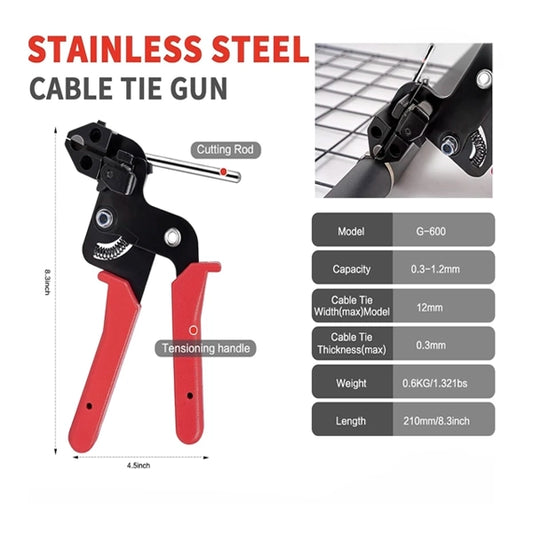
How Does a Cable Tie Gun Work? Mechanics and Use Cases
How does a cable tie gun work involves a complex mechanical sequence designed to apply precise tension before executing a clean shear on metal straps. This in-depth guide on tool mechanics from the specialists at galixo.store will help you understand the internal engineering of tensioning implements and the specific physics behind self-locking fasteners. Master the application of high-strength ties to ensure every industrial or home project achieves professional-grade durability and safety.
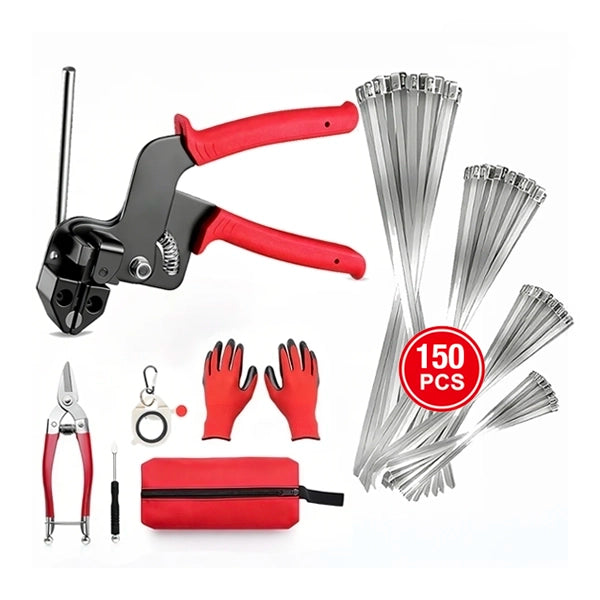
GALIXO Stainless Steel Zip Tie Tool Kit
This all-in-one kit features a professional-grade tensioning gun and 150 heavy-duty 304 stainless steel ties. Perfect for any task requiring a strong, durable, and clean fastening solution. Our team at Galixo store is ready to help you choose the right package for your needs.
Why Proper Mechanics are Crucial? A Direct Impact on Durability and Safety
Understanding the internal function of a tensioning gun is vital for achieving consistent results in mechanical engineering and automotive repair. Standard manual tightening often fails to provide the 200 lbs tensile strength required for heavy-duty applications. When a tie is secured by hand, the locking ball inside the head may not engage fully, leading to slippage under high vibration or thermal expansion. A specialized tool utilizes a ratcheting mechanism to pull the metal strap with uniform force, ensuring that the self-locking head bites into the material permanently. This mechanical advantage prevents loose connections that could result in equipment damage or safety hazards in industrial settings. Professional technicians rely on these mechanics to maintain the integrity of exhaust wraps and electrical conduits.
Using a stainless steel zip tie gun correctly ensures every fastening achieves optimal tension, delivering a professional, safe finish and extending the project lifespan, instead of facing loose ties, dangerous sharp edges, or material damage.

- • Consistent Tensioning: The tool applies a calibrated pull force to every strap regardless of manual grip strength.
- • Integrated Shear: An internal blade executes a flush cut to eliminate razor-sharp metal burrs.
- • Mechanical Leverage: The ergonomic handle reduces hand fatigue during repetitive industrial installation tasks.
- • Reliability: Fully engaged ball locks prevent fasteners from loosening during extreme temperature cycles.
Need Help Choosing the Right Fastening Solution? Galixo.store is Ready to Assist 24/7
In just 5 minutes, our expert team can provide a free consultation to find the perfect tool kit for your project.
A Detailed 3-Step Guide to Operating a Tensioning Tool for Beginners
To properly tension a stainless steel tie, set the tool adjustment knob to a low setting (e.g., level 1-2) for delicate wiring and a higher setting (e.g., 3-4) for securing heavy-duty components like exhaust pipes. Beginners must understand that the tool handle works as a lever to multiply the force applied to the metal strap. Without this mechanical advantage, reaching the required tightness for structural components is nearly impossible. The process is divided into preparation, active tensioning, and the final shear. By following these steps from Galixo.store, you can achieve results that match industrial quality standards while ensuring your hands remain safe from the sharp edges often created by manual cutting methods.

Step 1: Prepare and Thread the Stainless Steel Tie
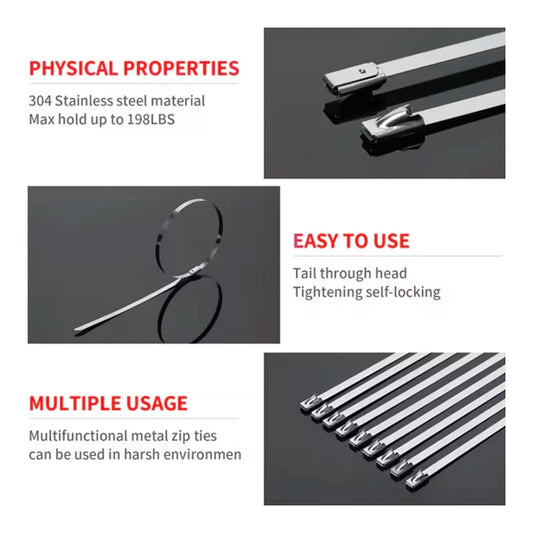
First, select a tie with the appropriate length and width for your application. Thread the end of the tie through the self-locking head and wrap it around the object. Pull it snug by hand to secure the initial position. This manual step ensures the tie is correctly aligned before the tool engages the material. Proper alignment prevents the metal from twisting, which could compromise the final tensile strength. Ensure that the tail of the tie is flat and clean, allowing the tool gripper to gain a firm hold during the tensioning phase.
Step 2: Engage the Tool and Apply Tension
Insert the excess tail of the tie into the front of the tensioning tool. Squeeze the handle repeatedly to tighten. You can adjust the tension control knob to achieve the desired tightness, ensuring a secure hold without damaging the bundled items. The internal ratcheting system pulls the strap incrementally, building force that surpasses 200 lbs of tension. As you squeeze, the internal spring mechanism measures the resistance. Once the resistance matches your setting, the tool will prepare for the cutoff. This stage is crucial for ensuring the tie conforms perfectly to the substrate without overstressing the locking ball mechanism.
Step 3: Automatically Cut for a Clean Finish
Once the pre-set tension is reached, the tool automatic cut-off mechanism will activate, cleanly severing the excess tie flush with the head. This leaves a smooth, professional finish with no dangerous sharp edges. The integrated blade within the Galixo store tool is made of hardened steel to maintain a sharp edge through thousands of cycles. A flush cut is safe for handling and prevents damage to nearby components or hoses. After the shear, the tool releases the remaining tail, and the fastening is complete. Inspect the locking head to confirm the ball has secured the strap firmly against the substrate.
Advanced Techniques: Professional Methods for Industrial Applications
Based on our team experience at Galixo.store, professionals often require specialized knowledge to tackle complex environments. For optimal results, we recommend a tension setting of at least 3 for heavy-duty applications such as marine rigging or industrial piping. Understanding the metallurgy of your fasteners is equally important. An advanced tip from professional mechanics is to periodically clean the tool gripper to prevent metal shavings from causing slippage. In marine or chemical environments, the choice of steel grade determines the longevity of the installation. Professional-grade guns are designed to handle both standard and wide straps, providing versatility for various engineering projects ranging from delicate electronics to massive structural supports.
Choosing Between 304 and 316 Stainless Steel
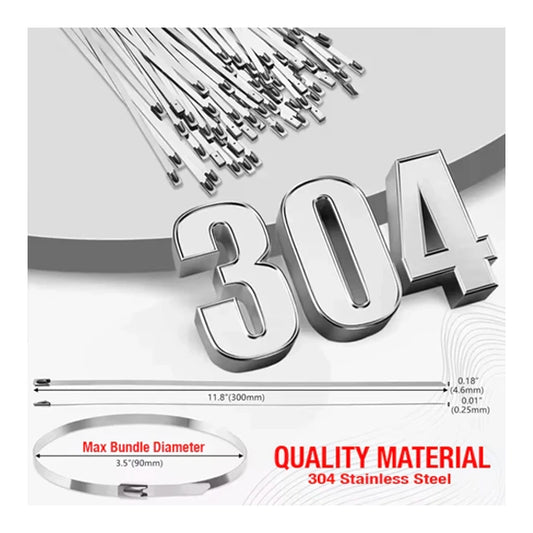
The 304 stainless steel ties included in the GALIXO kit offer excellent corrosion resistance for most applications, including automotive and household projects. However, for marine environments or exposure to harsh chemicals, consider upgrading to 316 stainless steel for superior saltwater protection. Grade 316 contains molybdenum, which prevents pitting corrosion in high-salinity zones. Using the Galixo tool with these high-grade materials ensures that your fastenings remain rust-proof for decades. Professional installers must match the tie material to the environment to avoid premature failure of the fastening system in coastal or industrial settings.
Automotive Applications: Securing Exhaust Wrap and Wiring Looms
In the garage, this tool is essential for securing exhaust heat wrap, which withstands extreme temperatures reaching 1000 degrees Fahrenheit. The high tension provided by the gun ensures the wrap does not shift during thermal expansion of the headers. It is also perfect for neatly bundling wiring looms in the engine bay, ensuring a secure and tidy setup that is resistant to oil and fuel. Using metal ties in these areas is a safety requirement because plastic ties would melt and cause electrical shorts. The professional finish achieved by the tool automatic cutoff keeps the engine bay safe for future maintenance work.
Troubleshooting Common Issues with Tensioning Mechanics
Even professional-grade tools require correct operation to maintain peak performance. Most issues with tensioning guns are related to improper setting of the tension knob or debris in the cutting channel. Troubleshooting these problems quickly is a sign of an expert technician. Periodic maintenance, such as lubricating the pivot points with light machine oil, ensures the ratcheting system remains smooth and responsive. If you encounter resistance that does not lead to a cut, check the blade alignment and the integrity of the strap material. Following these recommended practices will extend the life of your Galixo tool and ensure consistent reliability across all your technical projects.
- • Why is the tool not cutting the tie after tightening? → Solution: You may not have reached the set tension level, or the tension knob is set too low. Try increasing the tension setting or squeezing the handle a few more times. Also, check the cutting blade for wear or debris.
- • The zip tie keeps slipping from the tool gripper? → Solution: Ensure you are inserting enough of the tie tail into the tool (at least 2-3 inches). The gripping mechanism needs sufficient material to hold onto during the tensioning process. Clean the gripper teeth if buildup is present.
- • The cut is not flush and leaves a sharp edge? → Solution: This can indicate a worn-out cutting blade or an improper tool angle. While the GALIXO tool is built for thousands of cuts, ensure you are holding the tool perpendicular to the tie head during the final squeeze.
- • The tool feels jammed during the tensioning phase? → Solution: Release the handle fully and check for any twisted metal in the feed channel. Ensure the tie is standard thickness and not an oversized industrial variant.
- • The tension setting feels inconsistent? → Solution: Calibrate the tension knob by starting at the lowest setting and incrementally increasing it. Check the internal spring for any signs of fatigue if the tool is several years old.
Kit Pricing and Technical Considerations
Investing in a quality tool ensures 100 percent of your fastenings are secure and saves significant time over manual methods. At Galixo.store, we offer a range of packages designed to support various project scales from home DIY to industrial maintenance. Every kit includes our professional-grade gun and high-strength 304 stainless steel ties. Reviewing the technical data in the table below will help you select the package that fits your specific mechanical requirements. All orders are covered by our 90-day guarantee and free worldwide shipping, providing a risk-free path to professional results. Choosing the right scale of equipment prevents project delays and ensures your workshop is always prepared for demanding tasks.
| Product Package | Application Scope | Standard Materials | Reference Price (USD) |
|---|---|---|---|
| Pro Kit (1 Kit) | Home DIY, Header Wrap | 1 Tensioning Gun, 150 ties | $89.00 |
| Most Popular (2 Kits) | Hobbyists, Small Garages | 2 Tensioning Guns, 300 ties | $142.40 (20% OFF) |
| Best for Teams (3 Kits) | Professional Crews, Shops | 3 Tensioning Guns, 450 ties | $186.90 (30% OFF) |
| 100-Pc Refill Pack | Existing tool owners | 100x 304 Stainless Steel | Contact for Pricing |
| Worldwide Shipping | All international orders | Standard delivery | Free |
| Satisfaction Warranty | All tool kit purchases | Mechanical failure cover | 90 Days |
| Expert Consultation | Technical support | Live WhatsApp/Hotline | Free |
| Tensile Rating | Standard ties | 304 Stainless Alloy | 200 lbs |
Which GALIXO Stainless Zip Tie Tool Kit is Right for You? Expert Advice from Galixo.store
Selecting the appropriate tool kit is the first step toward achieving a professional-grade finish on your mechanical projects. For starting out with home DIY projects, the Pro Kit, with one gun and 150 ties, is the perfect choice. It provides everything you need to tackle fence repairs, garden projects, or general household fixes while ensuring you have a high-quality tensioning device in your arsenal. This kit is ideal for individuals who perform occasional automotive maintenance and want a durable solution for engine bay cable management. Choosing the Pro Kit guarantees that your fastenings are safe, aesthetic, and capable of withstanding industrial levels of stress. All kits from Galixo.store are built to last and deliver the mechanical precision required for modern technical work.
If you are a frequent user or want a backup for your workshop, the 2 Kits Pack is the most popular choice, offering a 20 percent discount and making a great gift for a fellow technician. For professional garages, construction crews, or industrial workshops, the 3 Kits Pack is the most economical solution, providing a 30 percent discount and ensuring every team member is properly equipped. Having multiple guns available allows for simultaneous work on large scale projects, significantly increasing productivity. Order today to elevate your work with tools that are engineered for durability, safety, and professional results. To get this professional-grade tool kit for your workshop, order yours today! Our team is ready to provide technical guidance to ensure you choose the solution that fits your specific workload.
Need Help Choosing the Right Fastening Solution? Galixo.store is Ready to Assist 24/7
In just 5 minutes, our expert team can provide a free consultation to find the perfect tool kit for your project.
Quick FAQs on Stainless Steel Cable Ties
-
What is the maximum temperature for stainless steel zip ties?
Standard 304 stainless steel zip ties from GALIXO STORE can typically withstand continuous operating temperatures up to 1000 degrees Fahrenheit (538 degrees Celsius) and intermittent exposure to temperatures as high as 1600 degrees Fahrenheit, making them ideal for high-heat applications like securing exhaust wrap. -
How do you remove a stainless steel zip tie?
Due to their high tensile strength and self-locking mechanism, stainless steel zip ties cannot be unfastened manually once locked. They must be cut off using heavy-duty diagonal cutters, industrial snips, or a specialized cutting wheel. Always wear safety glasses during removal to protect against spring-back. -
What does a 200 lbs tensile strength mean?
A 200 lbs tensile strength means the zip tie can withstand up to 200 pounds of pulling force before the material breaks or the locking mechanism fails. This specification indicates a heavy-duty capacity suitable for securing large cable bundles and industrial components in demanding environments. -
Can this tool be used with plastic zip ties?
No, the GALIXO tool is specifically designed for metal cable ties. Its tensioning and cutting mechanisms are engineered for the hardness and thickness of stainless steel. Using it with plastic ties could snap the strap prematurely and will likely damage the hardened tool blade. -
Are 304 stainless steel ties magnetic?
Grade 304 stainless steel is generally non-magnetic in its raw state. However, the mechanical manufacturing process of forming it into a zip tie can induce a slight magnetism. For most practical purposes in home and automotive projects, it is considered non-magnetic and safe for use.
Complete Any Project with Confidence and Professionalism from Galixo.store
At Galixo.store, we deliver a high-quality stainless steel zip tie tool kit that saves you time and ensures professional results. We are committed to durable, easy-to-use products and excellent customer support for all your technical fastening needs. Upgrade your toolkit and tackle any job with confidence knowing your work is secured by industrial-grade mechanics. To get this professional-grade tool kit for your workshop, order yours today! Call our support hotline now at +1 813-408-1627 or order directly from our website to get your discount and free shipping!
Note: The guidance and prices in this article are for reference at the time of publishing and are subject to change. Please contact Galixo.store directly for the most current information. Disclaimer: The instructions in this article are based on practical experience with GALIXO STORE products. Always follow safety recommended practices when working with tools. Please contact contact@galixo.store for detailed support regarding your specific application.